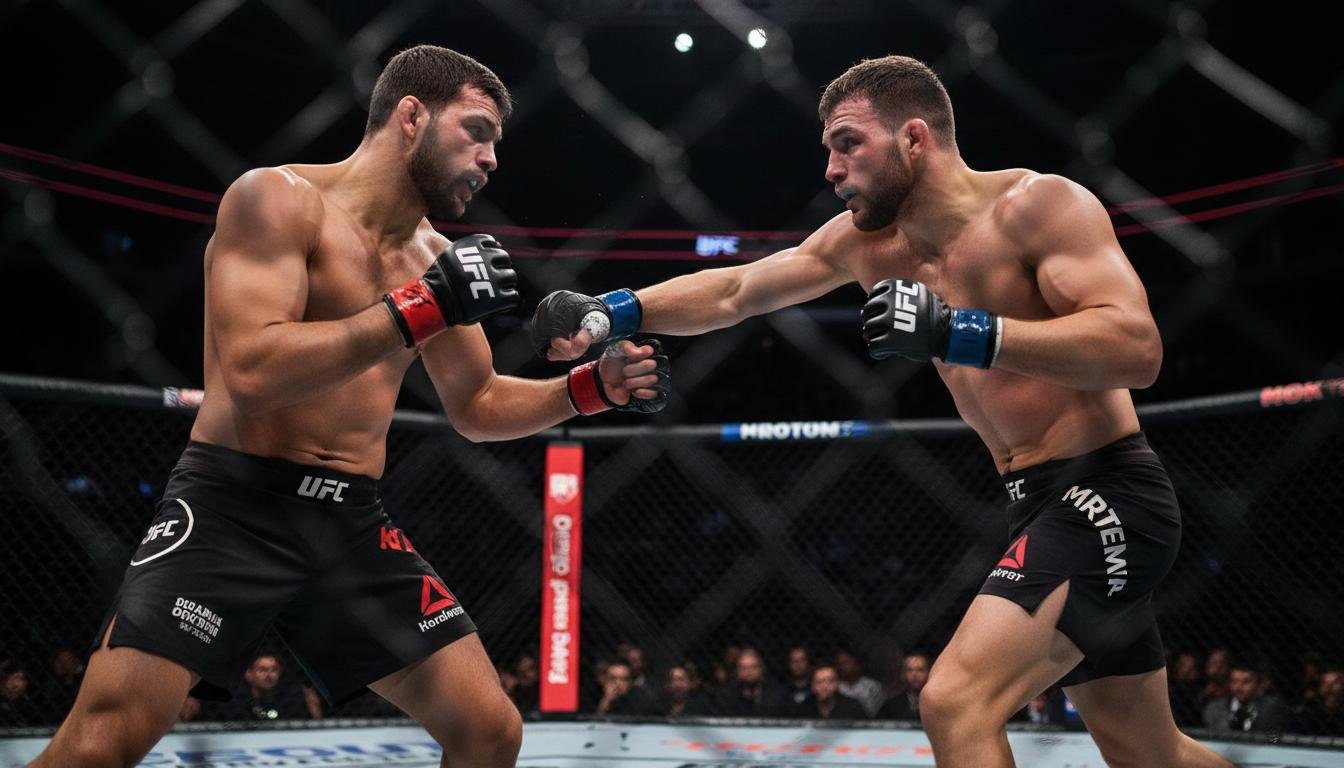
Wrestling and wagering make an odd couple at first glance: one is staged entertainment, the other a numbers game that prizes liquidity and predictability. Yet organized betting on WWE events is real, growing, and oddly challenging. This article breaks down why those markets are thin, what that means for the odds you see, and — most importantly — how to manage risk if you choose to play in a space where the usual market rules bend and sometimes break.
What makes a market “thin” and why WWE fits that profile
A thin market has low liquidity: few bets, small volumes, and wide gaps between best available prices. Most mainstream sports — soccer, basketball, tennis — attract deep pools of capital and automated market makers, meaning odds move smoothly and reflect aggregated information quickly. WWE markets seldom get that treatment.
Several structural features of WWE contribute to thinness. Outcomes are scripted and often decided internally weeks before they appear on TV, meaning there is limited incremental information for public trading. Betting interest is geographically and demographically narrow: many casual sports bettors avoid wrestling markets, so volume stays low. Bookmakers respond by offering fewer markets and smaller limits, reinforcing the low-liquidity loop.
Timing matters, too. WWE storylines are designed for TV drama, not for market efficiency. Promos, surprise returns, and last-minute “swerves” mean that odds can swing on sparse signals — sometimes from a single insider rumor. When a rumor circulates, a handful of bettors can move a line dramatically because there aren’t enough opposing bets to absorb the flow.
How thin markets change the way odds behave
In a thin market, odds are volatile and jagged. You’ll often see large moves with very small stakes involved, or no movement at all when it seems obvious a line should shift. That’s not inefficiency in the classic sense; it’s a liquidity problem. The price simply doesn’t reflect a deep consensus because the consensus rarely forms.
Vigorish and limits are another consequence. Books protect themselves from concentrated information by building in bigger margins and by capping stakes. Those higher margins translate into worse expected value for the bettor. What looks like a shallow ‘value’ bet can evaporate under maximum acceptable stake sizes or after your account gets flagged.
Finally, bookmakers exercise discretionary power more frequently in WWE markets. Because outcomes are decided by a promoter, sportsbooks reserve the right to void bets, change limits, or close markets when insider news or suspicious activity appears. That makes strategy around timing and stake size as important as predicting winners.
Common sources of informational advantage — and why they’re risky
Where thinness exists, edges sometimes appear. The most obvious edge in WWE betting comes from information: booking leaks, wrestler injuries, or last-minute creative decisions. Long-time wrestling reporters and trade publications occasionally publish napkin-level intel that moves markets.
But exploiting insider tips is morally and legally gray. Leaks can be inaccurate, and relying on them invites sudden market reversals. Moreover, sportsbooks watch for patterns. Consistently winning on insider-driven lines can quickly trigger account restrictions or voided wagers.
Practical edges that are less risky include careful interpretation of public signals: television promo intensity, social media engagement spikes, and the promotion’s commercial interests (Merch pushes, talent pushes after new sponsorship deals). These aren’t guaranteed, but they’re public and repeatable inputs for a disciplined approach.
Bankroll management: rules adapted for a thin market
Standard bankroll rules — bet a small fixed percentage of your bankroll — still apply, but the percentages need to be conservative. Thin markets can produce sudden, unrecoverable losses in both capital and opportunity (bookmakers limiting future stakes), so you must protect both.
Fractional Kelly sizing is a useful concept here. Full Kelly recommends bets proportional to perceived edge, but it presumes you can keep placing similar bets indefinitely. In WWE markets, where limits and voids are common, using a small fraction of Kelly (10–25%) helps preserve your bankroll and your accounts.
Also diversify: treat WWE bets as a satellite allocation rather than your core portfolio. Many experienced bettors allocate a tiny fraction of capital to novelty markets. That keeps volatility manageable while still allowing upside when you have a genuine edge.
Sample unit-sizing table for thin markets
| Strategy | Suggested stake per bet (as % of bankroll) | When to use |
|---|---|---|
| Conservative | 0.1%–0.25% | Routine WWE bets, uncertain information |
| Moderate (fractional Kelly) | 0.5%–1% | When you have strong, corroborated intel |
| Aggressive (rare) | 1%–2% | Very high-confidence, low-exposure opportunities |
Tactical approaches that work in WWE markets
Line shopping is perhaps the most powerful, lowest-effort tactic. With thin markets, different books may react to the same rumor in opposite ways. Maintaining accounts across multiple sportsbooks and grabbing the best available price for a small stake can materially improve long-term returns.
Target in-play and short window markets. Live betting after the first segment of a show can reveal momentum — a surprise appearance, an early injury, or a change in booking tempo — and in-play books sometimes lag in adjusting. Smaller, quicker bets here can be high-reward if you size conservatively.
Another tactic is correlated bets and hedging. If you back a wrestler to win a multi-person match and then see the market shift, a small hedge on a different outcome can lock value. Hedging with tiny stakes keeps exposure low while letting you exploit transient mispricings.
Account management and dealing with limits
One fact of life: successful small-scale wins in WWE markets often trigger limits. Sportsbooks employ algorithms and manual reviews to spot “sharp” players and will cap markets or refuse bets that threaten their liability.
To mitigate that, vary your stake sizes and timing, avoid splitting predictable patterns, and sometimes take smaller wins rather than push for maxed stakes. Opening multiple accounts is standard industry practice, but follow each sportsbook’s terms and avoid deception; you can be closed for cause.
Keep meticulous records. Document your bets, motivations, and sources. If a bookmaker questions a wager’s legitimacy, a clear history of disciplined, public-information-driven bets strengthens your case. Records also help you learn what signal types actually correlate with outcomes.
Legal, ethical, and practical cautions
Using leaked information that is proprietary to WWE employees or insiders can cross legal and ethical lines. Sporting bodies and employers take a dim view of insider leaks, and you can face civil or criminal consequences if you trade on stolen or illicitly obtained information.
WWE and other promotions sometimes work with sportsbooks for promotional markets, and that relationship can complicate odds. Keep in mind that some markets exist largely for entertainment and promotional value, not for pure wagering efficiency.
Finally, always check local regulations. Betting laws vary by jurisdiction, and thin markets often attract inexperienced bettors who might not realize the risks tied to cross-border wagering rules, tax obligations, and account bans.
Personal experience: a pragmatic cautionary tale
In my own betting history I’ve placed small WWE futures and watched lines move oddly after social-media rumors that later proved false. On one occasion a rumored return of a mid-card star briefly made them a favorite in a prop market; I placed a modest stake and later saw the market revert without the return happening. The lesson: even when price movement looks like information, it can be noise.
That experience taught me to size bets that I could afford to lose — not just financially, but in terms of continued access to markets. A single large win on thin information can cost you far more in future opportunity than the payout justifies.
Checklist for betting on WWE
- Start with a small fixed allocation of your bankroll for WWE-specific markets.
- Line-shop across multiple sportsbooks and compare maximum stakes.
- Use fractional Kelly sizing and reduce stakes when information is thin or ambiguous.
- Favor in-play and short-window opportunities where public reaction lags.
- Keep records of bets, sources, and reasoning for future analysis.
- Avoid reliance on insider tips unless they are publicly verifiable and ethically obtained.
Betting on WWE is a niche pursuit that mixes theater with finance. Thin markets mean greater price jumps on smaller flows, higher vig, and more bookmaker discretion. That environment punishes big, unhedged bets but rewards disciplined, conservative players who focus on line shopping, careful sizing, and repeatable public signals.
If you accept the limits and design strategies around them, WWE markets can be an interesting portfolio diversifier rather than a primary income source. Treat them like a volatile, low-liquidity asset: keep stakes small, bankrolls protected, and expectations realistic.
Sources and experts:
- Dave Meltzer, Wrestling Observer Newsletter
- Pinnacle betting resources and articles (trading team)
- J. L. Kelly Jr., “Kelly criterion” (original concept and applications)
- BettingPros (market guides and sportsbook behavior)
- The Action Network (account management and limits)
- American Gaming Association (legal and regulatory guidance)
Full analysis of the information was conducted by experts from sports-analytics.pro