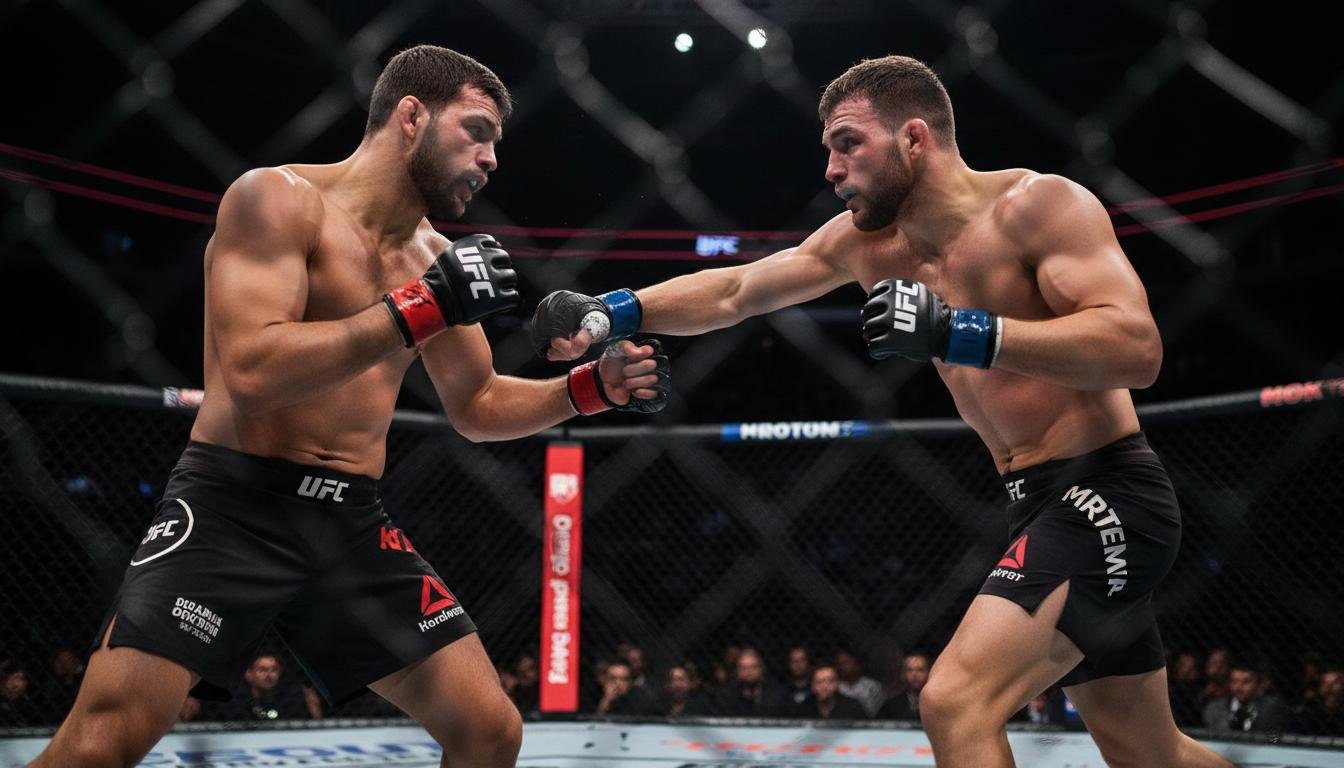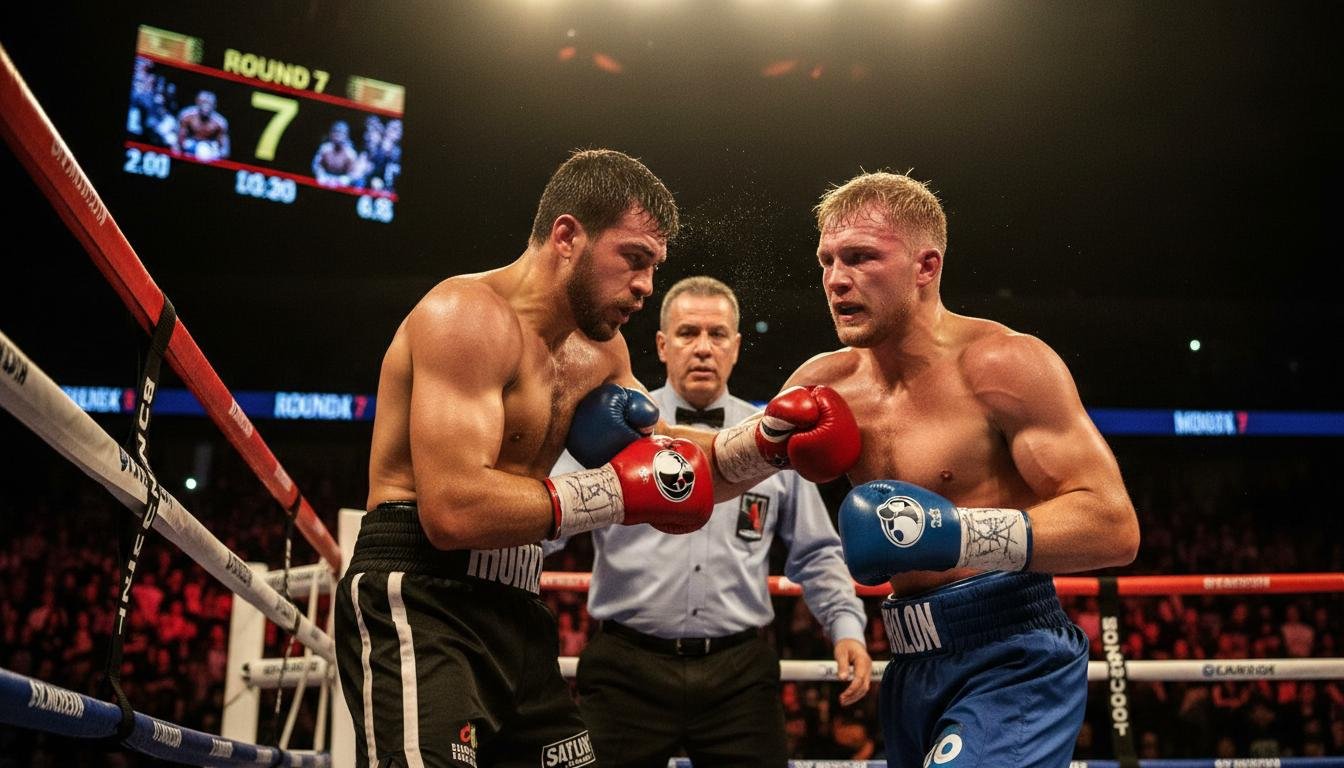
Clinchers are the problematic, stubborn figures in a fight—fighters who neutralize offense by tying an opponent up, smothering combinations, and forcing the referee to break. To the casual fan it can feel like a drag; to a sharp bettor it’s an exploitable pattern. Recognizing when a bout will be dominated by close-range grappling changes how you judge totals, round props, and live opportunities.
This article lays out practical scouting cues, the data you should track, and a step-by-step betting framework for fights likely to feature heavy clinching. I’ll draw on punch-rate studies, betting-market behavior, and real-world experience watching dozens of tapes and live markets to show how to tilt the odds in your favor without chasing noise.
What a clincher actually does to a fight
Clinching is defense masquerading as offense: wrap an opponent to stop punches, reset position, or bleed time between flurries. It reduces effective punch volume, breaks rhythm, and often forces a fight toward the scorecards because it blunts power exchanges that lead to knockouts.
Referees vary in tolerance, and that variability matters. Some refs separate aggressively and reward inside-fighting, while others allow prolonged holds. That inconsistency can swing markets because it changes how a style matchup resolves over twelve rounds versus six.
How clinchers move betting markets
Markets respond to predictability. If a fighter with a history of clinching faces an opponent who doesn’t handle the inside well, totals often drift lower and decision odds shorten. Conversely, when a cleaner, distance-striking opponent shows the ability to control range, KO lines tighten.
Pre-fight lines incorporate more than styles: recent output trends (punches per round), opponent quality, and referee history all play into the price. Live markets react faster: a few successful clinches early can send the live Over/Under for rounds or totals tumbling as traders mark down the knockout potential.
Key data points to track
Not all stats are created equal. Focus on a compact set that truly predicts clinch-heavy outcomes.
- Average punches landed per round and punches thrown per round (from CompuBox)—low output suggests longer clinches or stalling.
- Percentage of inside-range exchanges—the more a fighter wins at close quarters, the higher the chance the bout stays tactical.
- Referee separation tendencies—review recent fights to see how often a ref breaks and penalizes holding.
- Foul and point-deduction history—fighters who clinch and foul increase volatility in judges’ eyes, often pushing decisions.
- Stamina and pace across late rounds—fighters who slow dramatically are more likely to clinch to avoid exchanges.
| Indicator | Why it matters | Best bet types |
|---|---|---|
| Low punches per round | Signals stalled action | Totals (under), decision bets |
| High clinch success | Reduces KO probability | Decision, round props (later rounds) |
| Relaxed-referee history | Allows longer holds | Live under, avoid KO early |
Pre-fight scouting checklist
Good scouting starts with tape and ends with an actionable hypothesis. Watch the last three competitive fights for each boxer and take notes on the following: distance control, reaction to pressure, inside-fighting competence, and how often they use clinches to reset.
Also consider age and mileage. Older fighters with diminished foot speed use clinching to conserve energy. Young punchers often prefer to break range and let power speak. Those tendencies are predictable and should influence whether you favor totals under or the decision market.
In my own betting, I once passed on an attractive moneyline because the challenger’s last two wins were against opponents who refused to engage and instead leaned into clinches. The fight turned into a tangle and went the distance—an ugly card for viewers but a lesson in how stylistic patterns make certain market prices deceptive.
Markets and bet types that work against clinchers
There are specific markets where clinch behavior creates value. The core plays are: totals (especially unders), method-of-victory (decision-heavy), and round props (later-round landing). These benefit when a fight becomes scrappy and lacked-clean exchanges.
Moneylines can be tricky. A clincher who mixes in timely counters can still win by KO, so the moneyline is often the least efficient market unless you have a strong read on referee behavior or a clear mismatch in inside defense.
How to size those bets
Use smaller stakes on pre-fight unders when the market is uncertain and increase relative exposure in live windows when evidence accumulates. A 1–2% per-bet rule for pre-fight plays on totals is sensible; adjust up to 3–4% when you identify a mispriced live opportunity backed by confirmed tape reads.
Live betting: exploiting clinch dynamics in real time
Live betting is where clinch knowledge pays off fastest. If a fight’s first two rounds show repeated clinching and a slow pace, totals and KO odds will price in lower probability of stoppage. Traders will often overreact; that’s your opening to buy unders or decision bets at enhanced value.
Watch the referee closely. If he’s already warning fighters or deducting points for holding, the bout is unlikely to devolve into a sudden firefight; odds for a decision will shorten accordingly. Conversely, if the ref is separating constantly, expect cleaner strikes and potentially a different live market trajectory.
Timing matters. Jump on the market when broadcasters and liquidity providers overcompensate for noise—usually right after a round ends and before the bookmakers fully digest the tape. Slick execution requires fast platforms and discipline to stop once your edge is exhausted.
Bankroll and risk management for clincher-focused strategies
Any niche strategy carries variance. Clincher plays skew toward decisions, which are lower payout but more frequent. That means steady wins but longer losing streaks when fights unexpectedly explode into knockouts.
Use unit sizing and cap exposure to a small fraction of your bankroll per event. Ladder your stakes so that a sequence of misread fights doesn’t erode capital. The goal is survivability—preserve enough bankroll to capitalize when your read is validated and the market pays up.
Red flags: when to sit on your hands
A few warning signs should make you abstain: ambiguous referee history, short-notice opponent changes, and limited footage to assess clinch tendencies. Those are market environments where bookmakers’ pricing has more information advantage than you do.
Avoid piling into long-shot KOs pre-fight simply because a fighter has “power” on paper if their recent output per round has fallen. Power claims are less predictive than sustained, repeatable inside success that produces stoppages.
Common mistakes bettors make with clinchers
Overreacting to one fight sample is the most common error. A single dominant inside performance doesn’t make a fighter a master clincher. Another mistake is ignoring referee patterns; a poor tape read plus an accommodating ref is a quick way to lose.
Finally, chasing losses by doubling down on live markets when you lack a confirmed in-round pattern will usually backfire. Stick to your checklist and only increase exposure when two or more independent indicators align.
Practical step-by-step framework
Here’s a compact routine you can apply before locking a wager.
- Watch the last three fights for each fighter and note clinch frequency and success.
- Check compubox-style punch rates and compare expected output vs opponent’s defensive style.
- Review the assigned referee’s recent separation tendencies and point deductions.
- Decide which market fits the pattern: total under, decision, or live round bets.
- Size the stake conservatively and set stop-loss rules for live play.
- During the fight, verify in-round behavior for at least two rounds before increasing exposure.
- Record the outcome and update your model—over time this will refine your edge.
Real-life example and lessons learned
A regional title fight I followed had a young contender known for inside work versus an older veteran who couldn’t control distance. The market priced a moderately high total, ignoring the contender’s demonstrated tendency to smother. I bet a small pre-fight under and then increased live after the first round showed sustained clinching and a referee who separated slowly.
The fight ultimately went to decision, and the tickets paid. The win wasn’t dramatic, but it reinforced the core lesson: small, consistent advantages in pre-fight scouting and fast, disciplined live sizing compound into a reliable approach.
Putting it into practice: a quick cheat sheet
Before placing a bet, ensure these boxes are ticked: clear tape evidence of clinching, corroborating punch-rate data, a ref who tolerates holds, and stamina patterns favoring late-round grappling. If all align, prioritize totals under and decision outcomes; hedge with small live increases if early rounds confirm the read.
Keep a betting journal. Note the indicators you saw, the market you played, and why you exited. Over dozens of fights you’ll learn which cues are truly predictive and which are noise—then you’ll consistently find the small edges others overlook.
Sources and experts
- CompuBox (punch statistics) – CompuBox provides round-by-round punch data used widely by analysts.
- Pinnacle (boxing betting guides) – Practical articles on market behavior and bet selection.
- ESPN Boxing (analyses and referee/reporting) – Fight previews, referee notes, and expert commentary including pieces by Teddy Atlas and Mike Coppinger.
- The Ring (tactical and stylistic analysis) – In-depth features on fighters’ styles and historical context.
- BoxRec (fighter records and fight history) – Reliable fight records and bout histories for scouting.
Full analysis of the information was conducted by experts from sports-analytics.pro