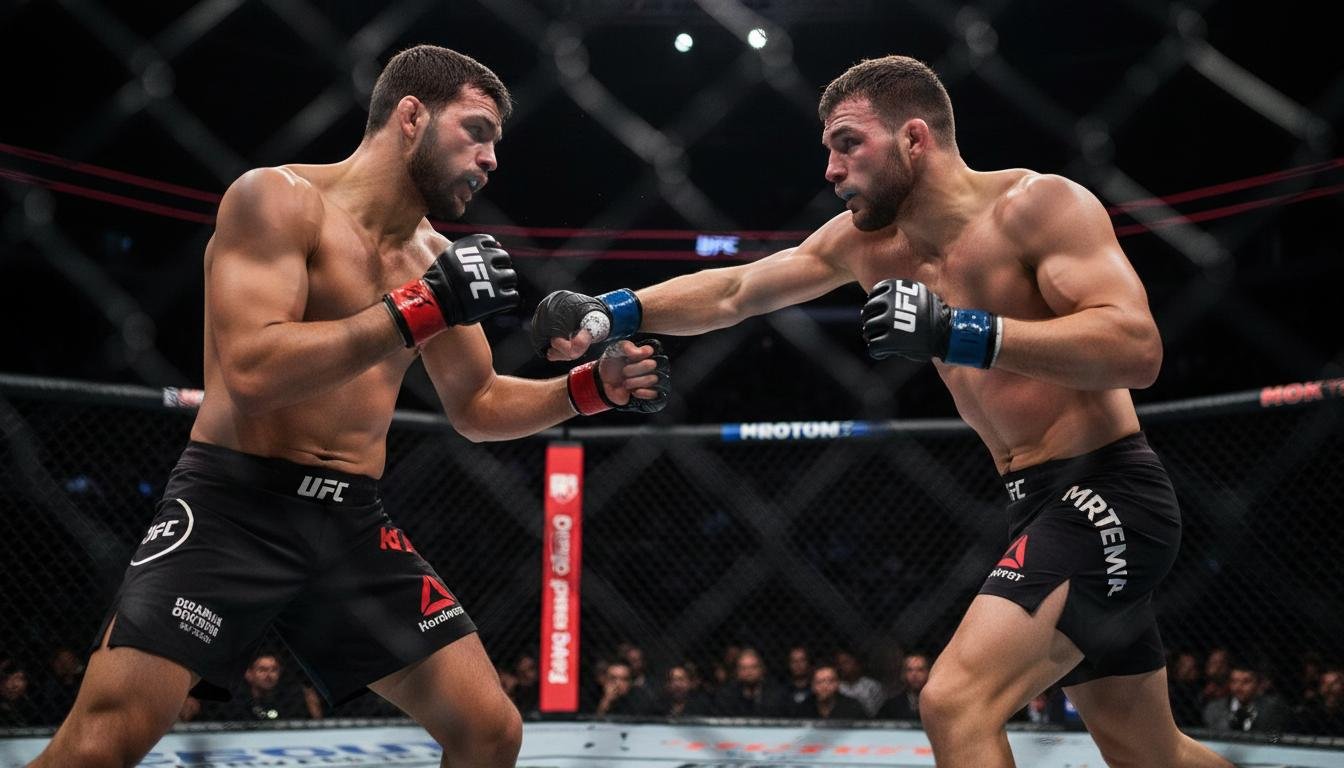
When a fighter moves up or down in weight, the market shifts faster than a southpaw’s footwork. That single decision — to test a new division, chase bigger paydays, or avoid draining weight cuts — reshapes matchup dynamics, alters probabilities, and creates openings for sharp bettors. This article walks through the physiological, stylistic, and market factors that should inform your wagering when fighters change weight class, and lays out practical, repeatable strategies you can use at the window or in-play.
Why a change in weight class matters to bettors
Weight in boxing is more than a number on fight week paperwork. It is a proxy for power, punch resistance, mobility, and often for a fighter’s lifestyle choices. Moving up may reduce the penalty of brutal weight cuts, restoring energy and chin resilience; moving down can buy size and reach advantages but at a potential cost to cardio and recovery.
Bettors who treat a weight-class move as a simple line adjustment miss nuance. Even a favorite’s odds can be mispriced if the market underestimates how a new weight will affect speed, recovery after rehydration, and how opponents will adapt tactics. Good bettors factor physiological trade-offs along with historical data and market psychology.
Physical and performance factors to evaluate
Start with a checklist of measurable and observable items: natural walking weight, frequency and extremity of past weight cuts, changes in punching output and defense when competing at different sizes, and any reported injuries or training camp problems. These data points illuminate whether a fighter is likely to carry power, maintain pace, or suffer fatigue when facing naturally bigger or smaller opponents.
Consider rehydration patterns. Fighters who dump a lot of weight and rehydrate successfully often carry power into the ring but may be vulnerable in later rounds if rehydration was incomplete. Conversely, fighters who move up to avoid extreme cuts may show improved endurance and punch resistance — traits that matter when odds are priced purely on name recognition or past KO rates.
Pay attention to stance, reach, and style fit. A boxer who relies on lateral movement and hand speed can benefit from moving up where striking power is less decisive, while a power puncher stepping up may find opponents who can absorb punishment and exploit mobility gaps.
Case examples that illustrate different outcomes
Some fighters climb weight classes and maintain dominance by adapting style and managing physical changes; others find earlier success fades against larger opponents who can take shots and counter effectively. These divergent outcomes are visible across boxing history and are valuable case studies when building a betting thesis.
In practice, use recent film and round-by-round punch data (where available) rather than headline stats like “record” or “KO percentage.” Look for trends: decreased output, slower reaction times, or visible gas tank issues in the later rounds after raising or dropping weight.
What the numbers tell you: metrics to track
Quantitative analysis won’t replace watching tape, but it sharpens judgment. Track metrics such as average punches thrown and landed per round before and after a weight change, KO ratio in each division, and opponent-adjusted output (how performance changes against similarly ranked opponents).
Simple models that adjust for opponent quality and fight location can produce an expected performance delta when a fighter changes class. Use at least two seasons of fight data when possible; one-off performances often reflect short-term factors like camp issues or stylistic mismatches rather than sustainable shifts.
Small table: quick betting checklist
| Factor | Why it matters | How to use it |
|---|---|---|
| Walking weight | Indicates natural size | Compare to division average |
| Rehydration history | Predicts late-round resilience | Favor under if poor rehydration |
| Punch output trend | Shows conditioning and pace | Use for prop bets (rounds) |
| Style matchup | Determines exploitability | Watch tape; bet where style advantage exists |
How markets typically misprice weight moves
Public markets are driven by name recognition and narrative. A celebrated champion stepping up in weight attracts casual bets, which can shorten lines even if the matchup is closer than it looks. Conversely, lesser-known challengers moving down to avoid draining cuts sometimes receive less respect from the market despite tactical advantages.
Sharp bettors can exploit predictable patterns: fade emotional overbets on famous names moving up without commensurate skill advantages, and consider backing underdogs who gain legitimate size or power advantages but fly under the public radar. Timing is crucial — early lines can reflect uncertainty and offer value before books correct.
Line movement and when to act
Monitor line movement from opening to closing. Significant abrupt shifts often indicate insider information or late-breaking camp news; gradual moves usually reflect public money. If you see a favorite who moved up in weight and the line tightens quickly without new evidence, evaluate whether the market is overreacting to a name rather than to performance indicators.
Placing bets early can lock in value, but it can also backfire if new, verifiable information emerges (injury, reports of poor camp). A disciplined approach is to size early bets conservatively, then add if subsequent information supports your thesis.
Practical betting strategies
Adopt a layered approach: pre-fight base bets that reflect long-term models, and smaller in-play or late bets that exploit observed physical cues during the fight. Use prop bets (round of stoppage, method of victory) when the main line lacks nuance for weight-change effects — for example, betting on decision rather than KO if the moving-up fighter historically loses finishing power against naturally larger opponents.
Value hunts are easiest when the market is emotionally skewed. Two common strategies: 1) fade the name when a heavily hyped fighter moves up without demonstrable advantages; 2) back the underappreciated mover who gains clear physical or tactical benefits, particularly in early betting windows.
Bet sizing and risk management
When a weight change introduces uncertainty, reduce bet size relative to your standard edge. Incorporate an uncertainty multiplier into your Kelly or flat-staking approach to account for physiological and camp variables that data can’t fully capture. Gradual scaling — applying less than full stake pre-fight and increasing with supportive live evidence — preserves bankroll while keeping exposure to value.
Hedging can make sense when you’ve backed a fighter moving up and the risk of being outgunned grows as rounds pass. Hedging decisions should be guided by live indicators — signs of fatigue, reduced punch output, or visible cuts — and by the differential between potential payouts.
Prop bets and live-market advantages
Props are fertile ground. If you believe a fighter moving up will retain speed but lose finishing power, bet on a points victory or on the bout going distance. If you expect the mover to have improved durability, back them to survive later rounds rather than to score an early KO.
Live betting rewards quick, confident reads. If the moving-up fighter shows superior conditioning and the opponent begins to gas, prices for later-round outcomes can swing rapidly. Conversely, if the mover looks empty after early rounds, odds for the opponent and stoppage markets will drift — opportunities for hedges or contra-bets may appear.
Modeling approach: variables to include
If you build your own model, include both quantitative and qualitative variables: adjusted punch differential, age, reach differential, historical success when not drained by weight cuts, camp reports (injuries, sparring feedback), and opponent style metrics. Weight-change flags should be inputs that alter expected power carryover and endurance values rather than simple binary switches.
Run scenario analyses: how does predicted outcome change if the moving fighter rehydrates fully versus partially? Sensitivity testing helps you avoid rigid bets and encourages flexible stake sizing that reflects confidence intervals rather than point estimates.
Personal experience and a practical example
As someone who has followed dozens of fights and placed disciplined wagers over the past decade, I’ve learned to respect small physical signals. One fight I backed heavily involved a young boxer who moved up two divisions to avoid severe cuts. The market favored the veteran, but camp reports and film showed the younger fighter retaining speed and ending rounds stronger. I scaled into a larger position after the opening rounds confirmed the thesis and closed it profitably as the live odds shortened.
That trade wasn’t glamourous; it relied on preparation, humility around uncertain variables, and willingness to act quickly when evidence aligned. These are the habits that separate occasional wins from sustainable edges.
Common pitfalls to avoid
Don’t overemphasize headline numbers like “KO percentage” without context: quality of opposition and fight pace matter more. Avoid sentimental bets on beloved champions who move up purely for spectacle. And don’t ignore small, consistent indicators such as heart-rate reports from camp or comments from trusted trainers — they often presage in-ring realities.
Finally, never chase a loss by increasing the stake on a rematch where the losing fighter changes weight without new evidence supporting a different outcome. Patterns matter; one-off reversals are rarely replicable without a structural explanation.
Tools and resources for the savvy bettor
Use databases for fight records and round-by-round punch stats where available. Combine that with trusted media reports for camp intelligence and with specialized analytics services that provide opponent-adjusted metrics. A disciplined spreadsheet that tracks weight changes, walking weight, and performance deltas will pay dividends over many fights.
Betting exchanges can sometimes reveal where sharp money is going; monitoring them alongside traditional books helps you distinguish public sentiment from informed action. Remember: the best tools are the ones you actually use consistently.
When fighters change weight classes, the best bettors adapt their models and their minds. The edge comes from combining film study, physiological awareness, disciplined staking, and an understanding of market behavior. Do the homework, respect uncertainty, and stay ready to act when the market misprices the complex reality of a weight change.
Sources and experts
- BoxRec — Comprehensive fight records and boxer walking weights: https://boxrec.com
- ESPN Boxing — Reporting and analysis by boxing journalists and insiders: https://www.espn.com/boxing/
- The Ring — Historical context, rankings, and expert commentary: https://www.ringtv.com/
- BoxingScene — Fight news, interviews, and camp reports: https://www.boxingscene.com/
- PubMed — Research literature on weight-making and combat-sports physiology (search “rapid weight loss combat sports”): https://pubmed.ncbi.nlm.nih.gov/
- Freddie Roach — trainer interviews and commentary (various outlets including ESPN and The Ring)
- Teddy Atlas — tactical and psychological analysis (various outlets including interviews and commentary)
Full analysis of the information was conducted by experts from sports-analytics.pro