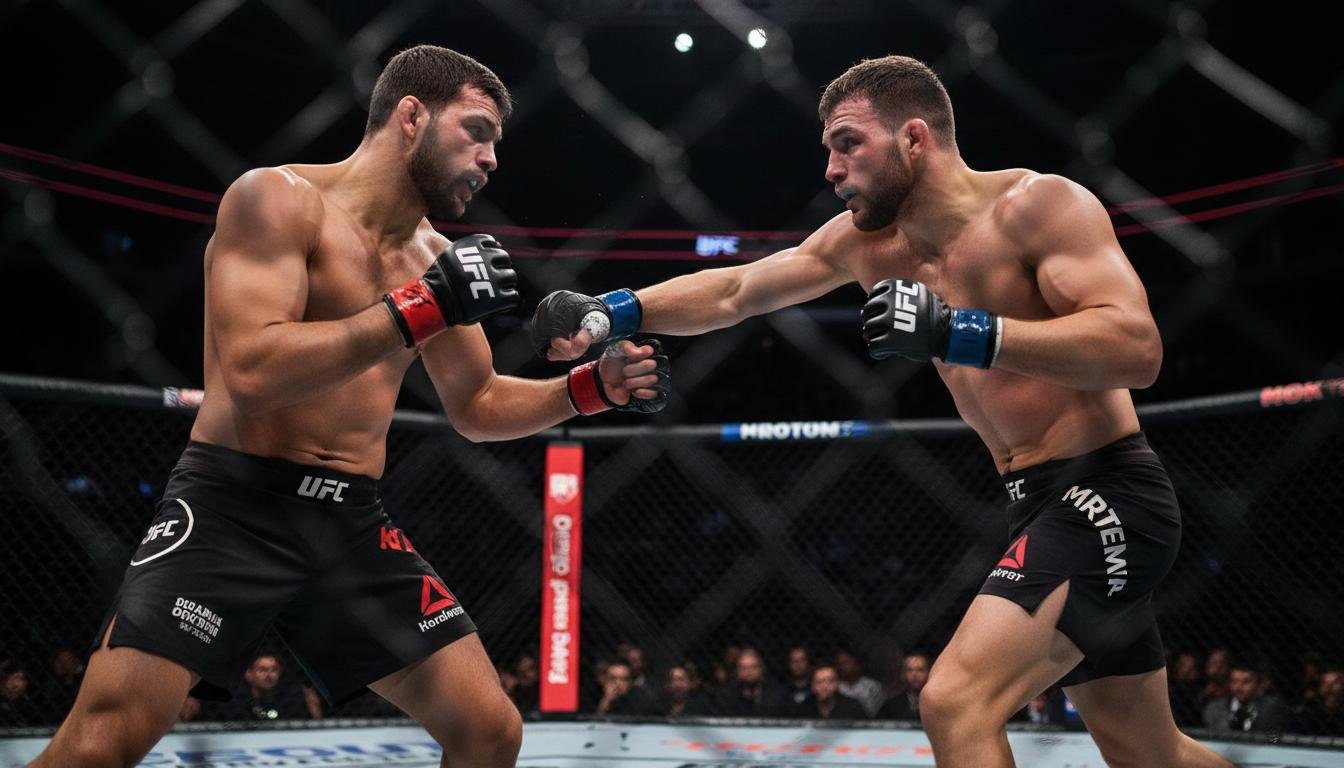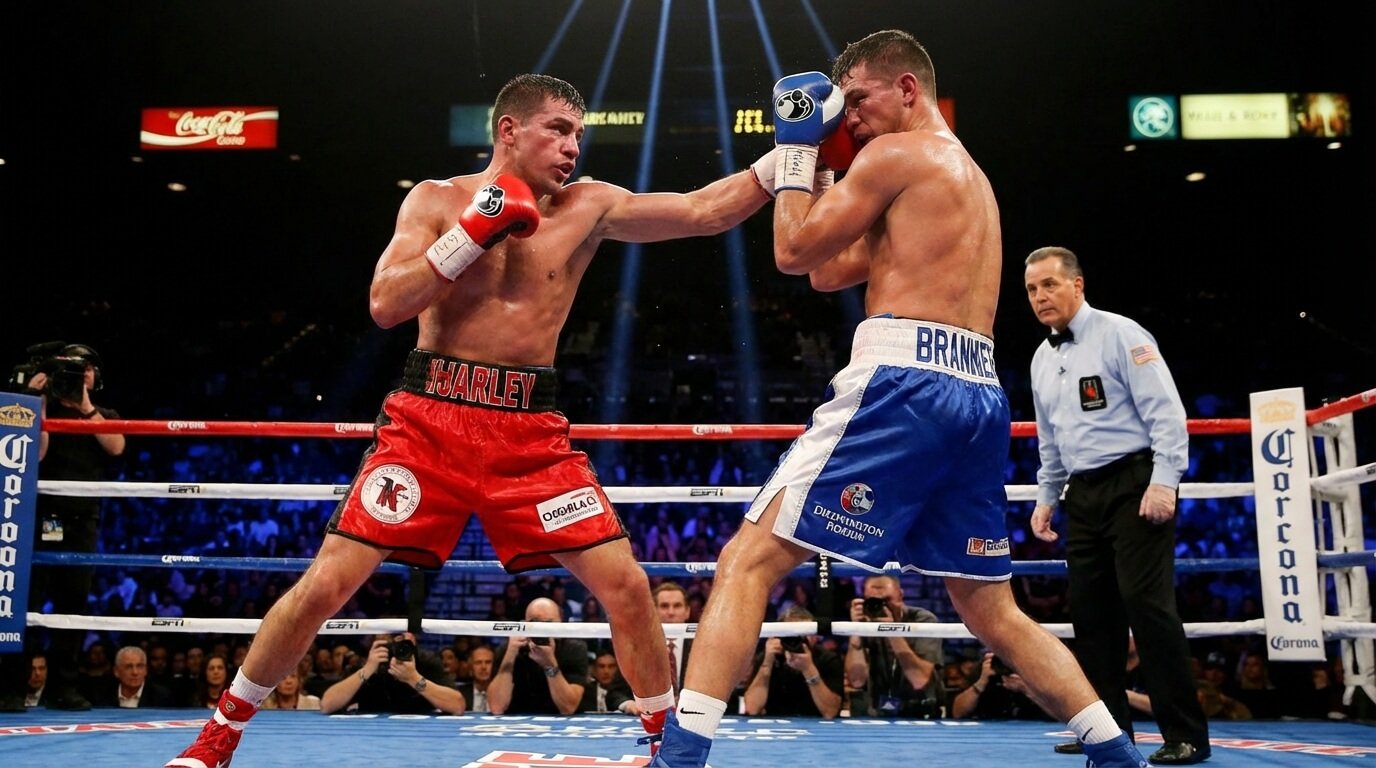
When two fighters step into the ring, a simple question often determines how savvy bettors place their money: will the bout be decided by a steady stream of punches or a handful of fight-ending blows? That tension between output and one-shot finishing power is one of boxing’s most fascinating matchups and also one of its most bettable angles. This article walks through how to read the signs, weigh the data, and turn patterns into disciplined wagers without mistaking noise for signal.
What we mean by volume and power
“Volume” refers to the rate at which a boxer throws and lands punches — punches per round, accuracy over a stretch of rounds, and how consistently a fighter can keep that rate up. It’s the metric that favors work-rate fighters, pressure boxers, and those who win on rounds rather than single moments.
“Power” describes the ability to end a fight with a single or short sequence of shots: knockout artists, one-punch counters, and fighters whose punches visibly change an opponent’s equilibrium. Power shows up in knockout percentage, late-round stoppages, and the way an opponent’s movement collapses after certain shots.
How the two styles change betting markets
Different markets respond to style in predictable ways. Moneyline bets are straightforward — you pick the winner — but method-of-victory props (KO/TKO vs. decision) and round props give the best opportunity to exploit a style mismatch. A high-volume boxer facing a slow, heavy hitter creates clear, bettable narratives on both sides.
For example, a heavy hitter with limited output might shorten the odds for a KO prop, while a high-output boxer with good defense tends to make decision props more attractive. Live betting amplifies this: an underdog who starts fast can make decision props or round futures look valuable before the market adjusts.
Numbers to track before you bet
Before placing money, gather a compact dossier on both fighters. Key numbers include average punches thrown and landed per round, power-punch landed rate, KO percentage, and recent round-by-round trends. Punch stat services like CompuBox give a baseline; fight records on BoxRec reveal stoppage patterns.
Also include age, recent activity, and ring rust. A younger fighter who throws 50 punches a round but has a thin chin is a different bet from an older boxer who throws less but carries 1‑punch knockout power into the later rounds.
Suggested pre-fight checklist
- Average punches thrown and landed per round (overall and last 3 fights)
- Power punches landed per round and percent of total landed
- Opponent quality for those stats — were they facing top competition?
- KO/TKO percentage and how many early vs. late stoppages
- Durability markers: how often have they been stopped vs. gone the distance?
Interpreting CompuBox-style numbers (and their limits)
CompuBox stats are helpful because they turn subjective impressions into measurable differences: who throws more, who lands more, and how clean those shots look. But the numbers come with caveats. They’re human-coded in real time and can vary depending on scorer bias and camera angles.
Use those stats as one input among many. If CompuBox shows Fighter A landing 25 power shots a fight against weak opposition and Fighter B averaging 8 against top opponents, the latter’s number might be more predictive. Context matters as much as the raw digit.
Modeling the matchup: practical heuristics
Turn observations into rules of thumb to guide betting decisions. If one fighter consistently out-works opponents by a large margin and has a good defense, favor decision outcomes. If a fighter shows a high KO ratio and repeatedly stops durable opponents, favor KO/TKO markets.
Another useful heuristic: if the volume gap is large and sustained (one fighter averages noticeably more thrown and landed per round across recent fights), expect a higher chance of winning rounds even if they lack one-punch finishing power. Conversely, a small volume gap coupled with a big difference in power metrics suggests the fight may hinge on a single sequence.
Quick reference table: signals and suggested markets
| Observed signal | Interpretation | Markets to consider |
|---|---|---|
| High volume, low KO rate | Likely wins rounds; less likely to end inside distance | Decision, rounds over (long), low-prop KO odds |
| Low volume, high KO rate | Fights finished by big shots; can be vulnerable to pressure | KO/TKO prop, early-round KO, moneyline if favorite |
| Both moderate volume and moderate power | Close stylistic matchup; skill and pacing decide | Round props, live in-fight value, small stakes |
Live betting: how volume and power reveal themselves early
Live betting is where the volume vs. power axis becomes especially useful. In round one you can observe whether pre-fight numbers translate to ring behavior. A supposed volume fighter who can’t establish range early may be in trouble; a power puncher landing early haymakers changes KO odds dramatically.
Watch landed percentage per round, not just counts. A fighter throwing 40 punches and landing 10 is different from one throwing 30 and landing 18. The latter may create more meaningful damage and shift live markets in real time.
Stylistic matchups and the chin factor
Durability — often called “chin” — is an underappreciated variable. Some fighters absorb big shots regularly without obvious damage; others fold quickly. Combine opponent histories: if Fighter A has high KO power but mostly fought opponents with poor durability, his KO% might be inflated.
Cross-reference knockout rates with the class of opponents. A 70% KO rate against limited opposition does not equal the same predictive power as a 50% KO rate against top-level competition. This is where scouting reports and film work pay off far more than raw statistics.
Weight classes and how they change the calculus
Power scales with weight. In heavyweight boxing, single-shot power is more common and KO props are therefore more valuable. In lighter divisions, volume and speed often blunt pure power, making decisions more likely. Adjust your model to the division you’re betting on.
Also consider how moving up or down in weight affects a fighter’s output and punch force. Fighters who gained weight to add power sometimes lose their output and stamina — that shift can invert their betting profile overnight.
Common pitfalls and cognitive traps
One trap is overfitting a narrative to the fight. If a fighter is branded “KO artist,” markets will price that heavily and often leave value on the other side — especially when facing a technically sound opponent. Another mistake is ignoring recent ring rust or injuries that blunt output or reduce punching speed.
Don’t overweight a single number. A high single-fight punch total is interesting, but patterns across multiple fights reveal more. Markets are quick to adjust to flashy moments; patient bettors profit by examining sustained trends.
Money management and staking recommendations
Regardless of confidence in a volume-versus-power read, treat each bet as a small percentage of your bankroll. Use tiered stakes — larger stakes when multiple signals align (volume gap, opponent durability, and ring rounds imply decision) and smaller stakes when only one or two indicators are present.
Hedges are practical in boxing. If you take a moneyline on a volume boxer early and the power puncher lands a flash knockdown, consider hedging into an opponent-favorite KO prop or taking the under on rounds to preserve capital.
Real-life cases and lessons learned
One clear example of volume overturning expectations came when an aggressive, high-output fighter repeatedly pressured a prestige puncher who lacked mobility. The puncher’s single-shot threat kept bettors wary, but the relentless accumulation of punches won rounds and produced damage that led to late stoppages. I’ve personally tracked a few regional cards where a supposed underdog’s steady output turned the market in-round by round, offering profitable live opportunities for disciplined bettors.
At the elite level, consider upset scenarios where a heavy-handed favorite underestimates a durable pressure fighter. Upsets are rarely a single factor; they’re the product of stylistic mismatches, conditioning advantages, and sometimes a simple mismatch in preparation. Betting strategies that incorporate both metrics — not just one — tend to fare better.
Putting it into practice: a step-by-step betting plan
- Pre-fight: compile punch-volume and power metrics, cross-check opponent quality.
- Position selection: choose markets that reflect your read (decision vs. KO/TKO vs. specific round).
- Stake sizing: allocate according to conviction and number of confirming signals.
- Live adjustment: watch first 1–2 rounds for pace, landed rate, and visible damage; hedge or scale as required.
- Post-fight: log outcomes and update your model so patterns inform future bets.
Final notes on probability and humility
Boxing is unforgivingly stochastic. Even the best models fail when an unlikely sequence of punches changes everything. The smart bettor treats volume and power as probabilistic inputs rather than deterministic certainties and preserves capital for when the market misprices true value.
Read film, weight data by opponent quality, and use live betting to exploit early signals. If you do the quiet work — the contextualizing, the cross-referencing, the disciplined stakes — you’ll find that the volume vs. power debate is less about picking a side and more about picking the right market for the matchup at hand.
Sources and experts
- CompuBox — boxing punch statistics service
- BoxRec — fight records database
- Mike Coppinger — ESPN boxing coverage
- Doug Fischer and The Ring — boxing analysis and reporting
- British Journal of Sports Medicine and related boxing safety research
Full analysis of the information above was conducted by experts from sports-analytics.pro