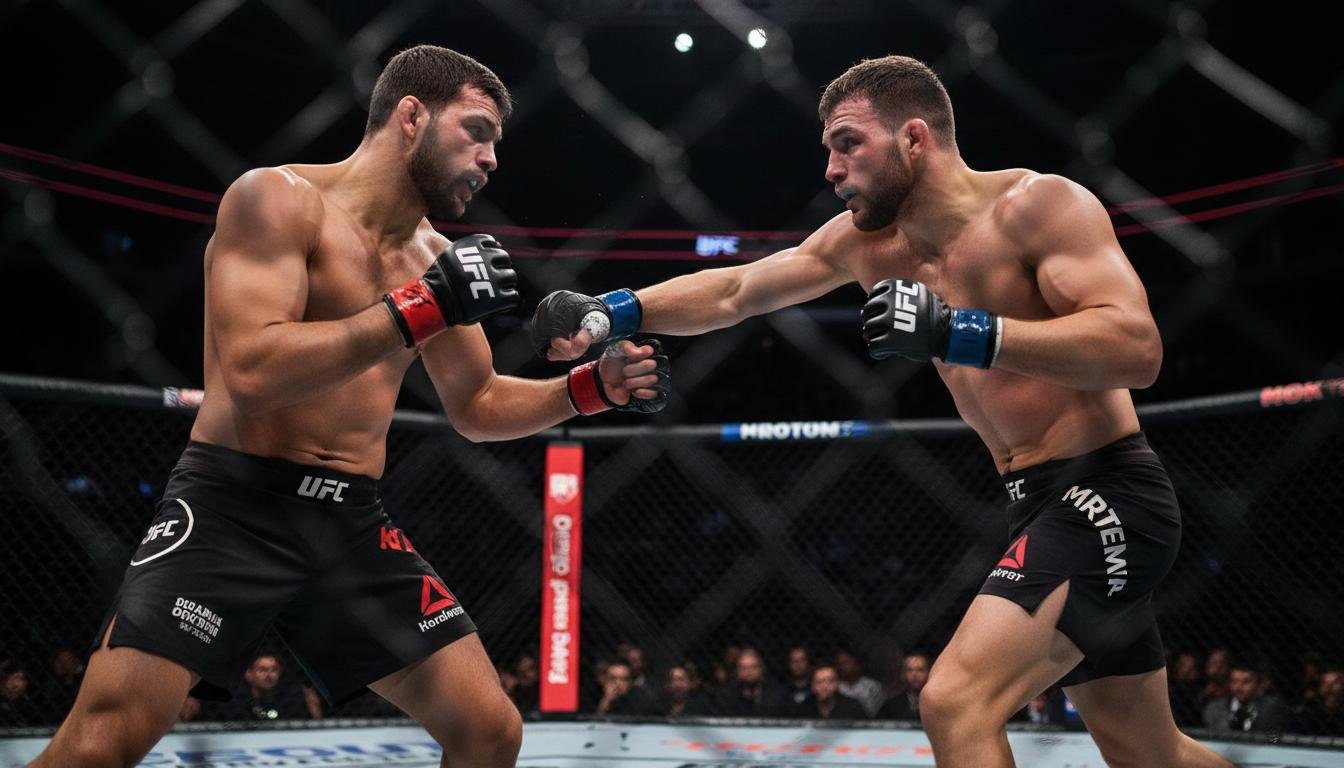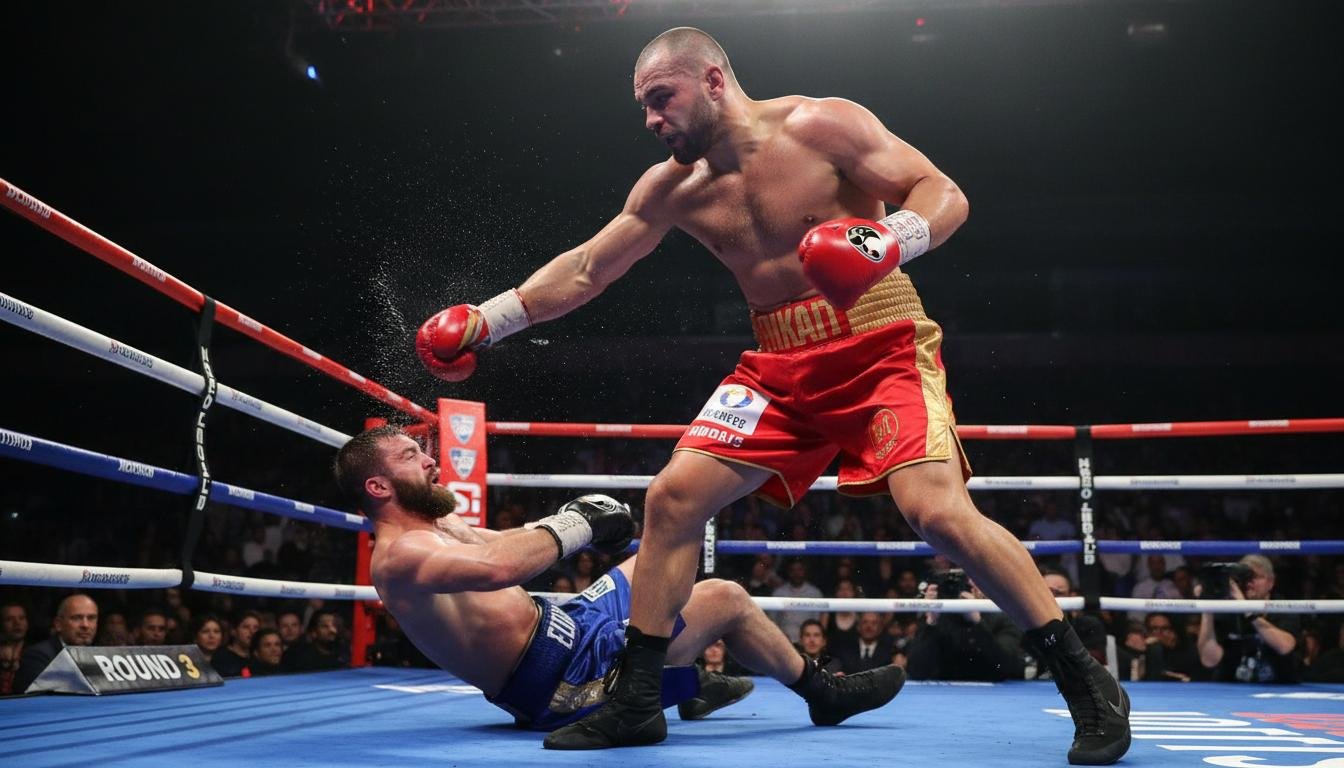
Placing a wager on which round a boxer will win is one of the most thrilling and precise forms of fight betting. It’s not enough to predict a winner; you must forecast timing — will a sharp counterland in round three, or will pressure break an opponent in round eight? That extra layer of specificity offers higher returns and demands a different discipline from typical match betting.
What a “win in a specific round” bet actually means
A “win in a specific round” wager requires you to pick not only who wins but when the stoppage or knockout occurs. If you back Fighter A to win in round four, you collect only if Fighter A stops or knocks out the opponent in that exact round.
Bookmakers vary on exact conditions: some accept the bet for knockouts and stoppages only, while others include technical knockouts and referee stoppages. Always check the market rules for that sportsbook before laying down money.
Why bettors are drawn to these wagers
The attraction is simple: the odds are richer than a straight match bet. Predicting a round narrows possibilities dramatically, so bookmakers pay more for successful calls. For many recreational bettors the payoff justifies the added research and patience.
Beyond returns, round betting lets you leverage knowledge that a simple “who wins” market ignores — factors like fight pace, injury history, and a fighter’s tendency to slow in later rounds can make specific round predictions valuable.
How to identify rounds with genuine value
Value starts with patterns. Analyze past fights for when each boxer tends to be most effective. Fighters who open aggressively and land big power early often produce stoppage chances in rounds one through four. Conversely, grizzled pressure fighters and bodyworkers more frequently create stoppages in the middle rounds, when fatigue and damage accumulate.
Look for telltale signals in recent camps: a spike in early knockouts in sparring reports, changes in fight strategy announced by trainers, or weight-cutting issues that indicate a fighter may gas early. Those soft signals are often underpriced in opening markets.
Also compare matchup styles. A high-volume jabber with limited power is unlikely to deliver early stoppages against an elite counterpuncher, but that same jab can win rounds and create a late stoppage through accumulation. Matchup-specific dynamics can push a round bet into value territory.
Reading fighters’ records and tendencies
BoxRec and CompuBox data help you move beyond raw intuition. BoxRec lists outcomes and stoppage rounds across a career, while Compubox punch stats reveal whether a fighter lands power shots or relies on volume. Use both to map likely stopping windows.
Pay attention to quality of opposition. A fighter who stopped journeymen in round one might struggle to create the same openings against world-class defense. Adjust expectations upward when opponents step up in class — bookmakers price that shift, and you should too.
Using video study and situational scouting
Watching full fights — not highlight reels — remains the most reliable scout. Look for moments where a boxer’s chin wobbles, when their guard drops, or when footwork breaks down under pressure. Those breakdowns tend to repeat under similar conditions and often predict the round when trouble begins.
Study the corner too: some trainers stop dives in later rounds to preserve a fighter, while others encourage seeking the stoppage. A coach who consistently urges aggression late can be the reason a bout ends in rounds seven to nine rather than earlier or later.
Odds, implied probability, and finding value
Always convert odds into implied probability before deciding whether a bet is worth placing. If a sportsbook offers +700 on a round-five stoppage, that equates to an implied probability of roughly 12.5 percent. Your job is to estimate whether the true chance is higher than that number.
Combining objective data and your own read gives you a probability estimate. If your analysis suggests a 20 percent chance of a round-five finish while the market prices it at 12.5 percent, you’ve found value and can justify a stake.
| Odds (American) | Implied probability | Example $100 payout |
|---|---|---|
| +700 | 12.5% | $800 |
| +1200 | 7.7% | $1,300 |
| -150 | 60% | $166.67 |
Use a simple spreadsheet to track implied probabilities across rounds, then compare your subjective estimates. That spreadsheet becomes your scorecard for identifying true edge bets over time.
Bankroll management and staking strategies
Because round bets are low-probability, you must size stakes conservatively. A flat-percentage model — risking 1–2 percent of your bankroll on identified value plays — prevents variance from killing your account during inevitable losing streaks.
Consider a graded staking plan: smaller stakes for pre-fight round selections and larger (but still controlled) stakes for live-line opportunities after you observe the fight rhythm. Keep a record of ROI by bet type to refine your approach.
Live betting: where sharp players often win
Live markets are fertile for round bets because you can observe the first rounds and capitalize on line shifts. If a fighter starts slowly but lands a heavy counter late in round one, the market may over-adjust, creating value for a nearby round of stoppage.
Latency matters. Use a reliable streaming source and know the sportsbook’s delay. If your stream lags the official feed by several seconds, your live bets will be disadvantaged. Efficient live bettors use multiple feeds and keep an eye on line movement across exchanges.
Common mistakes that cost money
Betting out of loyalty is the most common error. Fans overvalue their preferred fighter’s chances of early knockout and underestimate opponent durability. Objectivity is nonnegotiable when predicting an exact round.
Another mistake is ignoring short-notice changes. Late opponent replacements, injury revelations, or altered camp reports shift round probabilities significantly. Markets react quickly, and failing to update your model is costly.
Practical step-by-step checklist before placing a round bet
1) Confirm the book’s specific rules for “win in a specific round” bets and any settlement conditions. 2) Study the fighters’ recent 10 fights for stoppage timing and quality of opposition. 3) Review punch stats and sparring reports for early or late tendencies.
4) Watch at least two full recent fights for each boxer and note when breakdowns occur. 5) Convert current odds to implied probability and compare with your estimated probability. 6) Size the stake according to bankroll rules and record the bet in your tracking spreadsheet.
Case study: applying the approach in a mid-card fight
On a recent card I followed, an aggressive southpaw with a history of early-round power faced a slow-starting pressure fighter who frequently broke down in the middle rounds. The market offered generous odds on rounds three and four, likely reflecting uncertainty about the matchup dynamics.
My study showed the southpaw landed a disproportionate share of his power punches in rounds two and three and gassed after six minutes of work. I placed a small, disciplined bet on round three and sized it at 1.25 percent of my bankroll. The fight ended with an accumulation stoppage in round three; the payout covered several flat match bets that night.
When to avoid betting specific rounds
If either fighter has an undefined game plan or the matchup involves exceptional defensive skill from both corners, the market often underestimates the likelihood of a decision win. In those cases, risk-reward favors a safer match bet rather than a precise-round speculation.
Also avoid round bets when the news cycle is noisy: last-minute cancellations, questionable medical reports, or uncertain judges mean unnecessary variables that inflate risk without increasing potential reward.
Responsible gambling and disciplined review
Always set loss limits and stick to pre-defined staking rules. The thrill of a big payout can encourage chasing, and chasing is the fastest route to depleting a bankroll with round bets.
After each session, review outcomes objectively. Track metrics like ROI by round range (early, middle, late) and by fight class (undercard, main event). Over time this data will reveal which situations you read well and which to avoid.
Putting the plan into practice
Start small and keep a disciplined log of every round bet you place, the reasoning behind it, and the outcome. The combination of data, disciplined staking, and continuous learning will separate profitable round bettors from hopeful gamblers.
Round betting rewards nuance. With patience and a system that blends data, visual scouting, and sensible bankroll rules, you can turn a high-variance market into a repeatable edge.
Further reading and expert sources
Below are the primary sources and experts referenced while preparing this article. Use them as starting points for deeper study and to verify numbers and market rules with your preferred sportsbook.
- https://compuboxonline.com – CompuBox
- https://boxrec.com – BoxRec
- https://www.pinnacle.com/en/betting-resources – Pinnacle Betting Resources
- https://betting.betfair.com – Betfair Betting Blog
- https://www.espn.com/boxing/ – ESPN Boxing (Dan Rafael archives)
- https://theathletic.com/ – The Athletic (Mike Coppinger coverage)
- https://www.ringtv.com – The Ring Magazine
Full analysis of the information in this article was conducted by experts from sports-analytics.pro