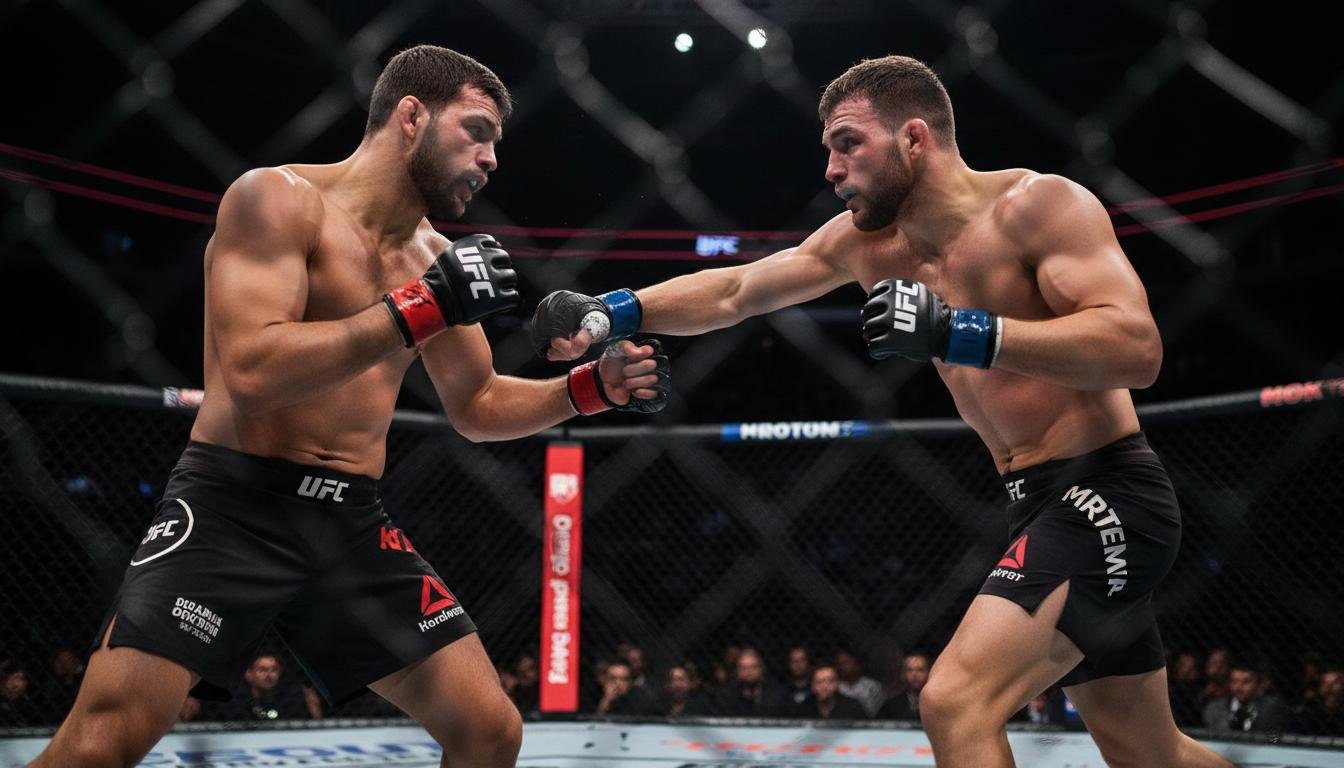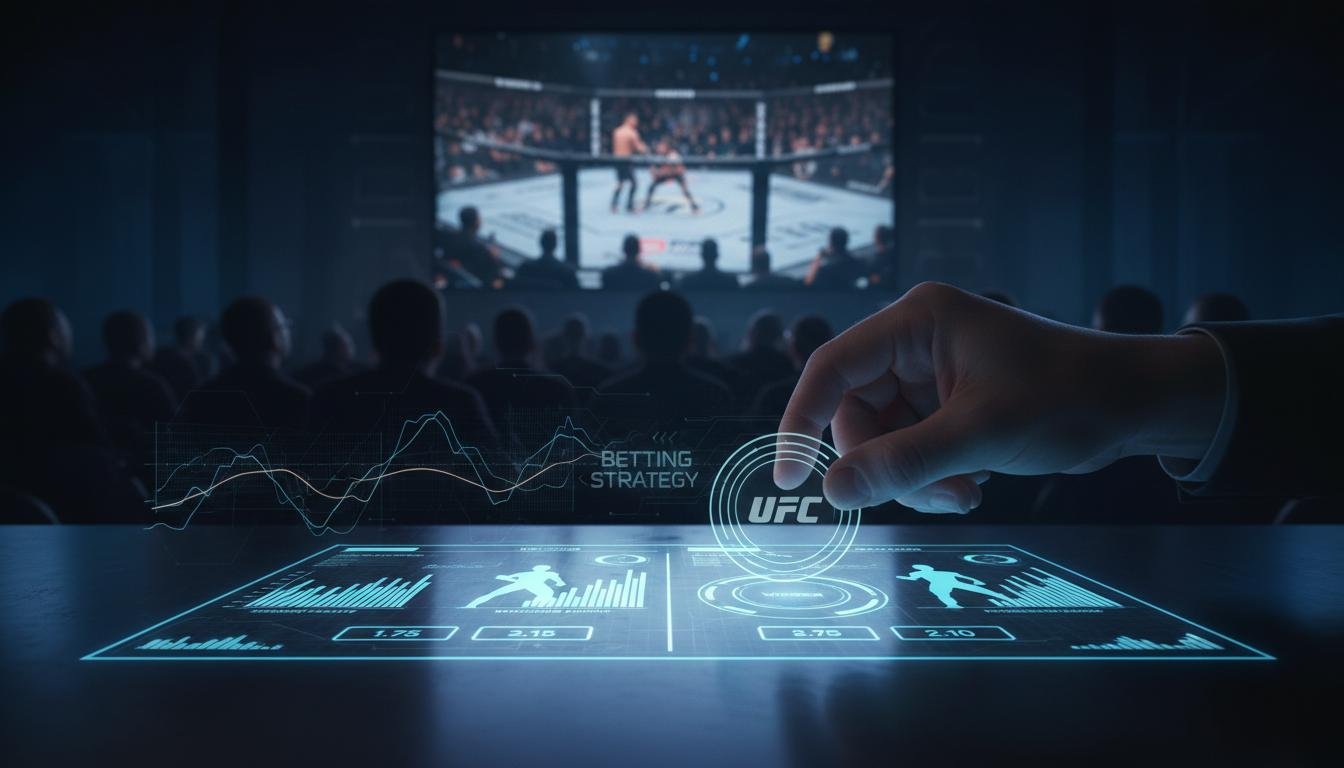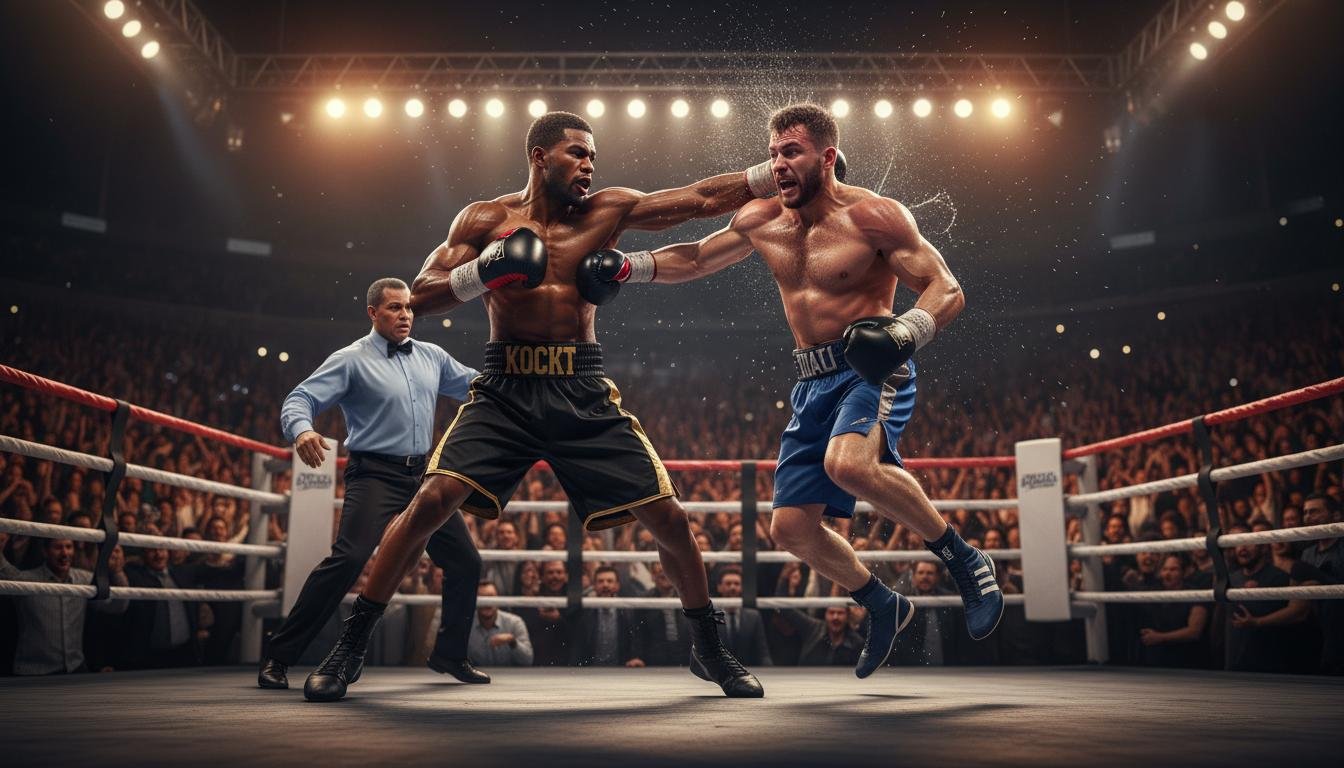
Knockouts and technical knockouts are the headline moments fans remember, and for many bettors they represent one of the most attractive — and volatile — ways to wager on a fight. This article walks through how markets treat KO/TKO outcomes, what to look for in fighters and matchups, how to manage risk, and practical tactics you can use both before a fight and in-play. I’ll mix data-driven signs with real-world sense, plus a few lessons from my own bankroll experiments.
How the KO/TKO market differs from straight moneyline betting
When you bet on knockout or technical knockout outcomes, you’re narrowing the set of possible results to stoppages rather than decisions. Bookmakers often price KO/TKO markets differently from moneyline markets because stoppages are less common and depend on in-round dynamics, fighter durability, and officiating tendencies.
Unlike moneyline odds that reflect winners regardless of method, KO/TKO prices must absorb the lower base rate of stoppages and the uneven distribution of those stoppages across weight classes and styles. Heavyweights usually have higher stoppage rates than lightweights, and that skews market pricing.
What actually makes a stoppage more likely
There’s no single stat that guarantees a knockout, but a cluster of indicators reliably raises probability. Punching power and finishing ability matter, but so do opponent durability (chin), historical stoppage distribution by round, and a fighter’s tendency to quit or be saved by their corner or referee.
CompuBox-style metrics — punches thrown, power punches landed per round, and connect percentage — are particularly useful. A fighter who lands high-power-punch percentages while maintaining pressure is more likely to force stoppages than a high-volume, low-power boxer who wins on points.
Style matchups and timing inside the fight
Matchups are king. Two sluggers facing off increases stoppage likelihood, but a power puncher versus an elite defensive boxer may produce a low stoppage probability if the boxer neutralizes exchanges. Equally, an aggressive inside-fighter against a long-range counterpuncher can create late-round stoppage opportunities as stamina and openings change.
Stoppages cluster in middle-to-late rounds when fatigue sets in and defensive lapses occur, or in early rounds when elite punchers catch less experienced opponents. Look for fighters who either finish fights early by design or who consistently wear opponents down to the point of stoppage.
Reading the odds: implied probability and value
Translate odds into implied probability and compare that to your subjective estimate based on research. If a bookmaker prices a KO/TKO at +250, that implies a roughly 28.6% chance. If your research suggests a 35% chance, there’s value. But your estimate must factor in opponent durability and officiating tendencies, not just raw knockout rate.
Markets reflect public sentiment and recognizable names. Popular heavy hitters will carry shorter KO odds even in unfavorable matchups. Value often lives in under-the-radar fighters whose styles mesh for stoppages but who lack headline recognition.
Different market definitions: KO-only vs KO/TKO
Know the market rules. Some books offer a KO-only market that excludes TKOs, while most offer KO/TKO combined. A TKO covers referee stoppage, corner retirement, and doctor stoppage; KO covers only when a fighter is knocked out. KO-only prices are longer and less common; if you’re confident in a corner or ref stoppage scenario, the KO/TKO market is the right one.
Read terms carefully. Some markets pay on knockout plus three knockdowns rule or on technical considerations that vary by jurisdiction. Misreading these can turn a winning prediction into a losing one.
Practical pre-fight checklist
Before placing a KO/TKO bet, run through a consistent checklist: recent opponent quality, rounds-per-stoppage rate, power-punch statistics, chin metrics (stoppage in losses), and corner/ref tendencies in the region. Historical patterns — like a fighter being frequently stopped early in their career and then more durable later — are important context.
Also include non-statistical factors: short-notice fights, recent weight cuts, injuries, and psychological state. These are often underpriced by markets and can materially change stoppage probability.
Quick table: signals that raise KO/TKO probability
| Signal | Why it matters |
|---|---|
| High power-punch % | Indicates punches that visibly hurt opponents, not just volume. |
| High opponent stoppage rate | Shows vulnerability in chin or conditioning. |
| Aggressive inside style | More exchanges and body shots increase late-round stoppage chances. |
| Pace decline in late rounds | Fatigue creates openings and weakens defense. |
| Ref/commission propensity | Some referees or commissions call earlier stoppages. |
Staking and bankroll approaches
Don’t overweight your bankroll on high-variance KO bets. Use flat stakes or a fixed percentage of bankroll per bet, and avoid betting a large share on a single proposition unless the edge is extreme. The Kelly criterion is attractive mathematically but requires accurate edge estimates; with noisy KO probability estimates, a fractional Kelly or flat staking is safer.
Treat round props and in-play KO opportunities as higher-variance satellite bets. Limit these to a small portion of your active bankroll, and size them based on confidence and liquidity in the market.
Why chasing big odds often fails
Long-shot KO bets can pay off spectacularly, but the market is built to reward discipline. Public bettors chase novelty and big returns, pushing odds on emotional favorites. Successful KO bettors focus on repeatable edges, not occasional jackpots, and they audit losing streaks to prevent skill misattribution.
In my own betting history, the bets that sustained my bankroll were unglamorous: small, consistent value plays across fights, plus a few larger live bets when the visual evidence justified it. Emotional “hero bets” on name recognition rarely paid off.
Live betting tactics specific to stoppages
Live betting gives you the chance to exploit in-fight information: a fighter who starts slow but lands a big shot creates instant value in a KO market. Look for climactic rounds after obvious momentum shifts, and be wary of early knockdowns whose causes are unclear (one-off flukes vs signs of vulnerability).
Round-specific markets can be useful. If a fighter has a pattern of stopping opponents in rounds 5–8 due to body work, a live bet in round 5 with tightened odds may be smart. Conversely, don’t overreact to single landed shots unless they visibly compromised the opponent.
Common traps and how to avoid them
First trap: overvaluing a single puncher’s record without context. A fighter with many knockouts against low-level opposition may not sustain that rate against step-up competition. Second trap: ignoring referee or commission tendencies; some referees are quick to stop, others give longer rope.
Third trap: confusing stoppage frequency with true finishing ability. A boxer who racks up TKOs because opponents quit after accumulating damage is different from someone who lands decisive, fight-ending punches. Break down video and look for the nature of prior stoppages.
Using video and qualitative scouting
Numbers tell part of the story; video completes it. Watch highlights with a focus on how punches land, whether opponents wobble before the bell, and how a fighter handles adversity once hurt. Notice patterns: does he follow up after a big shot, or does he hesitate and lose momentum?
Scouts also look at subtle tells—guard collapse under pressure, tendency to drop hands after 2–3 hard shots, or predictable defensive shifts. These traits are exploitable in both pre-fight lines and live markets.
Tracking results and refining your model
Keep a simple ledger: stake, odds, fight, market (KO/TKO, round prop), rationale, and outcome. Over months, patterns will emerge about which signals you read well and which you overestimated. Use that feedback to tighten your checklist and adjust staking.
Where possible, quantify your edge. Compare implied probabilities from odds to your model’s probabilities and record variance. Small edges compound; consistent positive expectation beats occasional big wins with no analytical basis.
Resources and experts worth following
Cultivate a mix of data sources and expert commentary. CompuBox provides punch-level data that complements boxrec’s fight histories, while Pinnacle and Betfair publish market-focused guides that explain how bookmakers think. Experienced writers and trainers like those at ESPN and The Ring add context that raw numbers can miss.
Follow referee/commission stats and local tendencies, because officiating can swing stoppage outcomes. Finally, join a few analytics communities to discuss patterns and avoid echo chambers; you’ll learn faster with peers who challenge your assumptions.
Betting on knockouts and technical knockouts can be profitable when approached as an analytical exercise rather than a guessing game. Focus on matchups, durable evidence, disciplined staking, and continual feedback from your own record. Over time you’ll learn which signals matter most for the types of fights you prefer to bet.
Sources and experts
- Pinnacle — Boxing betting guide (Pinnacle editorial)
- Betfair — How to bet on boxing (Betfair editorial)
- CompuBox — Official punch stats
- BoxRec — Fight records and histories
- ESPN Boxing — reporting and analysis (Mike Coppinger and staff)
- The Ring — Boxing news and expert commentary
Full analysis of the information was conducted by experts from sports-analytics.pro