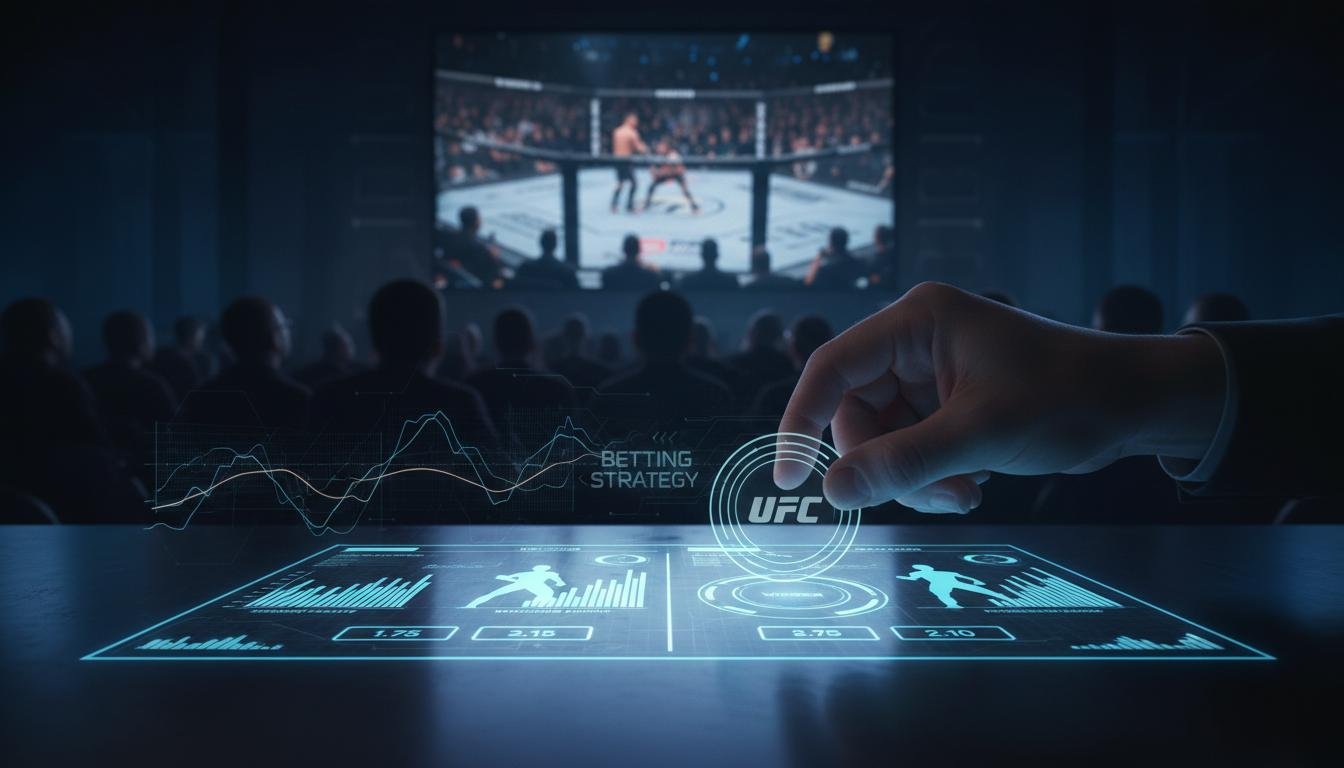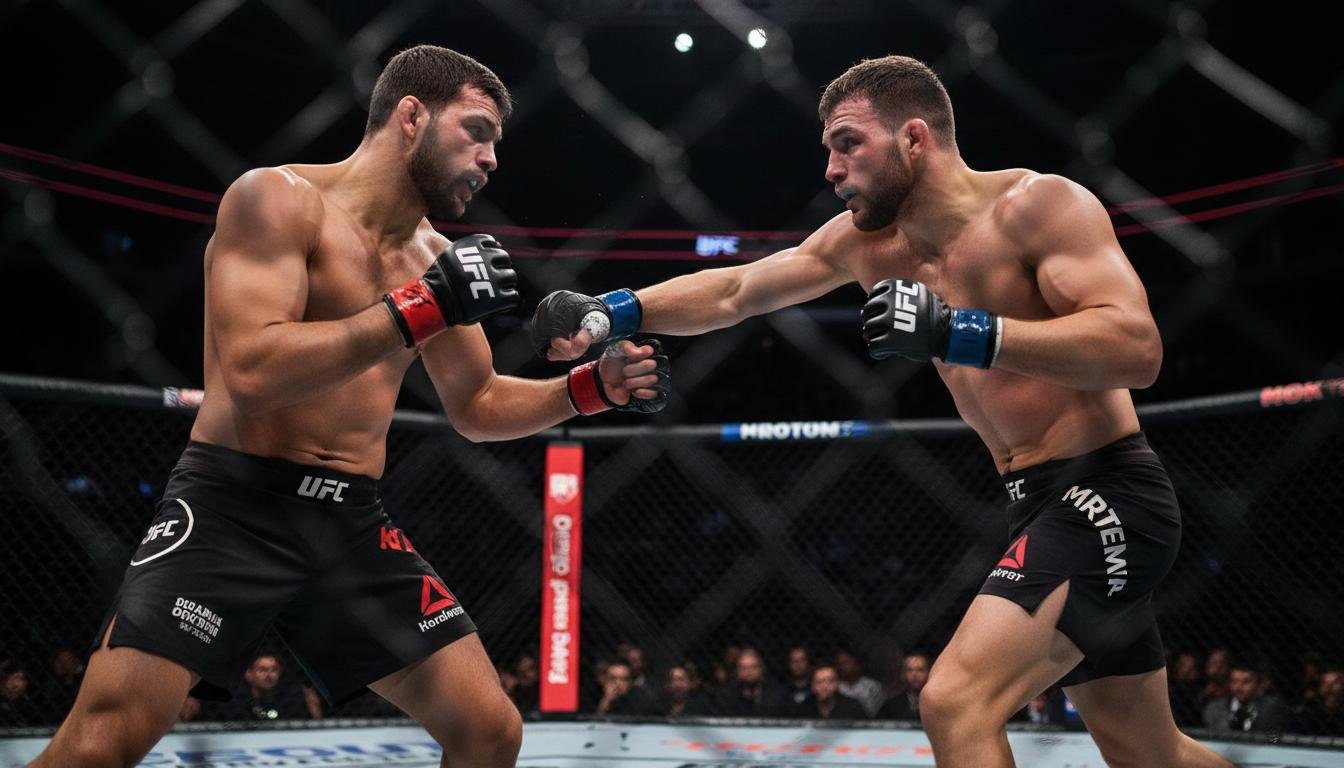
When two fighters show similar strengths and fight styles, the market for “total rounds over” can feel like a coin flip — yet there are edges if you know where to look. This article breaks down how to analyze equal-style matchups, translate stats into probabilities, and craft a practical betting plan that protects your bankroll while finding value. I’ll blend hard numbers with on-the-ground observations from watching fights and tracking lines, and show the tactics I use when styles cancel out and the obvious bettor’s edges vanish.
How total rounds markets work and what “equal styles” changes
Totals (over/under) on rounds ask a simple question: will this fight go longer than the number of rounds the market sets? In MMA, totals are usually set at half-round increments like 1.5, 2.5, or 4.5 so bets resolve clearly. The bookmaker’s line reflects an implied probability that the bout will pass that mark, and your job is to decide whether that probability is mispriced.
When fighters have contrasting styles — say, an aggressive striker vs. a defensive grappler — the decision tree is straightforward because style mismatch creates predictable paths to a finish or a decision. But equal styles complicate things: both fighters might prefer the same range (stand-up or clinch), have similar finishing rates, and comparable cardio. That dampens stylistic edges and pushes you toward subtler clues: pace, durability, conditioning trends, and book market behavior.
Define “equal styles” precisely before you bet
“Equal” doesn’t mean identical. For betting, it means neither fighter presents a clear path to a finish that dominates the fight script. They may have similar significant-strike rates, similar takedown averages, and comparable knockout/submission percentages. The quantitative overlap is what matters: if their profiles overlap across the key finishing axes, style-driven edges shrink.
Start by comparing three axes: offensive output (strikes landed per minute or significant strikes), finishing propensity (finishes per fight and finish type), and defensive resilience (damage absorbed, takedown defense). If both athletes sit close on those metrics, the matchup qualifies as “equal” for totals analysis and requires deeper contextual work rather than raw style reading.
Pre-fight factors you must evaluate
Cardio and conditioning trends are the most important single predictor when styles are equal. Fighters with similar output but different tendencies in round-by-round decline point to different round distribution. Look for late-round slowdowns in fight film and past rounds-pacedata; a fighter who fades in round three raises the odds of later-round finishes or decisions that go the distance.
Durability and damage absorption matter next. A fighter who eats a lot of significant strikes but rarely gets finished will encourage longer fights; that same fighter facing a durable opponent suggests the market should favor the under. Conversely, two durable fighters who still show declining output into later rounds increase the chance of tactical grappling and a decision.
Recent activity and ring rust shape outcomes. A six-month break with no injures is different from a two-year layoff. Surgical history, age, and fight camp reports (from reliable journalists) can materially change the expected round length when styles are otherwise matched.
Intangibles that shift a pitch in equal matchups
Game planning and fight IQ are underrated in totals markets. A fighter who adapts and slows the fight down after early success often turns a likely finish into a drawn-out decision. Scouting reports, interviews, and film study can reveal whether either camp prefers to preserve a win rather than chase a highlight finish.
Stick-and-move vs. pressure nuances are subtle but decisive. Two strikers with the same KO rate may lead to different round lengths if one uses controlled range management while the other risks heavy exchanges. Those nuances are visible in minute-by-minute film review and should influence your total rounds decision.
Key statistics to prioritize (and how to read them)
Not all numbers are equally useful. Prioritize: finishes per fight, significant strikes landed and absorbed per minute (SLpM/SApM in UFC Stats), takedown attempts and defense, and round-by-round activity if available. These metrics track how quickly fights typically end and whether one athlete is likely to press for a finish.
Weight-class finish rates matter too. Lower weight classes trend to go the distance more often than heavyweights, so adjust expectations by division baseline. Combine individual metrics with division-level tendencies before you decide the over/under is mispriced.
Use a simple comparative checklist
- Finishes/fight: who finishes more, and how do those finishes occur?
- Damage intake: can either fighter be hurt early?
- Output consistency: does either fighter slow dramatically late?
- Division baseline: does the division historically favor decisions or finishes?
- Recent trends: any changes in style over the last three fights?
Ticking through that checklist gives you a structured way to convert raw stats into actionable insight rather than relying on gut feel alone.
Translating odds into implied probabilities
Understanding implied probability is essential. If a bookmaker posts the over 2.5 rounds at -120, that implies about a 54.5% probability the fight will exceed 2.5 rounds after the bookmaker’s margin. Your job is to estimate a true probability and compare it to the market’s implied number.
Build a simple model: combine historical finish rates for each fighter, adjust for division baseline and recent conditioning signals, then convert to a probability that the fight ends before the threshold. I like to think in expected rounds rather than raw finish rates; an expected rounds figure converts more directly to an over/under decision.
Example: quick calculation (illustrative)
| Market line | Bookmaker over odds | Implied probability (over) |
|---|---|---|
| Over 2.5 rounds | -120 | 54.5% (approx.) |
Use fighter finish rates to estimate a true over probability. If your model gives 60% chance of going past 2.5 rounds, the -120 market offers value. This is a simple illustration; real models account for round distribution and fight dynamics rather than a single aggregated finish statistic.
Live betting: where equal styles create the best opportunities
When styles match, live markets are especially exploitable because mid-fight signals reveal intentions. Early rounds show whether fighters stick to their pre-fight gameplans. If both conserve energy early, the live market typically drifts toward the over — and you can often find better prices than pre-fight lines justified by the new evidence.
Conversely, if two fighters trade heavy shots early and neither goes down, the market may overreact to potential stoppages and inflate under prices; a measured live counter-bet on the over can be profitable. Live betting rewards fast observation, disciplined staking, and clearly defined stop-loss rules.
Round-by-round live tactics
Watch the pace and the corner work. If both corners are calm and instruct fighters to hold pace rather than hunt, assume the fight is going longer and target overs at round-break lines. If a fighter is visibly gassed or has a swollen eye, the markets will drift toward a finish; use that to place selective unders if the model supports it.
Avoid chasing one-runner outcomes. Live markets swing wildly; the right use of live betting is to incrementally improve your entry price for a pre-identified thesis — not to invent a new thesis mid-fight.
Bankroll management and staking when value is small
Equal-style matchups usually produce small edges. Protect yourself by using conservative staking: flat bets or fractional Kelly (10–15% of the Kelly stake) are reasonable approaches. When edges are marginal, your capital management is the true edge.
Set clear sizing rules for pre-fight versus live bets. I often allocate half my stake pool for pre-fight value and half for live opportunities; that balance lets me act on both researched edges and new information without blowing a single event.
Common mistakes to avoid
Don’t overweight hype or media narratives. Press coverage often elevates perceived finish chances without changing the underlying numbers. Rely instead on measurable indicators like finishing rates and cardio trends.
Avoid conflating similarity with cancellation. Two similar fighters do not always create a push to the distance; if both are pressure-heavy and tend to force mistakes, the fight can end unexpectedly. Your models should allow for correlated risk rather than assuming independence.
Practical game plan: a step-by-step approach I use
Step 1: Screen for equal-style matchups using a short quantitative filter (finishes per fight within ±10%, SLpM within ±0.3 points, takedown metrics within ±15%). This quickly flags fights that require deeper study. Step 2: Watch full film of each fighter’s last three bouts with an eye on round-by-round output and corner behavior. That reveals pacing and conditioning nuances missed by totals alone.
Step 3: Build a simple probability estimate for the market threshold and compare it to the bookmaker’s implied probability. Step 4: Decide staking size with a conservative rule (e.g., 1–2% flat bet for pre-fight value, 0.5–1.5% live depending on conviction). Step 5: Monitor lines and be ready to hedge if new information (an injury report, weight miss, or visible fatigue) materially changes the probability.
In my experience betting across hundreds of UFC cards, the best returns from equal-style totals come from discipline — refusing small, emotional bets and compounding small edges over many events. A handful of well-researched small-size bets will outperform frequent, impulsive wagers.
Final practical examples and a sanity checklist
Example 1: Two boxers with similar KO rates, both known for controlled range and excellent defense, fight in a division with historically high decision rates. Pre-fight model shows 63% chance of going past 2.5 rounds while market implies 55% — I take the over with a small flat stake. Example 2: Two wrestlers who rarely finish stand in the same profile, but both have shown late-fight gas in recent bouts. Here, game planning suggests a likely decision, but the live market could offer better prices on the under if early rounds show low output; patience wins.
Sanity checklist before placing a bet: have I compared both fighters on the three key axes? Did I adjust for division baseline and recent activity? Is the line offering a true edge after fees? If the answer to any of these is no, walk away.
Markets that look random are often just information-poor. When styles are equal, the edge moves from headline stats to careful, repeatable processes: film study, conditional probability updates, disciplined staking, and patient live betting. That combination turns marginal opportunities into steady profits over time.
Sources and experts consulted:
- UFC Stats (UFC Stats team)
- The Action Network (MMA analytics team)
- Pinnacle sportsbook blog (Pinnacle analytics)
- ESPN MMA (ESPN MMA reporters and analysts)
- Sherdog (MMA writers and researchers)
- BetMGM sports betting resources
Full analysis of the information in this article was conducted by experts from sports-analytics.pro