Betting on MMA rewards nuance: a single technical detail can swing odds and outcomes more than records or hype. One such detail is head protection—or the lack of it—among striking specialists. This article walks through how to spot low head protection, turn that observation into a betting edge, and manage risk without treating every open-guard fighter as an automatic value play.
Why head protection matters more than it looks
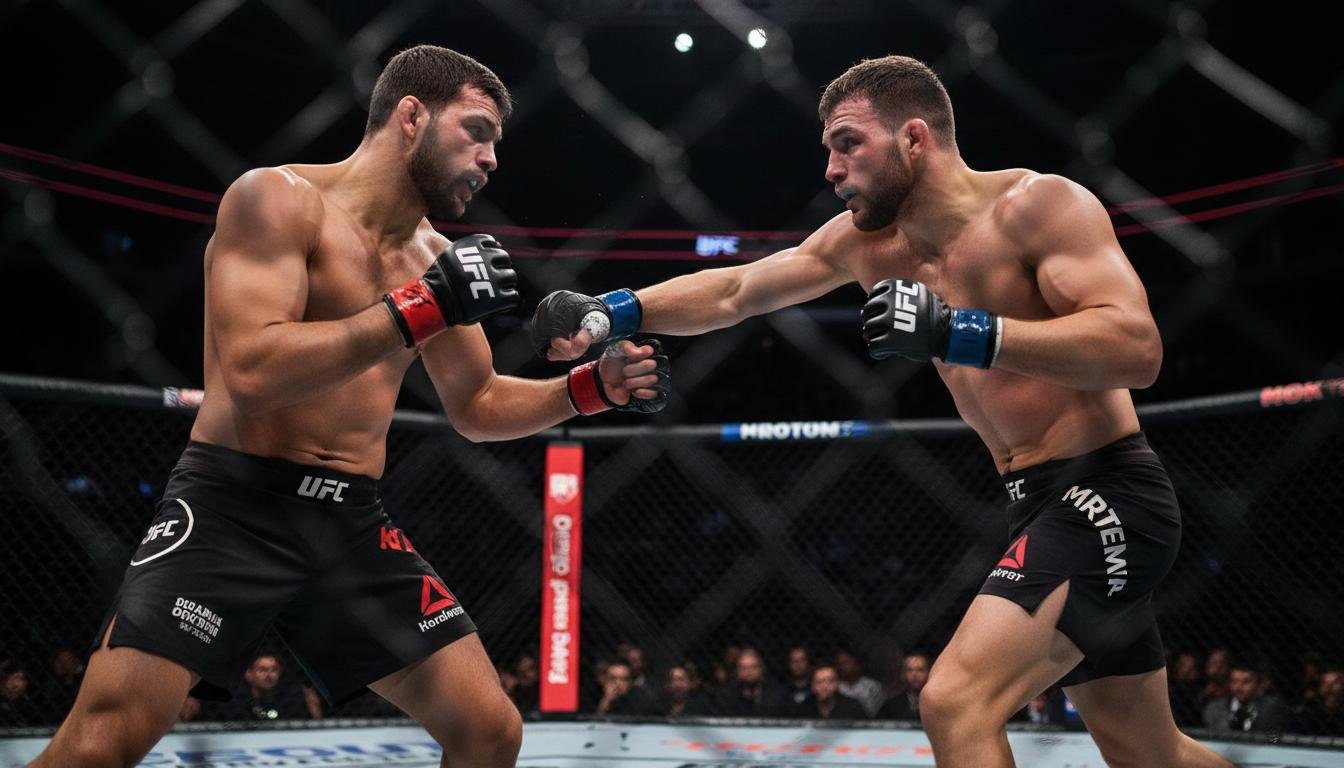
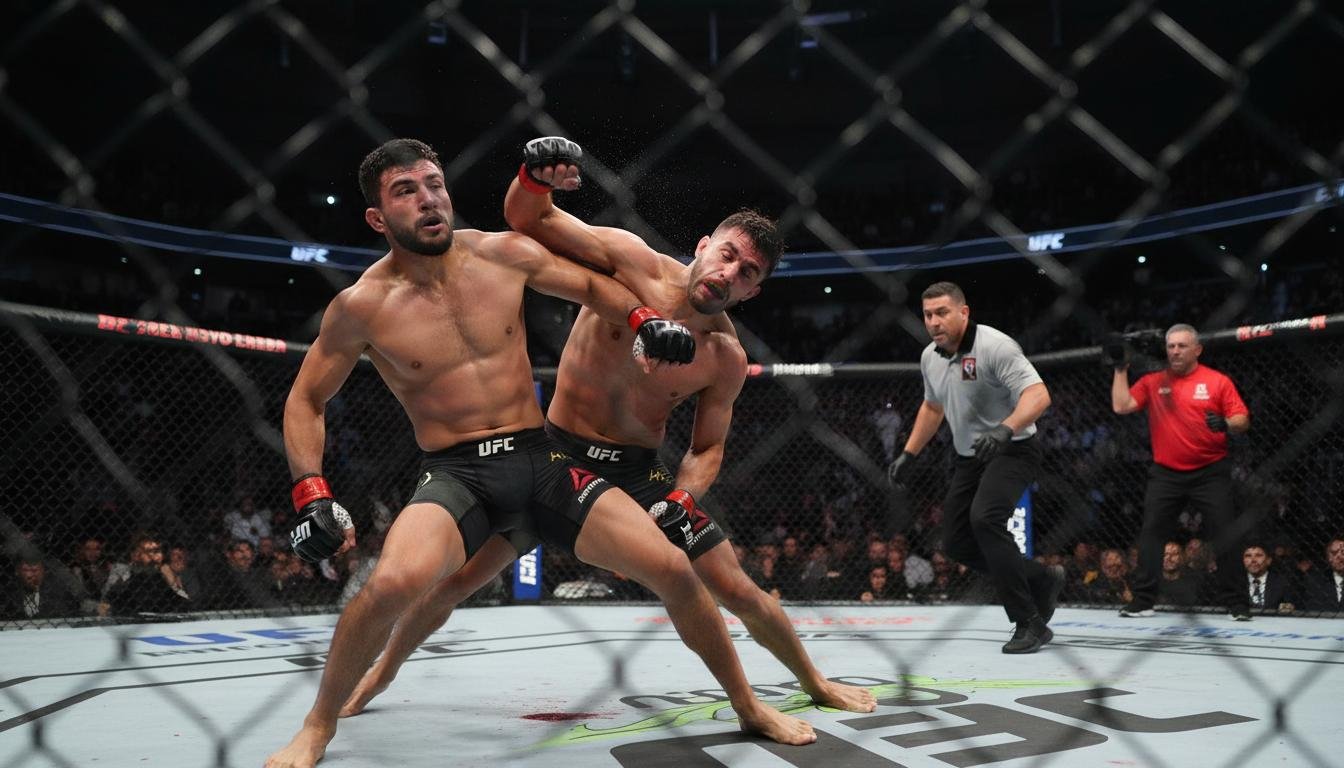
In striking-based fights, a fighter’s defensive habits around head positioning and chin tuck are direct predictors of susceptibility to knockdowns and knockouts. Unlike grappling exchanges where volume and position matter, a clean, accurate shot to an unprotected head often ends a fight abruptly and changes the shape of betting markets in minutes.
Bookmakers price in general risk—records, recent form, punch resistance—but they can underweight stylistic vulnerabilities that don’t show in records alone. That gap between public perception and stylistic reality is where disciplined bettors can find value, especially in props and live lines.
How to identify strikers with low head protection
Start with video scouting. Watch full rounds rather than highlights. An open guard habit shows up in recurring patterns: straight elbows down, head leaning forward without chin tucked, predictable straight-line retreats, or overcommitted counters that leave the face exposed. Those traits reveal themselves across multiple fights, not just a single clip.
Combine visual scouting with basic stat checks. UFC Stats tracks metrics that, when paired, create a clearer picture: significant strike defense percentage, strikes absorbed per minute, and opponent accuracy. A fighter with low defense percentage and high strikes absorbed per minute is more likely to be vulnerable to a clean finishing shot.
Context matters. Younger fighters who have not yet adapted protection for the pro pace, or aging strikers whose reflexes have slowed, often display similar vulnerabilities. Also watch for stylistic defenders—fighters who rely on footwork but leave their guard down when countering; if their opponent has power and accuracy, that’s a red flag.
Observable signs versus statistical signals
Observable signs are qualitative: head position, hand placement, tendency to eat straight punches. These are the cues you get from film and color commentary. Statistical signals are quantitative and can confirm what you see: high absorption rates, low strike defense, and opponent significant strike accuracy.
Use both. Film will tell you whether a fighter’s low guard is a short-lived affectation or a structural habit. Stats will tell you whether opponents have consistently punished that habit. Relying on one without the other increases error.
Key metrics to check before you bet
Not all numbers are equally useful. Some are noisy in small samples; others are surprisingly predictive. The metrics to prioritize are significant strike defense (%), strikes absorbed per minute (SApM), opponent strike accuracy, and a fighter’s own takedown game—since a reliable takedown threat can neutralize a dangerous striker.
Below is a compact table with the metrics, why they matter, and practical red-flag thresholds to watch for. These thresholds are rules of thumb, not absolutes; use them as starting points for deeper research.
| Metric | Why it matters | Red-flag threshold |
|---|---|---|
| Significant strike defense (%) | Shows how often a fighter avoids significant strikes | Under 55% |
| Strikes absorbed per minute (SApM) | Volume of clean shots taken | Above 4.0 |
| Opponent significant strike accuracy | Indicates how well foes capitalize on openings | Above 45% |
| Takedown average & accuracy | Ability to change the fight to wrestling where headshots are rarer | Low takedown rate and accuracy |
Which bet types benefit most from this analysis
Knockout/MKO props are the most direct way to monetize a vulnerable head. If a fighter has a demonstrated habit of leaving the chin exposed and faces a power puncher with high accuracy, the KO prop often offers value even when the moneyline is close. Props carry higher variance, so size your stake accordingly.
Round betting and round-props are the next most useful. Fighters with low head protection are likelier to be finished early, especially against high-pressure punchers. Betting Round 1 or early-round props can pay well because the market tends to assume a longer fight unless a clear mismatch exists.
Live betting is where the edge often becomes most profitable. If the vulnerable striker begins poorly—missed counters, visibly stunned—the live markets will shift quickly. Bettors who watched the film and opened accounts across multiple books can pounce on mid-round KO lines before prices normalize.
Matchup profiling: a step-by-step pre-fight routine
Develop a consistent checklist you run through for every fight: two rounds of film on each fighter, look for recurring defensive lapses, check the four key stats in the table, and review opponent tape to see if they exploit those lapses. Repeat this routine until it becomes second nature.
Weight class nuance matters. Power and speed scale differently between divisions. In lighter weight classes, head protection mistakes are still dangerous but are less likely to result in one-punch knockouts than in heavier divisions. Adjust your thresholds accordingly and don’t use a one-size-fits-all metric.
From my own tracking, the best opportunities came when I combined a qualitative note—“drops left hand on the exit”—with a quantitative confirmation—opponents landed above-average straight-right accuracy. That double confirmation trimmed false positives and conserved bankroll.
Money management and staking for this edge
Because vulnerabilities produce volatile outcomes, prefer smaller stakes on props and slightly larger but measured stakes on live-round opportunities when your edge appears. Use unit sizing: 1–2% of bankroll for higher-variance props, up to 3–5% when multiple independent signals align for a live bet.
Line shopping is non-negotiable. Different books value stylized risk differently; a KO prop at +225 with one book and +275 at another yields materially different expected values. Keep accounts open across multiple reputable sportsbooks and record your bets to analyze long-term ROI.
Live-betting tactics and behavioral cues
During live action, watch for early-warning signs that the head protection is failing: a fighter starts blinking more, has uneven footwork, misses counters, or shows delayed reaction time. Those moments compress the odds on knockout props and often come with limited liquidity, so be ready.
Another live tactic: monitor corner behavior between rounds. An urgent shift in game plan—immediate emphasis on hands-down counters or repeated instruction to “keep the hands high”—often confirms a recognized problem. Betting markets sometimes lag behind these tactical shifts, creating short windows for advantage.
Common mistakes bettors make
One frequent error is overreacting to a single fight where a fighter was caught. A one-off lapse does not equal a chronic defensive issue. Conversely, ignoring film and betting solely on glamorous records is equally dangerous. Balance sample size with qualitative evidence.
Confirmation bias also creeps in: once you label a fighter “chinny,” you may begin to see every hit as damning. Keep a log of bets and review losses to learn whether your read was accurate or colored by narrative. Good bettors refine hypotheses; bad bettors double down on gut feeling.
Ethics and health: why this analysis is delicate
When you bet on vulnerabilities like poor head protection you are, in effect, predicting a physical harm outcome. Treat that reality responsibly: avoid rooting for injuries, and never use this framework to encourage reckless fighting practices. The aim is smart prediction, not schadenfreude.
Also remember that repeated head trauma has long-term health consequences. Use reputable medical and sports-science sources when discussing head impacts, and don’t attempt to diagnose conditions from video—leave medical conclusions to professionals.
Bringing it together: a practical checklist to follow before placing a bet
Run this quick checklist before you place a moneyline or prop related to a vulnerable striker: 1) Two rounds of full-fight tape for each fighter. 2) Check UFC Stats for significant strike defense and SApM. 3) Confirm opponent accuracy. 4) Evaluate takedown threat. 5) Shop lines across books and size the stake appropriately. This routine keeps emotion out and evidence in.
Over months of applying this checklist I saw small, consistent returns; the key was patience and discipline. Waiting for the right combination of film and stats produces fewer bets but higher-quality ones.
Final thoughts
Spotting strikers with low head protection is a specialized skill that pays off when combined with stats, film, and disciplined bankroll management. It’s not a shortcut to guaranteed wins—MMA is inherently unpredictable—but it is a repeatable edge when applied carefully.
If you incorporate these practices you’ll shift from cheering for flashy finishes to betting with reasoned anticipation. The markets hate measurable nuance; if you can measure it, you can often monetize it.
Sources and experts consulted:
- UFC Stats https://www.ufcstats.com
- Ariel Helwani (ESPN MMA) https://www.espn.com/mma/story/_/id/aarohelwani
- Alexander K. Lee (MMA Fighting) https://www.mmafighting.com/authors/alexander-k-lee
- John Morgan (MMA Junkie) https://mmajunkie.usatoday.com/author/john-morgan
- Sherdog (staff writers and fight archive) https://www.sherdog.com
- McCrory P., et al., 2017 Consensus statement on concussion in sport (British Journal of Sports Medicine) https://bjsm.bmj.com/content/51/11/838
Full analysis of the information was conducted by experts from sports-analytics.pro