There are moments in every UFC card when the action grinds against the cage and everything important happens in a five-foot radius of canvas and metal. Betting on those moments requires a different eye than backing a striker who lives in the center of the octagon; the metrics are different, the outcomes are skewed toward scrambles, submissions, and referee intervention, and the lines can move hard once the first clinch tells a story. This article unpacks how to evaluate fighters who fight against the fence, how to turn that evaluation into smart pre-fight and live bets, and which specific signals separate value from noise.
Why the fence matters in MMA betting
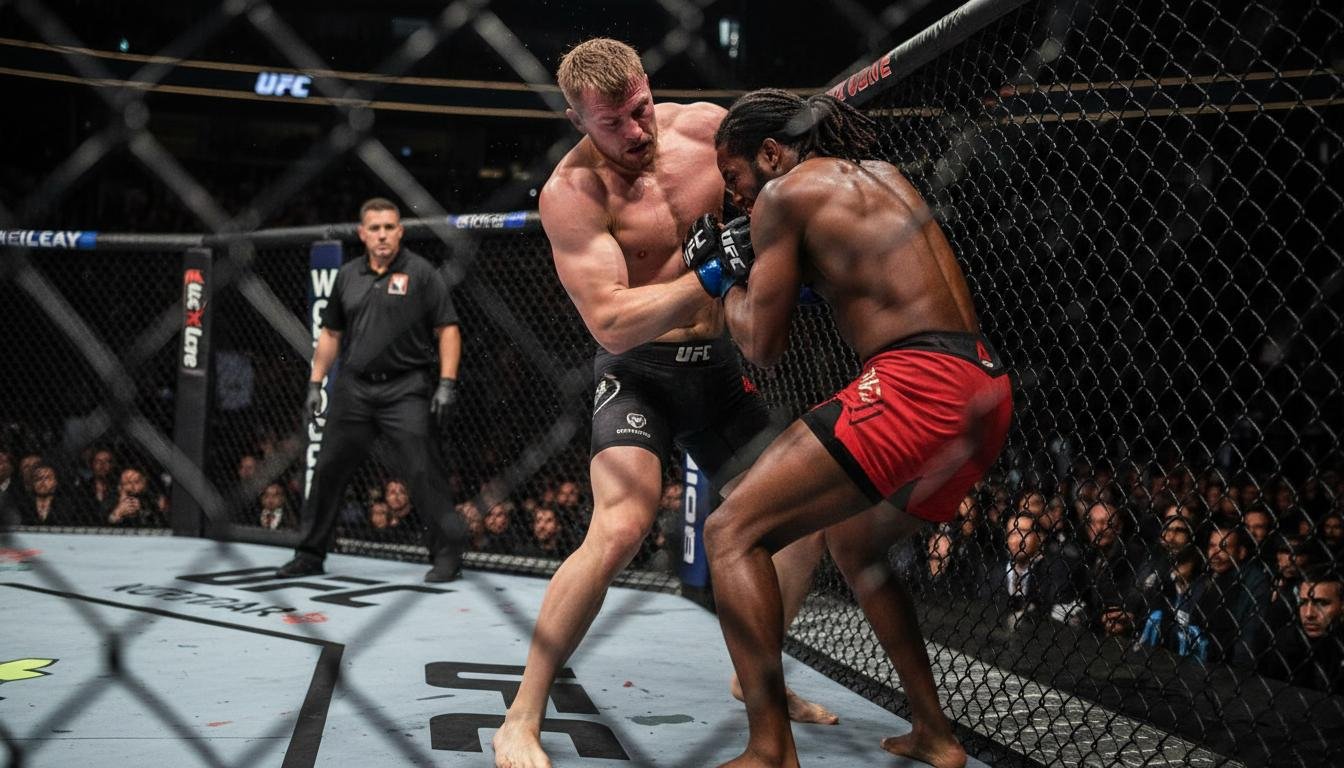
Fighting against the fence changes the dynamic of an MMA contest. Ring generalship shifts: momentum becomes more about pressure and positional control than about distance striking, and rounds scored by judges often reward octagon control and damage that’s hard to quantify into headline strike totals.
For bettors, that means the usual indicators — significant strikes landed or a fighter’s knockout power — are only part of the story. A wrestler who pins an opponent on the fence for two minutes can strip the center of the cage, drain cardio, and open the door for takedowns or short-range ground-and-pound that don’t always register as prolific striking numbers.
Key fighter traits to evaluate
Start with technical traits that correlate with successful fence work: the ability to secure underhooks, wrestle standing, and convert clinches into takedowns. Fighters who consistently win the clinch tend to have a toolkit that includes head position, lateral movement against the cage, and a repertoire of short elbows and knees that score between rounds.
Equally important are physical and psychological traits. Cardio determines whether sustained pressure will wear an opponent down or flip into exposure when the aggressor gasps. Mentality matters too: fighters comfortable in dirty boxing and scrambles will thrive; those who panic on the fence will concede position and invites reversals.
Traits to prioritize
Look for a history of takedowns and control time, not just takedown attempts. A high takedown attempt rate with poor conversion is a warning sign. Conversely, modest takedown numbers plus long control time signals someone who pins opponents on the fence and dominates position.
Takedown defense is the mirror trait; a vulnerable fighter who gets dragged to the fence every time they miss a jab creates consistent scoring opportunities for opponents. Also weigh clinch-strike success and submissions from the fence—fighters with a sequence of scrambles that end in submissions are high-value if the matchup funnels them into repeated fence exchanges.
Quantitative metrics to check before you stake
Data is your friend, but it must be the right data. The go-to metrics are takedown success percentage, takedowns per 15 minutes, takedown defense, average time in control, and significant strikes in the clinch. These numbers are available on reputable databases and form the backbone of pre-fight models.
Strike differential and significant strikes absorbed in short-range exchanges give context. A wrestler who gets hit a lot before securing the clinch may still win the fight by attrition, but a high damage intake per minute is a red flag against durable, powerful short-range strikers.
| Metric | Where to find it | Why it matters |
|---|---|---|
| Takedown accuracy | UFC Stats | Shows ability to complete trips once against the cage |
| Control time | UFC Stats | Direct measure of how long a fighter keeps opponents pinned |
| Significant strikes in clinch | UFC Stats | Helps value fighters who score in short-range exchanges |
| Takedown defense | UFC Stats | Indicates ability to avoid being smothered on the fence |
Pre-fight betting strategies
Pre-fight, the best angle often comes from identifying mismatches in skill sets that will naturally push the fight to fence engagements. If a wrestler with a high takedown conversion faces a boxer who habitually charges forward, expect clinch-heavy rounds. Odds can underprice that stylistic clash until the tape is replayed in betting markets.
Consider method-of-victory props that align with the fence dynamic. Submission and TKO via ground-and-pound props can pay well when a wrestler consistently lands and controls. Avoid overvaluing a boxer’s knockout rate if they have a pattern of being neutralized against the cage.
Live betting tactics while the fight leans to the fence
Live betting is where fence strategy really shines. Early-round observations—who takes the underhook, who lands the early body shots against the cage, who escapes without losing position—inform short-term momentum bets. Lines will shift faster than pre-fight markets once live evidence appears.
Look for the tempo of exchanges: if a fighter pins their opponent for sustained periods and the referee repeatedly resets them to the fence, that increase in control time is predictive of late stoppages and decision wins. Conversely, a fighter who answers fence pressure with clean counters or quick escapes reduces the value of fence-centric live bets.
Examples of live bets to consider
- Round winner when a fighter has sustained two full minutes of cage control early in the round.
- Next method prop (submission/TKO) in the late rounds if control time is increasing and the opponent’s activity drops.
- Hedged moneyline if initial favorites look stunned by early cage pressure—small stakes to capture favorable mid-fight swings.
Red flags and traps
Not every long clinch equals value. Some fighters are comfortable eating short strikes to secure position; the damage taken may influence judges differently across jurisdictions or lead to stoppages in later rounds. Beware fighters with high control time but low damage inflicted—judges may interpret cage time as control, but sportsbooks will price finishes differently.
Referee styles are an underrated trap. Some officials break clinches quickly; others let wrestlers work and reward control. If the assigned referee typically separates fighters often, the fence-specialist’s edge diminishes. Factor that in alongside the fighter’s historical performance under referees with similar tendencies.
Real-life examples and author experience
Watching Khabib Nurmagomedov’s fights provides a textbook case: relentless pressure, effective use of the fence to nullify range, and repeated scrambles that led to submissions or dominant decisions. Betting lines shifted dramatically in fights as soon as that pressure began, and live bettors who recognized the pattern were able to capture favorable odds late in rounds.
On a personal note, I once followed a mid-card wrestler whose pre-fight metrics showed modest takedowns but exceptional control time. I placed a small live bet on a late TKO when he pinned his opponent on the cage for consecutive rounds; the fight ended by ground-and-pound in the third. That win came from combining quantitative checks with attentive live observation—both are necessary.
Risk management and bankroll rules
Fence-centric fights are volatile. Short betting horizons and prop bets can be lucrative but also carry large variance. Use unit sizing and limit exposure: 1–2% of bankroll on speculative live plays and a slightly larger fraction for pre-fight bets that meet strict criteria.
Always shop lines across multiple sportsbooks. A small difference in implied probability becomes meaningful in the long run, especially for fighters who consistently drag opponents to the fence but don’t always finish. Line shopping and quick execution make the difference between a long-term edge and merely guessing with conviction.
Checklist before placing a bet
- Confirm takedown success and control time metrics on official stats.
- Watch recent fight footage to observe underhook usage, short strikes, and escapes.
- Check referee history for clinch handling tendencies.
- Assess cardio trend over the last three fights—does fence pressure increase late in fights?
- Line shop and size bets according to conviction and bankroll rules.
Where to find reliable data and expert commentary
For raw numbers, use the official UFC Stats database; it provides takedown rates, clinch strikes, and control time at the fight and fighter levels. For context and scouting, veteran reporters and analysts who break down technique and corner behavior add qualitative layers you can’t get from tables alone.
Combine quantitative sources with trusted journalists and show analysts to form a rounded view. Read pre-fight breakdowns, watch film, and monitor live corner adjustments—those real-time cues are where fence strategy bets either win or evaporate.
- https://www.ufcstats.com/ UFC Stats
- https://www.espn.com/mma/ Brett Okamoto, ESPN
- https://www.mmafighting.com/ Ariel Helwani, MMA Fighting
- https://www.sherdog.com/ Sherdog staff
Full analysis of the information in this piece was conducted by experts from sports-analytics.pro