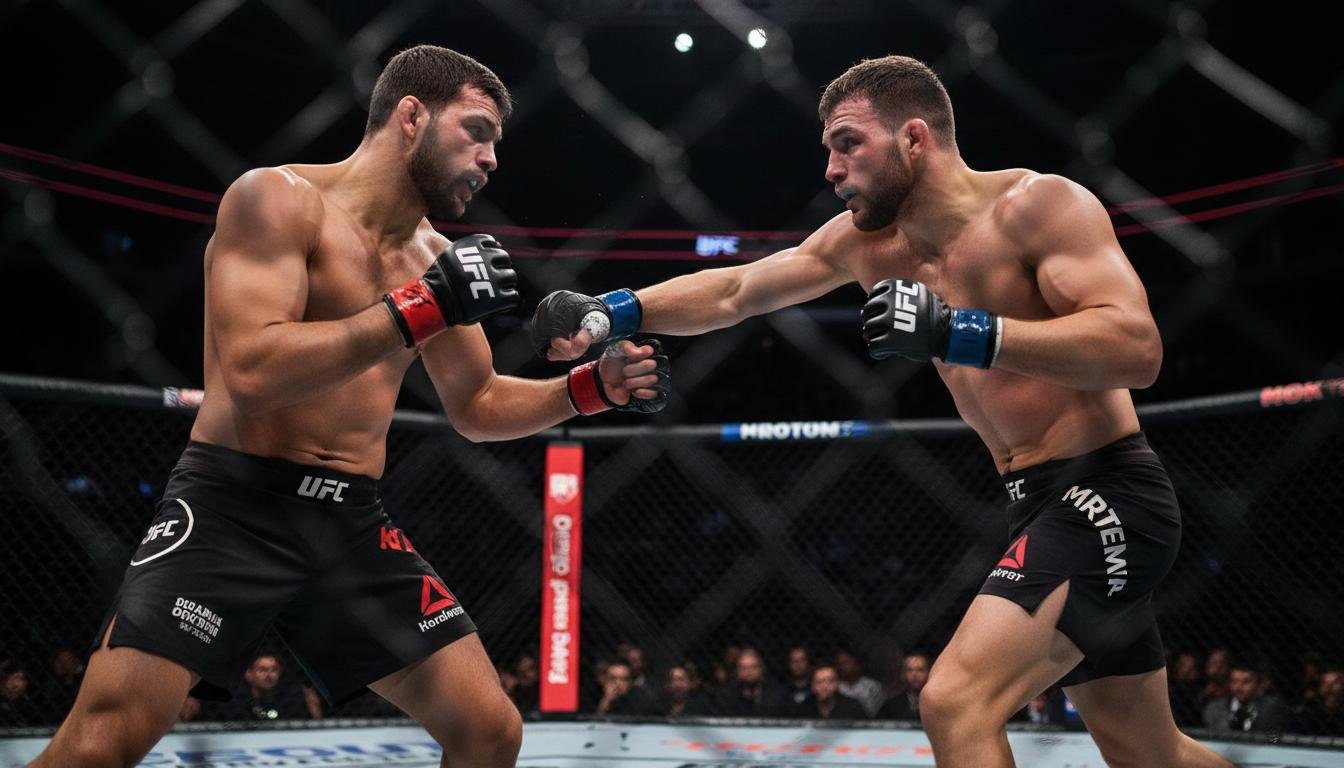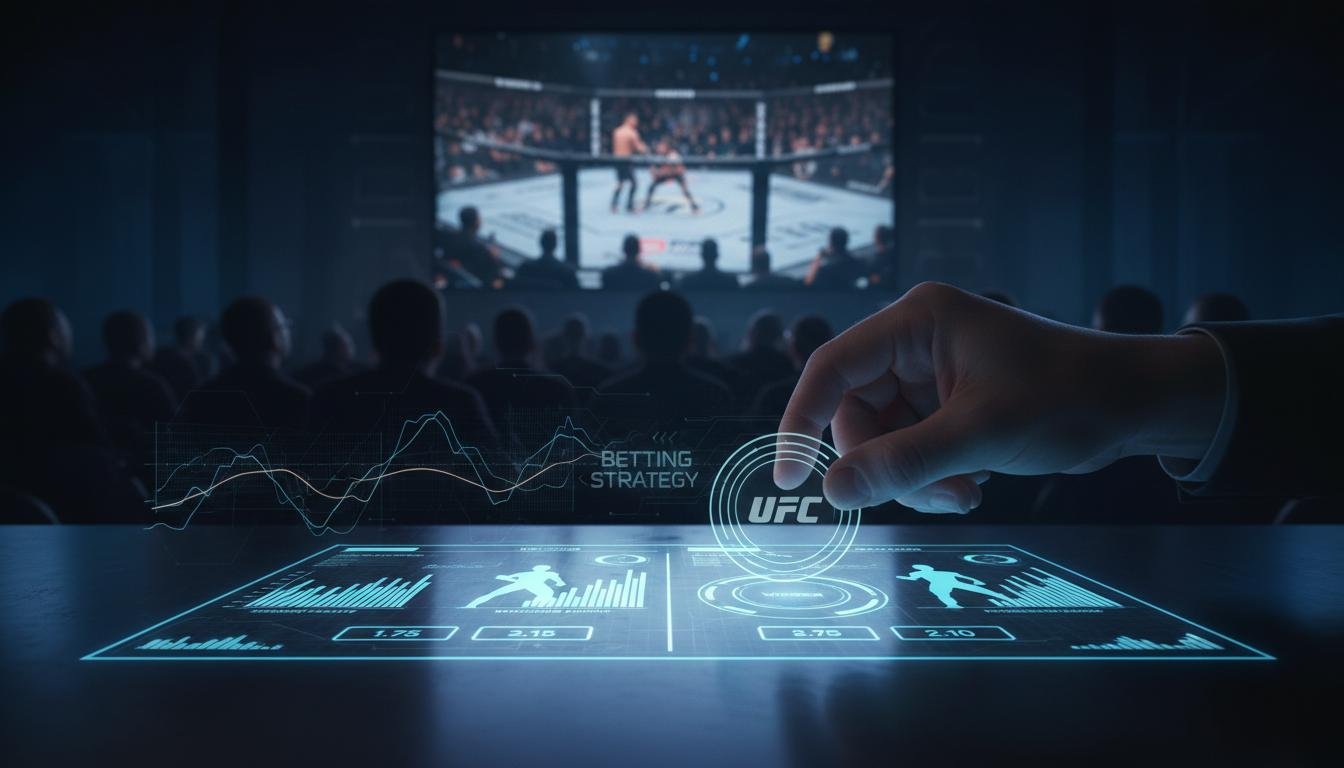
Betting on fighters who are built to win fast can be both exhilarating and hazardous. You’re chasing high-variance outcomes: a blink-and-you-miss-it knockout or an empty-handed decision that wipes out the stake. This article breaks down how to identify true first-round specialists, which markets reward their strengths, and the disciplined approaches that turn sporadic wins into an edge.
Understanding what “first-round” fighters really mean
Not every fighter who finishes quickly is a one-round specialist. Some have an aggressive style but gas out; others possess pinpoint timing and consistently end fights early. The first task is separating genuine first-round threats—fighters whose offense, timing, and fight plan are tailored to create finishes early—from those who merely open fast but don’t sustain effectiveness.
Look beyond highlight reels. A true first-round finisher combines measurable elements: a high knockout or submission percentage overall, a short average fight time, and repeatability against varied opponent types. Context matters: opponent skill, fight incentives, and even short-notice dynamics can turn a probable first-round finish into a deeper fight.
Key metrics to evaluate before placing a wager
Data is the odds-maker’s language. The core metrics to review are finish rate (percentage of fights ending in KO/TKO or submission), average fight time, strikes landed per minute in the opening round, takedown success in round one, and opponent durability metrics such as strike absorption and recovery history. These combine to form a reproducible profile rather than a gut-based pick.
Pay attention to split metrics for round one specifically. Some fighters have mediocre overall finishing stats but an unusually high percentage of finishes in the first five minutes. Cross-referencing these with opponent styles—strikers, wrestlers, grapplers—reveals matchup edges where a short, violent opening favors the attacker.
| Metric | Why it matters |
|---|---|
| First-round finish rate | Direct indicator of early finishing ability; shows repeatability. |
| Average fight time | Indicates whether finishes are frontloaded or late. |
| Strikes landed (R1) | Measures opening round activity and accuracy under initial pressure. |
| Takedown success (R1) | Shows whether a fighter can immediately impose grappling to end a fight. |
Which betting markets suit first-round specialists
Not all markets are created equal for these fighters. The simplest and often most profitable choices are round props—betting on a fight to end in round one—or moneyline bets when the odds reflect the finisher’s profile. First-round parlay legs can offer shimmeringly attractive returns, but they multiply variance and require smaller bet sizing.
Consider alternative markets too: method-of-victory props (KO/TKO vs. submission), round-over/under (e.g., will the fight end before 2:30 of round one), and live betting in the opening minute. Live markets can be gold for first-round fighters because early visual cues—distance control, head movement, and opponent reaction—often reveal the fight’s trajectory before bookmakers adjust prices fully.
- Round one finish prop: highest leverage for a true first-round finisher.
- Moneyline (pre-fight): use when odds undervalue the finisher’s matchup edge.
- Method props: good when a fighter has a clear preference (e.g., knockout artist).
- Live bets: fast reaction and clear rules on streaming delay are crucial.
Step-by-step strategy for placing educated bets
Start with a pre-bet checklist. Confirm the fighter’s recent first-round finish history, review opponent durability, check any changes in weight cut or camp, and scan the fight week for injuries or strategic changes. If the matchup still favors an early finish, evaluate odds across books to find value rather than betting your instinct on the first number you see.
Size bets according to probability edge, not desire. If your model—simple or complex—gives a 30% chance of a round-one finish but the sportsbook implies 20%, that’s value. Use a fractional Kelly approach or flat-percentage staking to avoid volatility wiping out your bankroll. Discipline matters more here than in many other markets because first-round bets have short payoff windows and high variance.
When going live, have a plan for the opening sixty seconds. If your bet hinges on a certain early sequence—pressure leading to a clinch or a standing exchange forcing a stoppage—watch for those triggers. If they don’t occur and you’re able to hedge at reasonable odds, do so sparingly; hedging can conserve capital, but it also reduces long-term ROI if overused.
- Pre-bet: check metrics and matchup nuances.
- Shop for the best odds; use multiple books.
- Stake according to edge; apply bankroll rules.
- Live: act on early indicators, but avoid emotional hedging.
Risk management and bankroll discipline
First-round strategies are inherently high-variance. Expect long losing streaks interspersed with big wins. The solution isn’t superstition; it’s math—define a maximum percentage of your bankroll you will risk on any single round-one prop. Many experienced bettors limit such wagers to 1–2% of bankroll unless the edge is extreme and quantifiable.
Diversify across correlated events cautiously. Parlays centered on multiple first-round finishes inflate potential returns but also correlate outcomes tightly—if a card heads unexpectedly defensive, multiple legs fail together. Balance your book: pair high-variance first-round bets with lower-variance wagers elsewhere to stabilize drawdowns.
Real-life examples and practical lessons from the betting desk
In my early days placing props I chased flashy KOs after highlights and lost money. The turning point came when I switched to a data-first routine: cross-checking first-round strike rates with opponent chin durability. That single change moved my win rate on early-finish props from luck-driven to model-driven and dropped my variance without killing upside.
Another practical lesson: fight-week intel matters. A camp report that a fighter tweaked their gameplan toward a more measured approach can kill first-round expectations, even when statistics favor a quick finish. Conversely, noticing an opponent took a short notice fight or missed weight can boost the first-round edge substantially. Betting isn’t just numbers; it’s context paired with numbers.
Common pitfalls and how to avoid them
One frequent mistake is overvaluing highlight-reel finishes. Viral first-round KOs skew perception; a single spectacular knockout shouldn’t outweigh a record of three-round decisions. Anchor your judgments in multivariate metrics rather than single flashy clips.
Another trap is ignoring matchup styles. A striker with excellent first-round KO numbers may struggle against a fighter who forces grappling early. Always model opponent styles and street-level realities like reach, footwork, and cardio. This habit separates casual picks from repeatable profitability.
- Avoid relying solely on highlight clips.
- Model opponent style interaction, not just fighter stats.
- Shop lines; small edge differences matter with high variance bets.
Tools, data sources, and experts worth following
Reliable data platforms should be the backbone of your process. UFCStats provides round-by-round breakdowns and finishing rates; odds aggregators like OddsPortal show market consensus and sharp money indicators. For analytical framing, follow sports-betting researchers and statisticians who publish transparent methods rather than hot takes.
Complement raw numbers with fight-film study. Watching the first minute of a fighter’s past bouts often reveals patterns that the stats gloss over—how they set up the first shot, their corner instructions when things go wrong, and their reaction to getting clipped. Combine quantitative signals with qualitative film study for the best results.
Putting it into practice: a weekly routine
Build a short checklist you run before every card: verify the latest stats, skim fight-week reports, compare market odds across books, and note any live-betting opportunities if you plan to act during the fight. Maintain a log of every first-round bet with rationale and outcome to refine your model over time.
Over months you’ll learn which lines you consistently beat and which you should avoid. The goal isn’t to win every bet; it’s to create a repeatable process where the expected value is positive and your bankroll management smooths out the variance. That steady discipline lets you capitalize when the market misprices true first-round specialists.
Sources and expert references used in this article:
Full analysis of the information was conducted by experts from sports-analytics.pro