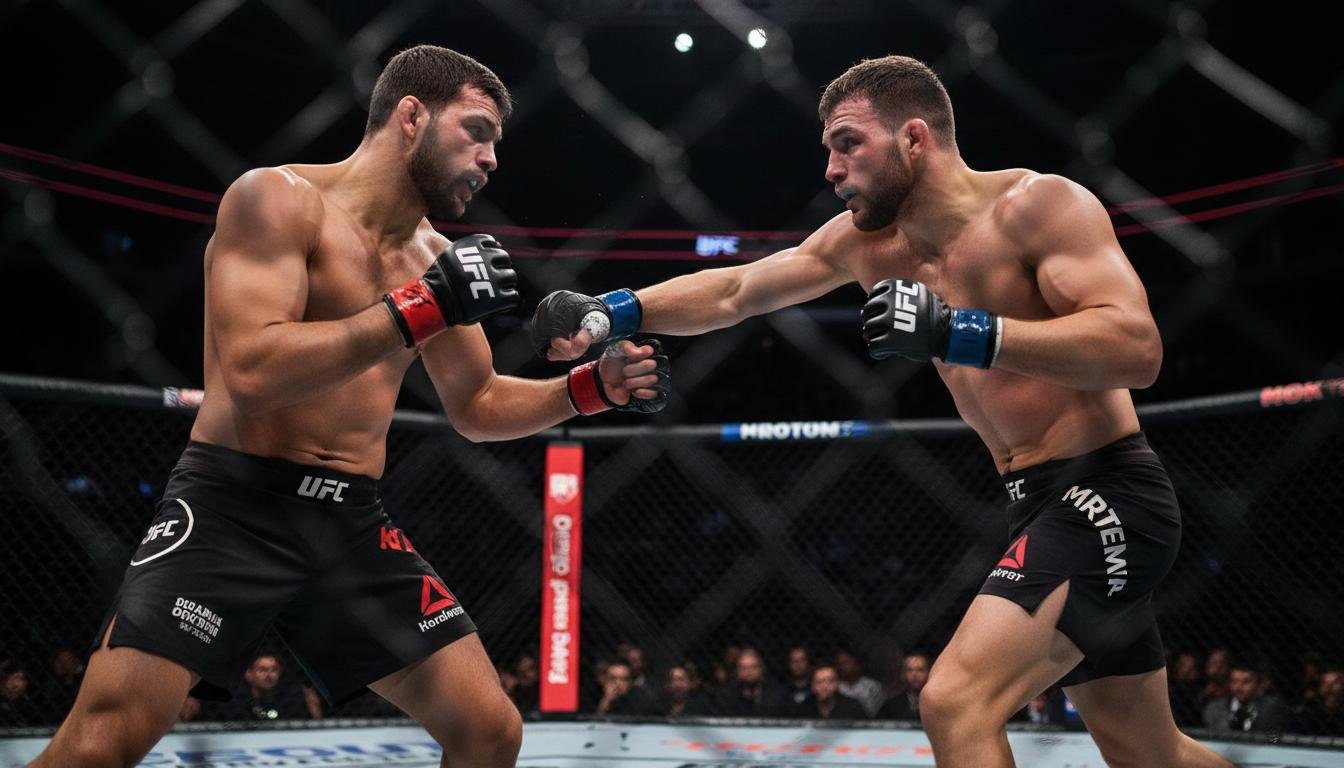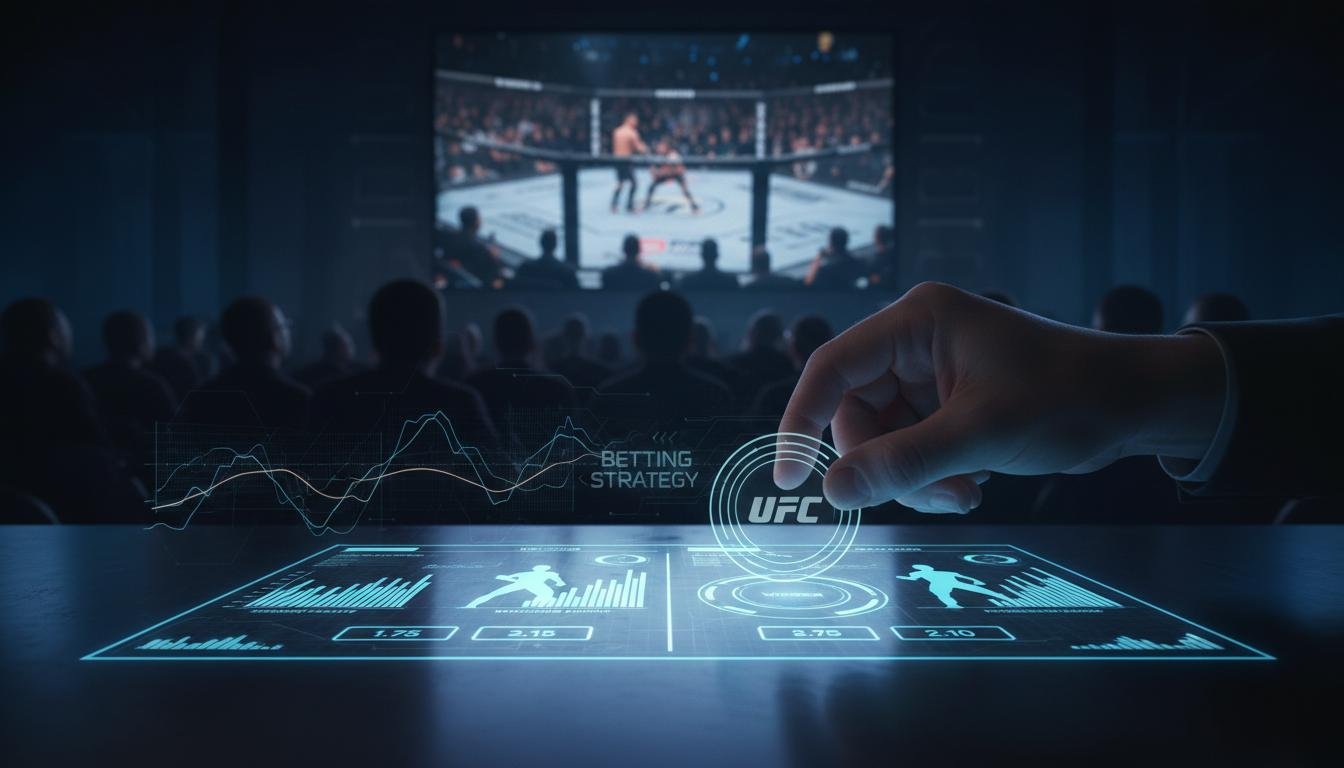
Short-notice fights are the chess moves that change an entire UFC card overnight: a replacement steps in, odds swing, and onlookers scramble to reassess. If you bet on MMA, these moments are opportunities and traps at the same time—opportunities for edges and traps that eat bankrolls. This article walks through a practical, experience-driven approach to weighing those sudden matchups and placing smarter bets when time is tight.
Why short-notice fights shift the betting landscape
When a fighter accepts a bout on short notice, the public and bookmakers both recalibrate. Bookmakers update lines to reflect immediate information—training status, travel, medical clearances—and the books often widen until sharper money appears. That gap between bookmaker reaction and sharp reaction creates a window for informed bettors.
Not every replacement changes the competitive balance in the same way. A late sub who fights at a natural weight with a full, recent camp can be less risky than a last-minute entrant stepping up multiple weight classes or taking an opponent with opposite strengths. Context matters more than the headline.
How odds are created and where short notice breaks expectations
Lines start with implied probability from power rankings, recent form, and matchup specifics. For short-notice fights, bookmakers give extra weight to uncertainties: medical issues, travel fatigue, and whether the replacement has fought recently. That uncertainty often inflates the favorite’s price or overcorrects in the opposite direction.
Public bettors react differently than sharps. Casual money tends to follow names, not nuance—if a recognizable fighter is announced as an underdog taking a fight on days’ notice, public sympathy bets can create value elsewhere. Experienced bettors look for those dislocations, not just the headline.
Checklist: what to evaluate the moment a short-notice fight is announced
A rapid but methodical review beats impulse bets. The core questions: Was the replacement competing recently? Is the fight at a comfortable weight? How do styles match up? What logistical hurdles—travel, weight cut, commission paperwork—exist? Answering these quickly filters out most bad bets.
Below is a concise checklist you can use in the first 10–30 minutes after an announcement. It prioritizes the elements that typically swing outcomes and lines.
| Factor | Why it matters | Priority |
|---|---|---|
| Recent fight activity | Indicates conditioning and fight rhythm | High |
| Weight differential and cut difficulty | Short cuts increase health risk and weight-miss chance | High |
| Stylistic matchup | Timing and style advantages don’t vanish with short notice | Medium |
| Travel and acclimation | Jet lag and time-zone shifts sap performance | Medium |
| Training partner quality | Good sparring mitigates short prep | Low |
Practical strategies for staking when lines move fast
Always size bets relative to the added uncertainty. If you normally bet 2–3% of your bankroll on a comfortably analyzed fight, consider halving that exposure for a short-notice wager unless you have strong, unique information. Short-notice markets are more volatile; proper sizing prevents volatility from destroying long-term growth.
Another technique is splitting stakes across markets rather than piling on a single outcome. For the same fight, place a small bet on the moneyline and a smaller, correlated prop—like fight going to decision or a specific method—so one outcome hedges the other. This reduces variance while preserving upside.
When to back the favorite
Favorites on short notice are often priced with the idea that the replacement is underprepared. Use favorites only when the favorite’s advantages are structural: massive reach and grappling advantage, a demonstrable history of finishing short-notice opponents, or a matchup where the favorite can dictate range without overextending. Otherwise, favorite backing becomes a value trap.
Watch for favorite overexposure in markets where the public overvalues name recognition. If a well-known fighter is clearly better on paper but has questionable cardio or consistent weight issues, the odds might already reflect less than they should. Avoid reflexively supporting the favorite without matchup context.
When to back the replacement underdog
Underdogs on short notice deserve attention when they have recent fight miles, stylistic advantages, or minimal weight cut stress. A last-minute striker stepping in against a grappler who struggles with striking defense is a classic mispriced scenario. Small, disciplined stakes on these plays can pay out handsomely.
Find replacements who either maintain their optimal weight or move up slightly—these fighters often avoid the draining weight cut and come in fresher. Also prize experience; a veteran short-notice sub with a diverse skill set and calm touring experience is worth a larger portion of your short-notice bankroll.
Style, matchup analysis, and what short prep doesn’t change
Styles are the part of fight analysis that rarely breaks under hurried circumstances. If a replacement’s style directly counters the opponent’s weak area, prep time matters less. For example, a wrestler with a strong clinch game can disrupt a striker even without an eight-week camp if the opponent has shown difficulty defending takedowns historically.
Conversely, game plans that require complex strategy and conditioning—high-volume pressure striking or multi-phase wrestling transitions—are more vulnerable to short-notice disruption. Distinguish between innate style advantages and sophisticated game plans when assessing the edge.
Weight cuts, commissions, and the practical risks
Weight makes fights. A short-notice fighter who must cut significant weight in a few days is a red flag. Rapid cuts increase the likelihood of missed weights, severe dehydration, and diminished performance. Look for weigh-in reports from reliable reporters quickly; commissions sometimes delay or cancel bouts if safety looks compromised.
Commission policies and last-minute medicals can alter or cancel fights without warning. That makes early betting risky if a fight’s confirmation hinges on a medical or visa issue. If you want to act early, reduce size or use betting platforms with good cash-out or refund policies in case of cancellation.
Live betting: where short-notice edges often appear
Live markets can reveal how prepared a replacement actually is. Watch the first round for energy levels, reaction time, and mobility. Live odds often overreact to early chaos, giving bettors with discipline a chance to lock in value when the market stabilizes. A replacement who looks surprisingly fresh can have odds shorten dramatically—catch those swings if your live staking rules are strong.
But live betting also magnifies emotion. Many bettors chase quick losses or overcommit after a fluke exchange. Keep clear, rule-based live strategies: define stop-losses, profit targets, and maximum live stake sizes before the bell rings and stick to them.
Using data and reputable sources under time pressure
UFCStats and fighter records are your first stop for objective measures: recent activity, significant strikes landed, takedown defense, and fight length averages. Those numbers help you quantify whether a replacement’s style can exploit a matchup. Use them quickly and decisively, not as a way to overanalyze every minor metric.
Trusted journalists and promotion updates supply context: travel issues, late injuries, or training partner anecdotes that raw stats miss. Follow a few reliable reporters and outlets so you can ingest verified facts fast rather than chasing rumors on social feeds. Quality over quantity saves time and improves decisions.
Personal experience: a short-notice bet that taught me discipline
I once backed a last-minute striker who stepped in for a veteran grappler with two weeks’ notice. The public loved the name, and the line tightened quickly. I took a small underdog stake based on the striker’s recent activity and finish rate; he won by first-round TKO. The payoff taught me two things: size your bets to reflect uncertainty, and document why you placed the wager so you can learn regardless of outcome.
Equally instructive was a loss when I ignored travel timing. A replacement flew across time zones with less than 48 hours to acclimate; he was slow and lost decisively. That loss forced me to add travel and acclimation to my instant checklist, which has paid off since.
Tools, resources, and where to look first
Start with these resources in this order: official stats (UFCStats), commission and promotion announcements, respected MMA reporters, and sportsbooks’ market depth. If you use additional analytics platforms, verify their methodology and cross-check critical numbers against official data.
For prop markets and live adjustments, sportsbooks with deep markets and transparent liquidity give better pricing. If you use betting aggregators or line trackers, ensure they update within minutes—short-notice opportunities evaporate quickly when lines move.
Final practical tips for consistent short-notice betting
Keep a short-notice playbook: a one-page checklist, pre-determined staking rules, a list of trusted reporters, and a few go-to stats. When adrenaline hits after a late announcement, that playbook prevents impulsive mistakes. Simplicity and discipline are your allies in these fast markets.
Finally, treat short-notice opportunities as a supplement, not the core of your betting plan. They can offer periodic edges, but consistency comes from steady, repeatable edges across many events. Use short-notice plays to add value, not to chase volatility.
Sources and expert references used in this article:
- UFCStats — Official UFC statistics and fighter profiles (ufcstats.com)
- Brett Okamoto — ESPN MMA reporting and analysis (espn.com)
- Marc Raimondi — MMA Fighting news and fighter reporting (mmafighting.com)
- Mike Bohn — MMA Junkie event coverage and weigh-in reporting (mmajunkie.usatoday.com)
- The Action Network — Betting analysis and market-driven MMA pieces (actionnetwork.com)
- Sherdog — Fighter histories and news (sherdog.com)
Full analysis of the information was conducted by experts from sports-analytics.pro