Betting on how a fight ends is one of the most thrilling — and technically demanding — parts of wagering on mixed martial arts. Method markets (KO/TKO, submission, decision, sometimes DQ or draw) pay differently than simple moneylines, and they require a different blend of stylistic reading, numbers, and timing. This article walks through the practical tools, tactical patterns, and discipline you need to approach method bets with an edge.
Understanding method-of-victory markets
Method markets give you choices beyond which fighter will win. Bookmakers split the universe of outcomes into categories that reflect finishing styles: knockout (KO/TKO), submission, and judges’ decision. Each market carries its own volatility and typical pricing patterns that smart bettors can exploit.
Odds for methods are driven by a few observable features: each fighter’s historical finishing rates, the matchup’s stylistic profile, and market money flow. Understanding how sportsbooks aggregate those signals into lines is the first step toward finding value, because bookmakers are conservative in markets with high variance and tend to inflate prices for low-frequency events.
Method bets differ in implied probability and vig from moneylines. For example, a favorite with high knockout power might have a modest negative moneyline, while the KO/TKO market could inflate to capture that power’s scarcity. Recognizing when the propaganda of a highlight reel inflates an outcome’s price is crucial.
How bookmakers structure method markets
Bookmakers typically price methods using a combination of statistical inputs and expected market behavior. They start with each fighter’s rates — striking accuracy, significant strikes absorbed, takedown success, submission attempts, and finishes per 15 minutes — then adjust for matchup context and public perception. The resulting odds reflect both statistical expectation and the bookmaker’s risk-management choices.
Margins are often wider on methods because the sample sizes for specific outcomes are smaller and the variance is higher. That means the bettor needs either a strong informational edge or disciplined staking to overcome the extra juice. Look for methods where your research produces a materially different probability estimate than the market’s implied probability.
Live-market adjustments also matter. Lines for method bets can shift dramatically after weigh-ins, announced injuries, or when public money pours onto a favorite. Having a plan for when to act — pre-fight, post-weigh-ins, or in-play — is part of treating method bets like a trading decision rather than a speculative toss.
Data points that matter most
Not all stats are equally useful for predicting how a fight will finish. I prioritize finishing frequency, defense metrics, and the distribution of finishes across rounds. Finishing frequency tells you what a fighter is capable of; defense metrics tell you how vulnerable they are; round distribution helps map whether a finish is likely early or late.
Key numbers include significant-strike differential, knockdown rate, takedown accuracy and defense, submission attempts per 15 minutes, and fight pace (strikes per minute). Cross-referencing these with contextual data — opponent quality, recent layoffs, and training-camp news — refines the picture. A high submission attempt rate against opponents who defend takedowns well is less meaningful than the same rate against weak takedown defenders.
Film study remains indispensable. Numbers show tendencies; footage shows execution. Two fighters can share a 50% takedown-success stat, but one might score sloppy, predictable takedowns while the other chains entries off feints and clinch work. That qualitative difference is often the gap between a market that’s fairly priced and one with exploitable value.
A practical checklist before placing a method bet
Make a short checklist you use on every fight: finishing rate for both fighters, defensive weaknesses, recent activity (ring rust), late-notice replacements, and any stylistic matchup edge. Use the checklist to force discipline and avoid overrating hype moments. This sequence keeps your decisions rooted in consistent criteria rather than gut reaction.
Here’s a concise checklist I use: 1) Are both fighters prone to finishes? 2) Does one fighter present a glaring defensive hole? 3) Is the fight likely to go to the later rounds based on pace and cardio data? 4) Has anything changed since the line opened? Answering yes to at least two of these increases the chance a method bet is justified.
Over time your checklist can become a quick filtering mechanism: it eliminates the majority of method markets where edges are tiny and highlights the few where a deeper, profitable read exists. Be ruthless about declining bets that don’t meet your threshold.
Stylistic matchups: when methods become predictable
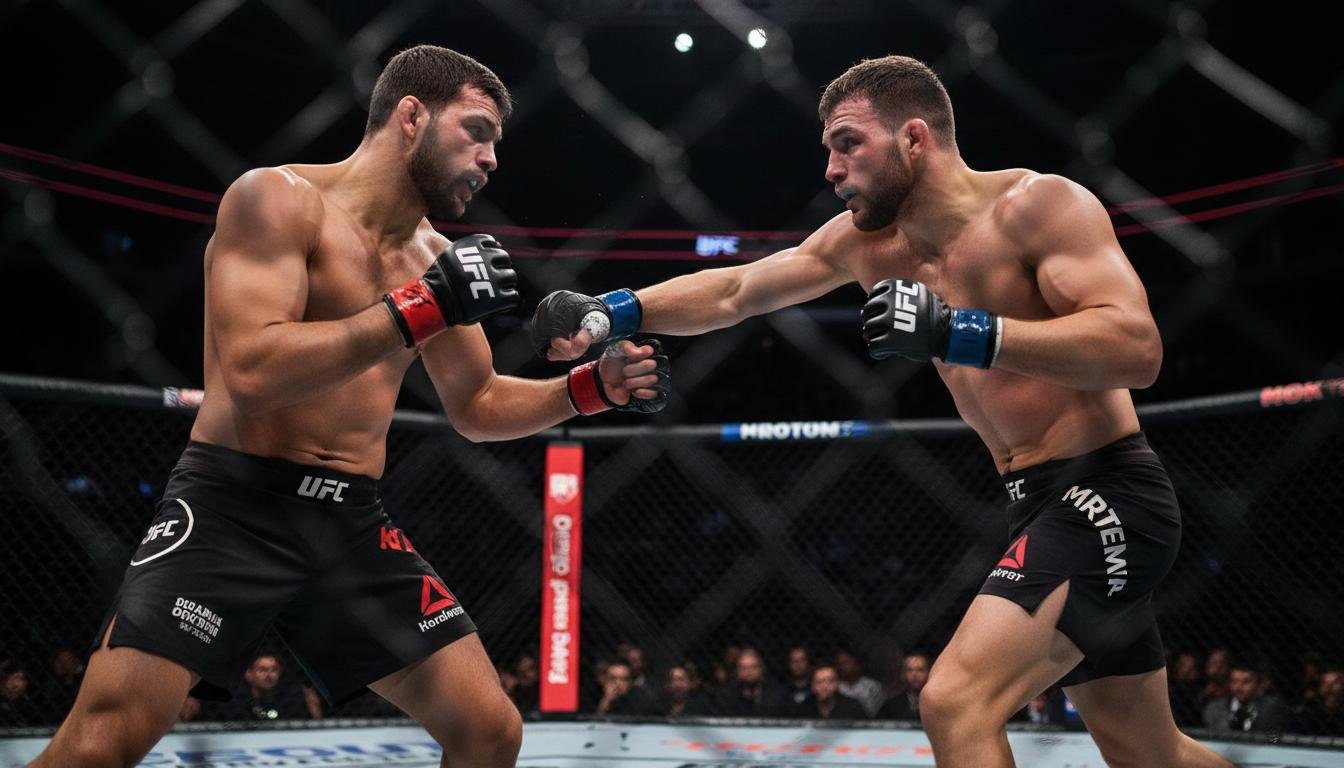
“Styles make fights” is a cliché that actually holds empirical weight in method markets. Aggressive, pressure strikers who leave their chin exposed create KO opportunities. Chain wrestlers who can impose top control generate submission and ground-and-pound chances. The essence of method handicapping is mapping these stylistic interactions to likely outcomes.
For example, a wrestler with a high takedown rate against a striker who has poor takedown defense pushes the probability toward a ground finish or a decision dominated by top control. Conversely, a striker with elite knockout power and superior reach against a less mobile opponent pushes the market toward a KO/TKO outcome. Recognize which element dominates the matchup and lean into that method when odds are attractive.
But avoid simplistic boxes. Some strikers are exceptionally durable; some wrestlers lack finishing instincts. Those exceptions are where you find value. I’ve won several small, high-return method bets by backing a durable striker to take an underappreciated decision over a wrestler who punts for risky finishes.
Round tendencies and timing your bets
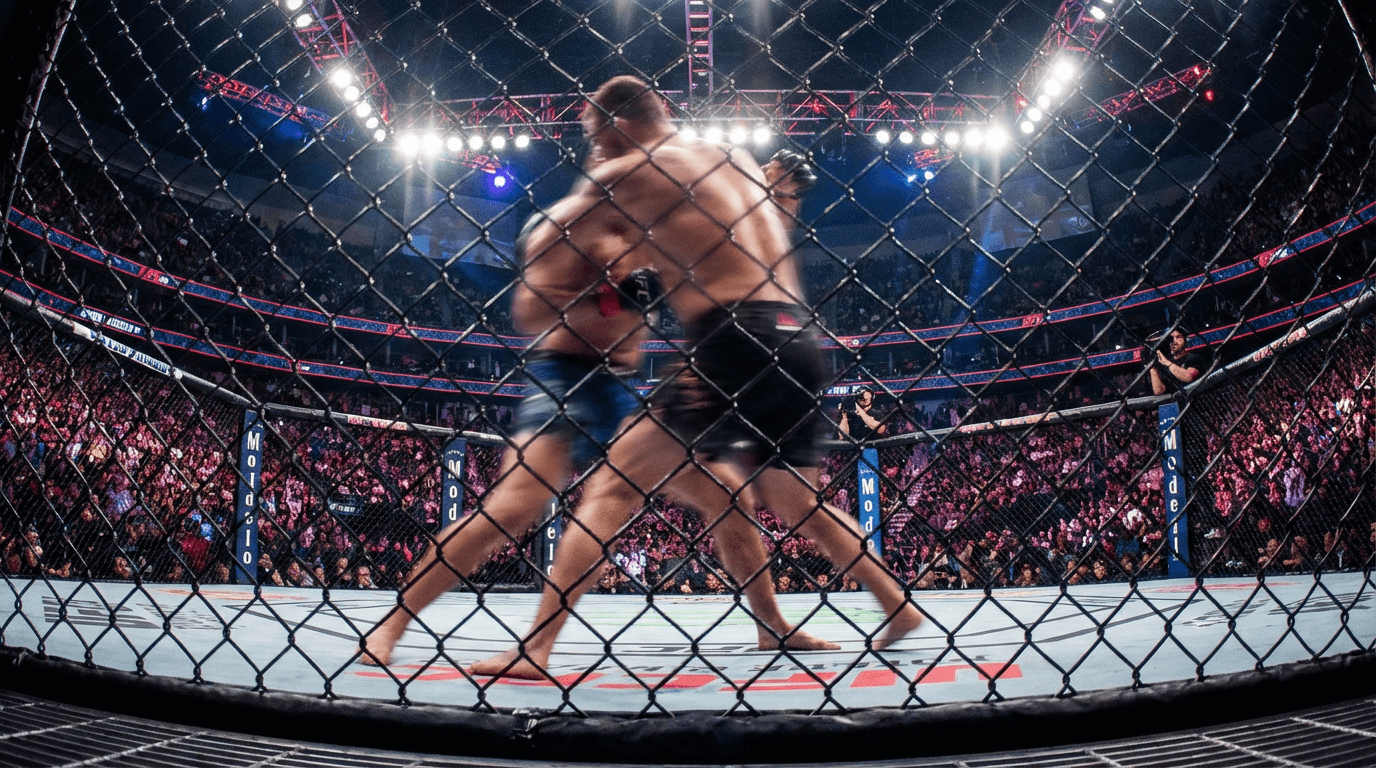
Understanding which rounds finishes typically occur in makes a difference when you consider round-specific props or when to place a pre-fight wager. Knockouts cluster early when striking is crisp and athletes are fresh; submissions often rise in later rounds as fatigue and positional scrambles create openings. Decision probabilities creep up when both fighters control pace and avoid risk.
Betting early-round KO/TKO for two explosive strikers can be smarter at opening or early lines, because late sharps and public money push those odds quickly as narratives form. On the other hand, if both fighters show high work rates and tight defense historically, a decision prop at decent odds can offer value — especially in five-round main events.
When assessing round timing, add camp reports and recent weight-cut notes. Fighters who struggle to make weight or show up drained are more likely to wilt late, enhancing submission and late-KO chances. Those contextual signals often move faster than the numbers themselves.
Advanced tactics: finding and exploiting mispriced lines
The most reliable edges come from markets where you can quantify a divergence between your probability estimate and the implied market probability. That requires converting American odds to implied probability, adjusting for vig, and building a small model or spreadsheet to track your estimated probabilities across method markets. This is where discipline and arithmetic beat gut feelings.
One practical technique is to compare implied probabilities across correlated markets. If a fighter’s KO/TKO probability implies a 20% chance and the submission market implies 5%, yet that fighter frequently mixes power and submission attempts, the split may be inconsistent. Correlated markets should roughly add up to the moneyline probability; large mismatches can indicate mispricing.
An additional tactic is to watch line movements and public betting percentages. Heavy public money on a favorite’s KO line with little expert backing can inflate that outcome. Conversely, sharp money pushing a submission line longer might signal a quiet analytical edge to follow. Use these signals conservatively and always cross-check with your data.
| Method | When it’s plausible | Key indicators |
|---|---|---|
| KO/TKO | Explosive striker vs. defensive chinks | High strike differential, knockdown rate, low durability metrics |
| Submission | Wrestler/submission specialist vs. weak submission defense | High TD success, submission attempts, opponent’s subs allowed |
| Decision | Even matchups or fighters with high defense | High defense numbers, low finishing rates, slow pace |
Live betting and scalping method markets
In-play markets offer opportunities when the live picture reveals information the pre-fight numbers missed: a compromised fighter, a takedown-heavy strategy that’s working, or a visible cardio collapse. Live odds often lag reality, especially after dramatic moments like a hard knockdown. Quick recognition and fast execution can capture value.
Scalping during the fight — taking a small pre-fight decision at +300 and selling in-play to lock a profit after two rounds of dominance — is a viable tactic for disciplined bettors. It requires low latency access to lines and strict trade rules, but it reduces variance compared to holding a full speculative stake to the final bell. I’ve used this approach to protect profits on small stakes multiple times.
Keep in mind live methods are messier: sportsbooks widen spreads, and some markets suspend after certain rounds. Know the platform’s rules and limits before trying to employ live-method tactics at scale.
Bankroll, staking, and psychological discipline
Method markets are high-variance; your staking needs to reflect that. Use smaller unit sizes for method bets than for straight moneylines if your models are less certain. A typical guideline is to treat methods as half-units or even quarter-units relative to your base unit when the implied edge is modest.
Always size stakes according to edge. If your estimated probability exceeds the market’s implied probability by a meaningful margin — the larger the better — increase size proportionally. Resist the temptation to chase losses with oversized method bets after a run of bad luck; volatility is part of the business and discipline wins in the long run.
Record every bet with a short rationale and outcome. Over months you’ll see which flavors of method bets you predict best — perhaps early KOs, or late submissions — and you can tilt your portfolio toward those strengths. Personal data beats generic rules; treat your ledger as a training set for future bets.
Common traps and how to avoid them
Avoid three frequent mistakes: overreacting to highlight reels, underweighting defensive stats, and betting late without fresh information. Highlight-reel finishes are memorable and sway public money, but they don’t always change a fighter’s baseline probability materially. Defensive statistics are often undervalued despite being strong predictors of method outcomes.
Another trap is betting methods on long layoffs without accounting for ring rust. Layoffs increase variance and should usually reduce stake size unless there’s positive evidence of an excellent training camp. Also, single-outcome parlays mixing several method legs multiply variance and are rarely justified unless each leg carries real value.
Finally, guard against hubris. Even the best-prepared bettors will be wrong often in method markets. The goal is to be right more often than the market implies over time, not to predict every finish. Humility and consistent process protect your bankroll and your psychology.
Putting it into practice: an example workflow
Start with the checklist and stats scrape: finishing percentages, knockdown rates, takedown metrics, and submission events. Watch a round or two of recent fight film for each fighter, focusing on execution rather than highlight sequences. Synthesize those inputs into a probability estimate for each method and compare it to the market after converting odds to implied chance.
If your estimate beats the market by your threshold — for instance, a 5% absolute edge after vig — place a stake sized to your unit plan. If you’re trading live, predefine profit targets and stop-loss rules before you enter. After the bout, log the result and the gap between your estimate and market outcome; this iterative loop is the heart of improving predictive accuracy.
My personal approach mixes pre-fight and selective live bets. I avoid speculative multi-leg method parlays and favor single-leg value or short hedged trades. Over time, the combination of quantitative checks and regular film study has been the most reliable path to positive expectation for me.
Method markets reward patience, rigour, and the willingness to lose small and learn fast. If you build a repeatable process, keep disciplined staking, and let the numbers guide your instincts, method betting can be a productive part of a broader MMA wagering strategy. The market is noisy, but well-prepared bettors can still find pockets of clarity and profit.
Sources and experts used
- UFC Stats — https://www.ufcstats.com
- Action Network — https://www.actionnetwork.com
- OddsPortal — https://www.oddsportal.com
- MMA Decisions — https://mmadecisions.com
- ESPN MMA (Ariel Helwani coverage) — https://www.espn.com/mma
- Sherdog — https://www.sherdog.com
Full analysis of the information in this article was conducted by experts from sports-analytics.pro