Betting on a fight’s winner is part art, part arithmetic. In mixed martial arts, outcomes are influenced by styles, physical traits, and human unpredictability, so a disciplined approach separates hobby wagers from repeatable profits. This article walks through practical, data-driven strategies for picking winners without pretending there’s a magic formula.
Understanding what you’re actually betting on
When you back a fighter to win you’re buying a simple proposition: that athlete will finish the fight or be awarded the decision. Odds reflect bookmaker money, public sentiment, and sharp action, not just who is “better.” Recognizing that difference is the first step toward finding value.
Books set lines to balance liability and protect margin, so favorites often carry a price that underrepresents their true edge. Your job is to estimate the real probability of each outcome and compare it to the implied probability the market assigns—this is the essence of value betting.
Key pre-fight metrics that matter
Not all stats are equal. Minutes inside the octagon, recent form, finishing rates, and method-of-victory splits (KO/TKO, submission, decision) are high-value signals. Context matters: a 70% takedown defense statistic means little if it was accumulated against opponents who don’t wrestle.
Physical advantages—reach, height, and significant strikes per minute—help build a framework, while age and ring rust influence stamina and recovery. Combine raw numbers with film study: the data tells you what happened; video tells you how and why.
Important metrics and how to weight them
Here is a compact checklist to prioritize when assessing a match-up: activity, finishing ability, grappling vs. striking balance, cardio indicators, and recent competition level. A fighter with higher output but poor accuracy might still control rounds; a counter-striker with one-punch power can end the fight despite low volume.
Use the following small table as a working guide to weight metrics relative to the betting decision. These are starting points, not rigid rules—adjust based on matchup peculiarities.
| Metric | What it indicates | How to use it |
|---|---|---|
| Significant strikes/Min | Offensive activity and pace | Favor against low-output opponents; watch accuracy |
| Takedown average & defense | Control and ground threat | Crucial vs. wrestlers; can predict decision control |
| Finishing rate | Ability to end fights | Important for underdog bets where finish probability is mispriced |
| Recent fight minutes | Stamina and recovery | Higher minutes against top competition can be positive |
Reading lines and finding value
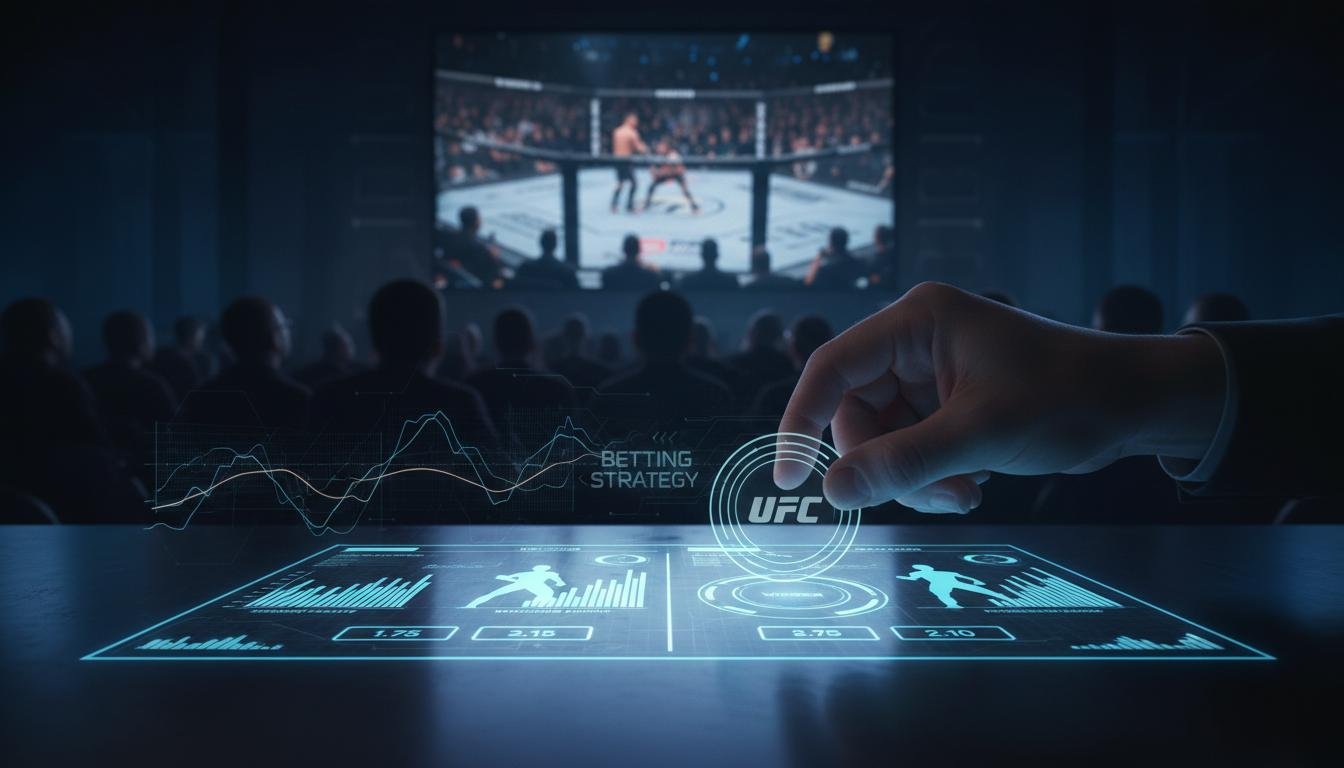
Converting odds to implied probabilities is straightforward: underdog and favorite labels matter less than the number. If a fighter is -200, the implied probability is roughly 66.7%; if your model estimates 75% the bet has value. Positive expected value is what wins bankrolls over time.
Line shopping across sportsbooks is non-negotiable. Small differences in odds compound over many bets and can transform a losing run into a profitable campaign. Use multiple accounts and track line movement to identify where professional money may be leaning.
Understanding public bias and market inefficiencies
The betting public loves narratives: hometown heroes, highlight-reel strikers, or sentimental returns after injury. Books often shade lines knowing casual bettors will back certain names, creating soft value on the other side. Spotting where emotion outruns the facts is a recurring opportunity.
Fighter reputation and highlight reels also inflate perceptions of skill. A knockout highlight can mask poor takedown defense or weak chins when facing top competition. Trusted bettors exploit narrative-driven overreactions.
Bankroll management and stake sizing
Even the best strategies will hit losing streaks. Establish a bankroll and use flat or proportional staking—commonly 1–3% of your bankroll per bet—rather than chasing losses with oversized wagers. Discipline here preserves capital and emotional clarity.
Adjust stake size when you find edge clarity. A marginal edge merits smaller stakes; a strong, model-backed discrepancy can justify a larger size, always within predetermined risk tolerance. Protecting the bankroll is as strategic as selecting winners.
Live betting: when and how to pivot
Live markets reward preparation. If you’ve modeled a fighter to win by decision due to superior cardio and control, an early knockdown can flip the expected value dramatically. Identify the few in-fight indicators that will change your estimate and plan triggers ahead of time.
Be conservative with in-play bets unless you have a clear reason to adjust probabilities. Emotions spike during live action; discipline—more than speed—secures profits. Use live lines to trade smaller, high-confidence opportunities rather than attempting to out-guess chaos.
Avoiding common cognitive traps
Confirmation bias, recency bias, and the appeal of contrarianism are frequent pitfalls. Confirmation bias makes you overweight film that supports your initial idea and ignore contrary evidence. Regularly challenge your assumptions: what would make you change your view?
Recency bias gives undue weight to the most recent fight. A single spectacular loss or win should be considered alongside career trends and opponent quality. Contrarian betting for its own sake is dangerous; only dissent from the public when your analysis shows genuine edge.
Tools, data sources, and modeling approaches
UFCStats provides event-level and fighter-level data that forms the backbone of empirical models. Aggregators like Tapology and Sherdog add context around matchmaking and opponent histories. Odds history services help you reconstruct market movement and understand how lines evolve.
Simple models begin with logistic regressions using the metrics described earlier; more advanced bettors incorporate ELO-style ratings adjusted for method of win and opponent quality. Wherever you start, always back-test against historical fights and document performance over time.
Practical workflow for a match
Start with the basics: recent activity, method splits, and physical attributes. Add film review to validate data signals—identify patterns like leg-kick usage or clinch dominance that numbers alone may not reveal. Finally, compare your probability to available odds and only wager when you find positive expected value.
From my years covering MMA and watching dozens of tape sessions, the best edges often come from small, repeatable insights—how a fighter deals with body shots or whether they gas in the third round. Those details turn a 55% perceived edge into a confident stake.
Case study: how an edge can appear
Imagine a scenario where the public backs a younger, flashy striker (-150) versus an older, methodical wrestler (+130). The striker’s highlight reels mask a low takedown defense against compact wrestlers. If your model assigns a 60% win probability to the wrestler, the +130 price represents value. That mismatch between public perception and matchup mechanics is what successful bettors hunt.
This isn’t hypothetical noise; consistent application of these principles—data first, film to confirm, disciplined staking—produces measurable long-term returns. Remember that variance remains high; the path to profitability is long and requires patience.
Record-keeping and continuous improvement
Track every wager, including stake, odds, reasoning, and outcome. Over time you’ll see which inputs correlate with success and which were false leads. Treat betting as a research process: hypothesize, test, learn, and refine.
Maintain a betting journal that notes why you placed a bet, what you expected, and what actually happened. Regular review eliminates stubborn mistakes and reinforces effective habits.
Ethics and responsibility
Betting should be responsible entertainment. Set strict limits, know your local laws, and seek help if wagering becomes problematic. Good strategy includes knowing when to stop.
Respect the fighters and the sport: bettors are part of the ecosystem. Wager transparently and avoid promoting irresponsible gambling practices.
Where to learn more and continue building
Follow data providers for raw metrics, subscribe to reputable MMA journalism for context, and study models published by analysts to see how they weight features. The intersection of stats and film study is where the most reliable edges emerge.
As you develop, keep your process simple and repeatable. Complexity without explanatory power creates overfitting; every new variable should improve out-of-sample predictions before you trust it with real money.
Applying a structured, evidence-based approach to picking fight winners won’t eliminate risk, but it will tilt the long-run odds in your favor. Learn the metrics, respect the markets, manage your bankroll, and always question your assumptions—those four habits distinguish persistent winners from hopeful gamblers.
Sources and experts consulted
- UFC Stats – event and fighter metrics: https://www.ufcstats.com
- Sherdog – fighter records and historical context: https://www.sherdog.com
- Tapology – matchup history and community-based odds: https://www.tapology.com
- MMA Fighting (including coverage by Ariel Helwani): https://www.mmafighting.com
- ESPN MMA – articles and analysis: https://www.espn.com/mma
- OddsPortal – odds and line movement history: https://www.oddsportal.com
- FiveThirtyEight – sports analytics methodologies and modeling principles: https://fivethirtyeight.com
- Experts referenced: Ariel Helwani (journalist), Mike Bohn (MMA writer), UFC Stats team (data analysts)
Full analysis of the information was conducted by experts from sports-analytics.pro