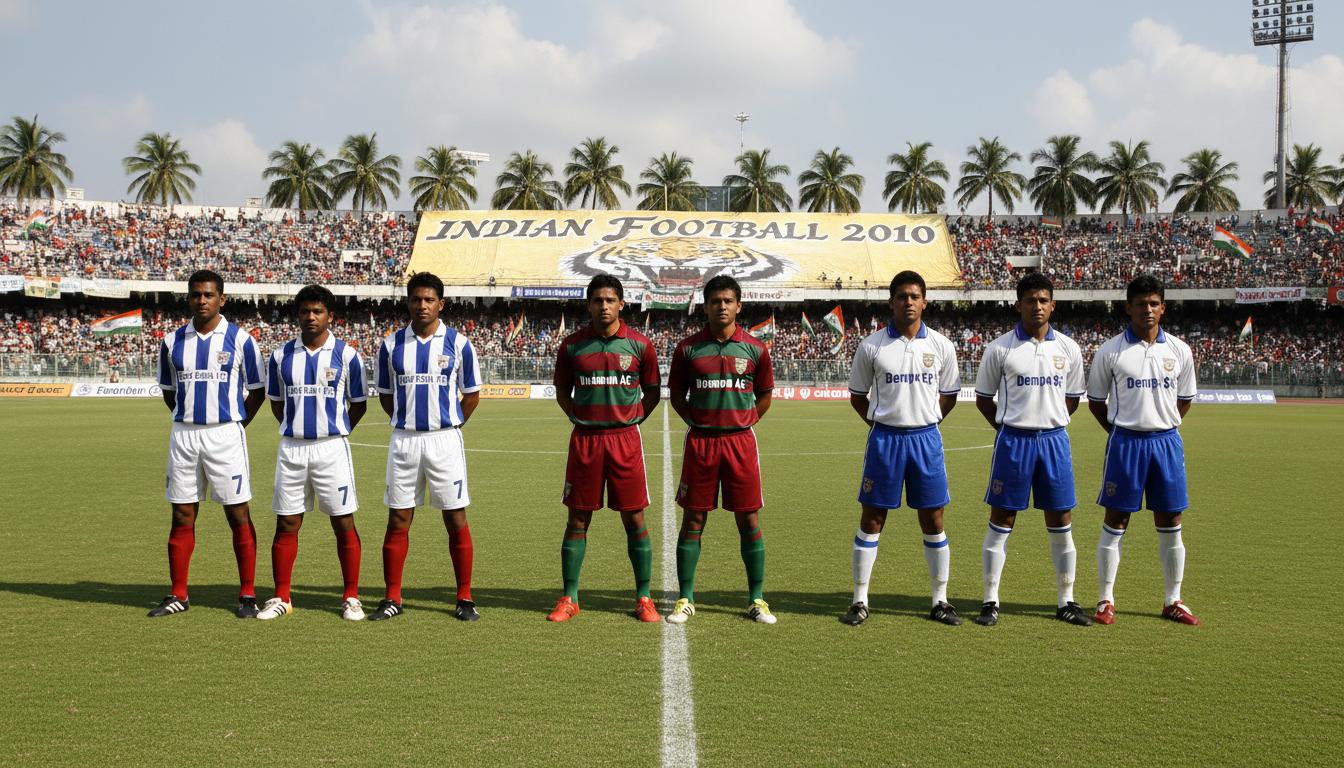
The landscape of Indian soccer in 2026 is a mix of long-standing tradition, new-money investment, and steady youth development, and this list looks beyond trophies to judge clubs by infrastructure, academy output, fan engagement, and consistency on the pitch.
How this list was assembled
I ranked clubs by a blend of objective and observed measures: recent league and cup performance, continental exposure, academy productivity, financial stability, and fanbase reach. These criteria reflect how a club performs today and how well positioned it is to stay competitive over the next several seasons.
Data and context came from official league reporting, club releases, and coverage from established sports outlets, combined with on-the-ground observations at matches and conversations with coaches and analysts. That mix helps separate short-term noise from structural strength.
Quick reference
Below is a concise table showing the teams and their primary league alignment for readers who want a snapshot before diving into the details.
| Rank | Club | Primary league |
|---|---|---|
| 1 | Mohun Bagan Super Giant | Indian Super League |
| 2 | Mumbai City FC | Indian Super League |
| 3 | Bengaluru FC | Indian Super League |
| 4 | FC Goa | Indian Super League |
| 5 | Kerala Blasters FC | Indian Super League |
| 6 | Hyderabad FC | Indian Super League |
| 7 | Odisha FC | Indian Super League |
| 8 | Jamshedpur FC | Indian Super League |
| 9 | SC East Bengal | Indian Super League |
| 10 | Chennaiyin FC | Indian Super League |
1. Mohun Bagan Super Giant
Mohun Bagan sits at the top largely because it combines history with modern professional structures. The club’s ownership and recruitment have created a deep squad, and Mohun Bagan continues to leverage one of the country’s most passionate fanbases to create a formidable home advantage.
Beyond matchday energy, Mohun Bagan’s pathway programs in the region have begun producing players who can step into the first team, which matters more over a multi-year horizon than one-off transfer splashes. In 2026, that balance of culture, scouting reach, and squad depth keeps them as India’s benchmark.
2. Mumbai City FC
Mumbai City has matured into a club with international links and a clear football identity, anchored by strong Indian talent and a steady pipeline from its youth programs. Backing from global partners has helped the club professionalize scouting, sports science, and coaching structures.
The club’s strategic approach to recruitment — pairing experienced internationals with promising domestic players — gives it consistent competitiveness across long league campaigns and cups. Their focus on infrastructure and analytics continues to pay dividends in squad management and match preparation.
3. Bengaluru FC
Bengaluru’s reputation for smart recruitment and a calm, professional culture remains intact. The club’s academy and coaching continuity are among the best in the country, and those systems translate into sustained performances in league play and knockout competitions.
I’ve watched Bengaluru’s methodical play at Sree Kanteerava Stadium and seen firsthand how the club’s emphasis on tactical coherence and youth integration creates a stable platform. That long-term stability places them firmly in the top tier of Indian soccer.
4. FC Goa
FC Goa consistently produces attractive, attack-minded football and is a model for how a smaller market can punch above its weight. The club’s academy has been productive in recent seasons, supplying technically gifted players who fit their high-tempo style.
Off the pitch, FC Goa’s commitment to coaching education and community programs has broadened its talent pool. In 2026, that combination of style and youth development keeps them among the country’s most respected teams.
5. Kerala Blasters FC
Kerala Blasters’ case rests less on silverware and more on unparalleled fan engagement, a large youth base, and growing commercial muscle. The atmosphere at their home games is unique in Indian soccer and provides a platform that attracts players and sponsors alike.
Recent investments in coaching and scouting are starting to show returns; the club is turning homegrown enthusiasm into a more sustainable squad model. If the front office continues to temper big-name signings with long-term player development, Kerala will remain a top-five side.
6. Hyderabad FC
Hyderabad has emerged as a strong operator in the ISL, notable for its scouting network and emphasis on tactical flexibility. The academy has begun feeding prospects into the senior ranks, and the club’s recruitment tends to be disciplined rather than headline-seeking.
On matchdays, Hyderabad’s compact, energetic style often frustrates bigger-spending opponents, and their coaching staff has a reputation for getting the most out of available resources. These factors keep them firmly competitive in 2026.
7. Odisha FC
Odisha FC has built a reputation for professionalism and steady growth, with visible investments in infrastructure and coaching that distinguish the club from many peers. Their technical staff emphasizes modern training methods and player welfare.
While still finding consistency in results, Odisha’s long-term moves—particularly in youth development and training facilities—suggest they’ll be a reliable top-table presence rather than a short-term project. That predictability is a valuable asset.
8. Jamshedpur FC
Jamshedpur’s model emphasizes financial stability and a patient approach to team-building. The club benefits from strong institutional backing and a philosophy that values long-term player development over quick fixes.
That approach created a disciplined side that often competes above expectations, and in 2026 Jamshedpur’s academy graduates are increasingly visible in the first team. Their steady, structured path keeps them inside the top ten.
9. SC East Bengal
East Bengal’s history and fanbase give it enormous potential, and the club’s challenge in recent years has been converting that potential into modern professional standards. By 2026, East Bengal has begun to stabilize its sporting operations and strengthen scouting and youth coaching.
The redevelopment of club systems is ongoing, but the sheer size of their supporter base and the gradual improvements in recruitment make them a club to watch. If momentum continues, East Bengal could move even higher in the rankings.
10. Chennaiyin FC
Chennaiyin remains a respected name with a history of success and a pragmatic approach to squad construction. While occasional inconsistencies have kept them from challenging for the very top spots in recent seasons, the club’s infrastructure and coaching pedigree are solid.
Chennaiyin’s ability to attract experienced players and integrate local talent gives them a reliable platform. In 2026 they occupy a spot in the top ten by virtue of organizational competence and potential upside from renewed academy efforts.
Trends shaping Indian club soccer in 2026
Three broad trends define the top clubs: an increased focus on youth development, smarter data-led recruitment, and deeper institutional investment in coaching and facilities. Clubs that combine these elements are the ones climbing the ladder.
There’s also a clearer pathway for academy players into senior squads, partly because clubs recognize the cost-effectiveness of developing domestic talent. That shift reduces volatility from transfer-market swings and creates more sustainable competitiveness.
What to watch next season
Keep an eye on academy graduates breaking into first teams and on how clubs manage foreign-player slots: those decisions increasingly determine whether a squad clicks or underperforms. Tactical innovation from coaching hires is another bellwether—new managers who implement modern systems can lift mid-table teams fast.
Finally, pay attention to continental competitions and how Indian clubs adapt to those fixtures. The demands of travel and higher-quality opposition are forcing clubs to upgrade fitness, rotation policies, and depth—areas that separate the top handful from the rest.
Author’s perspective and experience
As someone who has covered multiple ISL seasons and been inside stadiums from Kolkata to Kochi, I’ve seen how off-field decisions change on-field fortunes. One night at a packed Sree Kanteerava, the contrast between a club with a coherent scouting plan and one that patched together a roster was striking—and those differences matter over a full season.
Conversations with coaches and academy directors over the past few years reinforced that clubs investing in youth, sports science, and consistent coaching philosophies are the ones that last. That qualitative lens guided the ordering on this list as much as match results did.
How fans should use this list
Fans should treat this ranking as a snapshot of structural strength rather than a definitive hierarchy of who will win the next title. A single managerial appointment, a smart winter signing, or an academy star’s emergence can shift fortunes rapidly.
Use the list to follow clubs making sustainable moves—those teams are more likely to deliver enjoyable football and build long-term identities you can follow season after season.
Full analysis of the information was conducted by experts from sports-analytics.pro