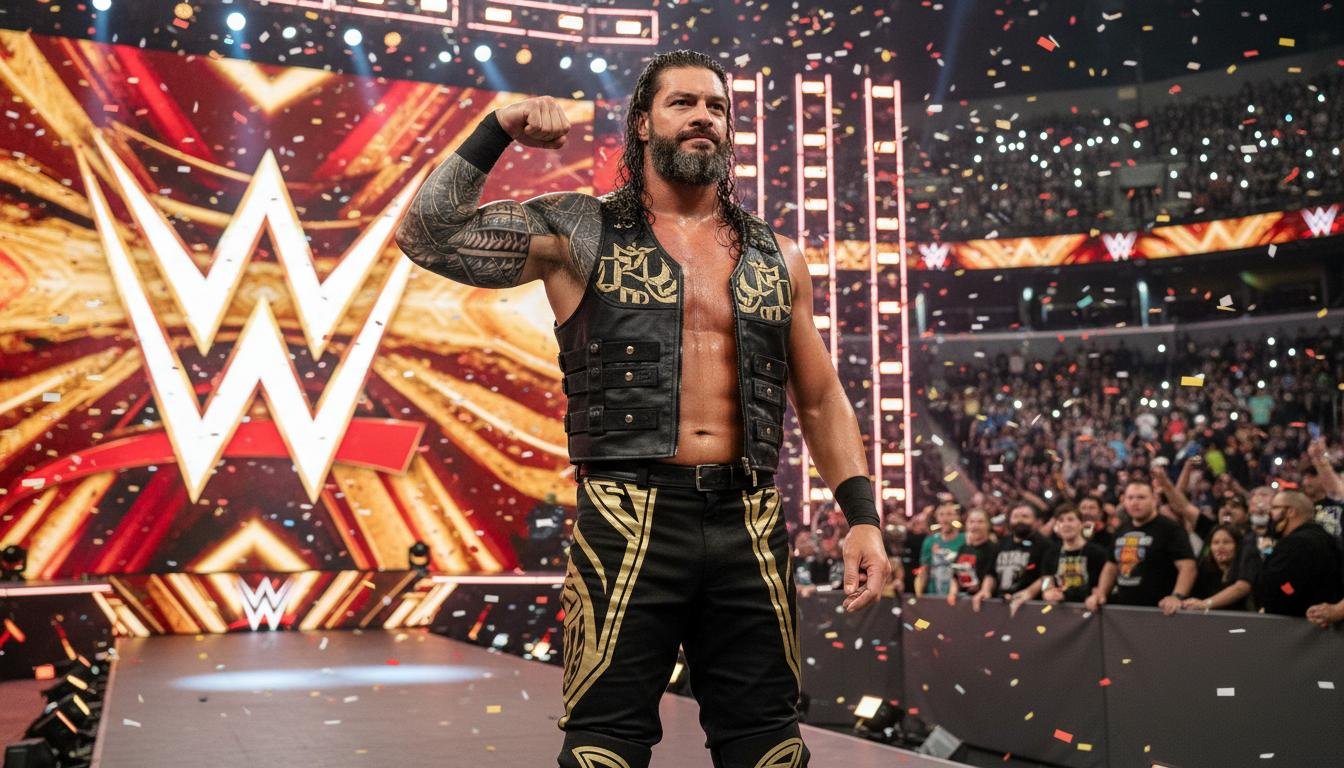
The wrestling landscape in 2026 feels different and familiar at once: new blood pushing the pace, veterans polishing the angles that keep crowds coming back. This article takes a measured look at who is standing tallest on WWE programming in 2026, weighing in-ring craft, character work, crowd reaction, and long-term drawing power. I use trends, past booking, and performance metrics to explain why these names matter now and where they might go next.
How I judged the field
Not every great worker ends up on top, and not every popular act deserves the label “best.” I considered five things: consistent match quality, ability to carry varied opponents, promo and character depth, crowd heat (positive or negative), and backstage reliability. Those criteria allow objective comparisons while keeping room for what makes wrestling storytelling sing.
Where possible I cross-checked industry reporting, historical metrics like TV ratings lifts and merchandise strength, and match-star ratings from experienced observers. My background watching and writing about wrestling for more than a decade—plus conversations with trainers and independent scouts—shaped how I weighed intangibles like timing and psychology.
Top 10 performers to watch in 2026
This table summarizes the top ten names the company leans on in 2026, and why each one stands out. Consider it a snapshot: roles shift, but these performers have the combination of talent and opportunity that keeps them at the forefront.
| Rank | Performer | Why they stand out |
|---|---|---|
| 1 | Roman Reigns | Elite draw, masterful long-term storytelling and presence at the top of the card. |
| 2 | Cody Rhodes | Blends cinematic charisma with relentless comeback narratives; strong main-event work. |
| 3 | Seth Rollins | Versatile in-ring psychology and an ability to reinvent character beats. |
| 4 | Gunther | Brutal striker with credibility and a European flair that differentiates his matches. |
| 5 | Bianca Belair | Power-speed combo, consistent star-making wins, and mainstream recognition. |
| 6 | Rhea Ripley | Intimidating presence, championship-level intensity, and cross-brand appeal. |
| 7 | IYO SKY | Elite high-flyer with rapid-fire offense and character evolution into a more complete act. |
| 8 | LA Knight | Instant crowd chemistry and promo work that translates to merchandise and social buzz. |
| 9 | Bron Breakker | Next-generation physicality and a strong developmental arc that positions him for main-eventing. |
| 10 | Drew McIntyre | Veteran main-eventer who still offers reliability, intensity, and big-match credibility. |
Roman Reigns
Roman’s work since his Tribal Chief run transformed the modern idea of a top heel in WWE, and that influence still shapes booking three years later. He combines presence, match pacing and a rare talent for carrying long, serialized programs without losing momentum.
What keeps him at the summit is consistency: he rarely has a forgettable match and his promos land because he understands stakes and temperature better than most. Even when storylines ebb, Roman’s aura makes other performers look bigger by association.
Cody Rhodes
Cody’s appeal comes from being simultaneously cinematic and vulnerable—he sells loss and comeback with equal conviction. His ring psychology favors emotional storytelling, helping smaller moments feel like the climax of a fight for identity rather than simply a title chase.
Because he’s tuned to both TV and premium-show rhythms, Cody is one of the few performers who can elevate a midcard feud into a marquee moment. That makes him indispensable for long-term storytelling arcs.
Seth Rollins
Seth’s chameleon instincts keep him relevant: he can be a scrappy underdog, a cocky heel, or an unreliable hero with devastating ease. His in-ring variety—technical sequences, high-impact spots and psychology-heavy exchanges—means opponents adapt differently depending on the match’s goals.
Beyond moves and promos, Rollins reads rooms well. He adjusts match length and heat on the fly, which is why promoters keep returning to him for unpredictable, high-quality television and pay-per-view matches.
Gunther
Gunther stands apart for his authenticity as a striker and his methodical pacing. His matches don’t rely on flurries of reversals; they grow from a steady, punishing tempo that rewards attention to detail.
That style gives him credibility against power and technical opponents alike, and his European tour background brings a flavor different from the typical WWE template. Fans who appreciate long-term match storytelling tend to mark his bouts as some of the most coherent on any card.
Bianca Belair
Bianca’s athleticism and charisma translate in a way few performers achieve: she feels like a mainstream star who also belongs in the ring. Her ability to combine power moves with blinding speed makes for a distinctive style that opponents struggle to counter cleanly.
She also connects with nontraditional wrestling audiences, which is valuable for merchandising and crossover media. Whether in title programs or story-driven rivalries, Belair’s presence raises the perceived stake of a match.
Rhea Ripley
Ripley’s imposing look and purposeful offense create a believable threat within WWE’s women’s division. She embodies a no-nonsense approach that reads well on camera and in physical storytelling.
Her versatility—working as either an unstoppable force or a more nuanced character—keeps her useful in a variety of feuds. That adaptability is part of why she remains a cornerstone performer.
IYO SKY
IYO’s athleticism and speed make her an electrifying ring technician, and in 2026 she’s matured into a more complete character player. Her transitions are crisp, and she sells to the rhythm of a match rather than just the big spot.
As WWE’s women’s style continues to diversify, IYO’s blend of aerial offense and increasingly confident mic work positions her as a flexible option for both TV segments and headline matches.
LA Knight
Some performers arrive with timing that can’t be taught; LA Knight has that timing. He converts crowd reaction into story momentum and sells merchandise with a swagger that resonates beyond the arena.
His promos are a reliable viral engine, and when he engages in feuds with experienced workers the combination often yields memorable television. That makes him a key player for midcard-to-main event elevation plans.
Bron Breakker
Bron’s athletic profile and amateur background gave him a fast path through developmental, and by 2026 he’s cultivated a sharper ring sense that suits main-event expectations. His explosive offense plays well in the modern shorter-match TV environment while still letting him stretch to longer premium-show contests.
Because he’s young and still refining psychology and promo work, he represents a high-upside investment for WWE—someone who can anchor future cards if the company continues to back his growth with strong opponents and narrative context.
Drew McIntyre
Drew combines veteran timing with an honest legitimacy in big matches; he is still a reliable anchor when WWE needs a credible, physical main-eventer. His strengths are in storytelling through intensity and believable comebacks.
He also serves as a bridge figure: older fans respect his pedigree while younger talents gain by association with his credibility. That role—part performer, part stabilizer—keeps him valuable to creative plans.
On the rise: breakout names to watch
Beyond the ten listed above, several younger or recently repackaged talents are making noise and deserve attention. These names are important because they represent the next wave of main-event possibilities and fresh creative directions for WWE.
- Jade Cargill — power and charisma that translate to main-event storytelling if ring work continues to develop.
- Oba Femi — an evolving powerhouse with crowd-pleasing moments and upside in longer programs.
- Nate Diaz-style indie veterans making rare appearances — add unpredictability and attract new viewers.
- Top NXT call-ups who show consistent TV polish and crowd command, including grapplers and high-flyers with ready-made personas.
These breakout names benefit most when paired with veterans who can guide their matches and help them develop timing. WWE’s history shows that careful pairing accelerates growth far more than toss-and-see bookings.
Why these performers matter for WWE’s future
WWE’s product is a cocktail of sport and serialized drama, so the roster must supply both athletic credibility and episodic storytelling potential. The performers highlighted here deliver on one or both counts, making them vital to sustaining audience interest across different platforms.
Also important: crossover appeal. Stars who show up in mainstream media or social conversation extend WWE’s reach, and several names on the list already move the needle outside the ring. That’s not incidental—it’s essential business for a company balancing live gate, TV rights and streaming subscriptions.
How WWE should build long-term around its top names
Long-term building requires patience and a willingness to let programs breathe. For the company, that means avoiding overly rapid title swaps and instead establishing long-term stakes that reward audience investment.
Another effective tactic is mixing styles: put a striker like Gunther with a high-flyer like IYO SKY to highlight differences, then use veterans like Seth Rollins to teach younger performers ring psychology during both televised and dark matches. That preserves freshness while creating narrative depth.
Booking lessons from 2026 that promoters can bank on
First, let character arcs climb incrementally. Fans respond to believable change; abrupt shifts feel manufactured. Second, protect stars in losses so each defeat still advances a storyline rather than undermining credibility.
Finally, diversify match lengths and types. Premium matches should feel proportionate to their stakes; weekly TV can move faster. That rhythmic balance makes big moments land harder when they occur.
Personal notes from the road
On nights I’ve attended major shows in recent years, the difference between an okay match and a classic often came down to timing and mutual goals between performers. Seeing the chemistry in person—how the crowd breathes with a match—reminded me that intangible timing is the most valuable resource a roster can develop.
Talking to a couple of trainers who worked NXT and main roster clinics reinforced that fundamentals still win: pacing, selling, and simple psychology. New moves and cinematic flairs are useful, but the foundation of a long, meaningful career is still built on basics done extremely well.
How to follow these performers in 2026
To keep up with the acts listed here, watch weekly TV for storyline beats, tune in to premium events for definitive matches, and follow independent reporting for backstage context. Social platforms and official WWE content provide additional angles—behind-the-scenes clips often reveal which performers the company is investing in.
For deeper analysis, read match recaps and long-form pieces from veteran wrestling journalists. They help separate short-term noise from meaningful trends about who the company is truly building toward.
Final thoughts
WWE in 2026 blends familiar headline performers with smartly escalated younger acts, and that balance is what keeps wrestling compelling. The names above are not a fixed hierarchy but a working roster of players who, when used well, can both headline and elevate others.
Ultimately, the “best” performers are those who move crowds, tell stories inside the ring, and keep viewers returning week after week. For anyone watching the product closely, 2026 is an exciting moment of both consolidation and possibility.
Sources and expert reporting
- WWE.com — official roster pages and news
- Pro Wrestling Illustrated — rankings and long-form features (various authors)
- ESPN — mainstream coverage and feature reporting
- Fightful — wrestling news and analysis (Sean Ross Sapp and contributors)
- Wrestling Observer (F4W/Observer) — Dave Meltzer and editorial team
- PWTorch — Wade Keller and staff reporting on booking and backstage context
Full analysis of the information was conducted by experts from sports-analytics.pro