Picking the best football clubs in the world in 2026 is less about a single silver cup and more about patterns: which organizations combine elite coaching, sustainable recruitment, clear identity and the financial resources to back it up. In a sport where form swings quickly, the truly elite teams are those that can repeatedly rebuild without losing momentum — the ones who win today and are set up to win tomorrow.
How this list was assembled
I weighed multiple factors rather than relying on a single leaderboard. Competitive results (domestic leagues, continental cups and head-to-head matchups) carried heavy weight, but so did squad depth, transfer-market acumen, youth development pipelines, coaching stability and club infrastructure like training centers.
To avoid fads and noise, I cross-checked performance metrics and scouting reports from analytics firms and established football researchers. Sources used include match data from Opta/Stats Perform, squad valuations from Transfermarkt, club development studies from CIES, competition outcomes from UEFA and FIFA records, and reporting by leading football journalists.
The top tier: what separates the elite
At the elite level, differences are marginal. A top club in 2026 typically combines a world-class starting eleven, a tactical system that resists being figured out, a shrewd transfer strategy, and a youth cohort producing first-team players. Ownership commitment matters too — both in steady investment and in hiring the right sporting directors.
Expect to see familiar names at the summit, but also clubs that have modernized their recruitment and analytics setups. The clubs listed below are those that, as of early 2026, consistently deliver on the pitch while showing the structures to sustain success.
Top dozen at a glance
| Rank | Club | Country | Standout strength |
|---|---|---|---|
| 1 | Manchester City | England | Squad depth, tactical adaptability |
| 2 | Real Madrid | Spain | Winning culture, elite match temperament |
| 3 | Bayern Munich | Germany | Domestic dominance, production line of talent |
| 4 | Barcelona | Spain | Technical identity, academy integration |
| 5 | Paris Saint-Germain | France | Top-end attacking talent, financial muscle |
| 6 | Liverpool | England | Pressing system, front-line cohesion |
| 7 | Arsenal | England | Young core, progressive recruitment |
| 8 | AC Milan | Italy | Blending experience and youth, tactical flexibility |
| 9 | Inter Milan | Italy | Balanced squad, defensive structure |
| 10 | Juventus | Italy | Scale and infrastructure, squad rebuild |
| 11 | Atlético Madrid | Spain | Defensive organization, countering tactics |
| 12 | Palmeiras | Brazil | Continental consistency, talent export model |
That table is a snapshot: each club’s position reflects recent trophies, current squad composition and structural strengths. The group contains historic global brands alongside clubs that have modernized quickly and now compete at the very top.
Manchester City: machine learning applied to football
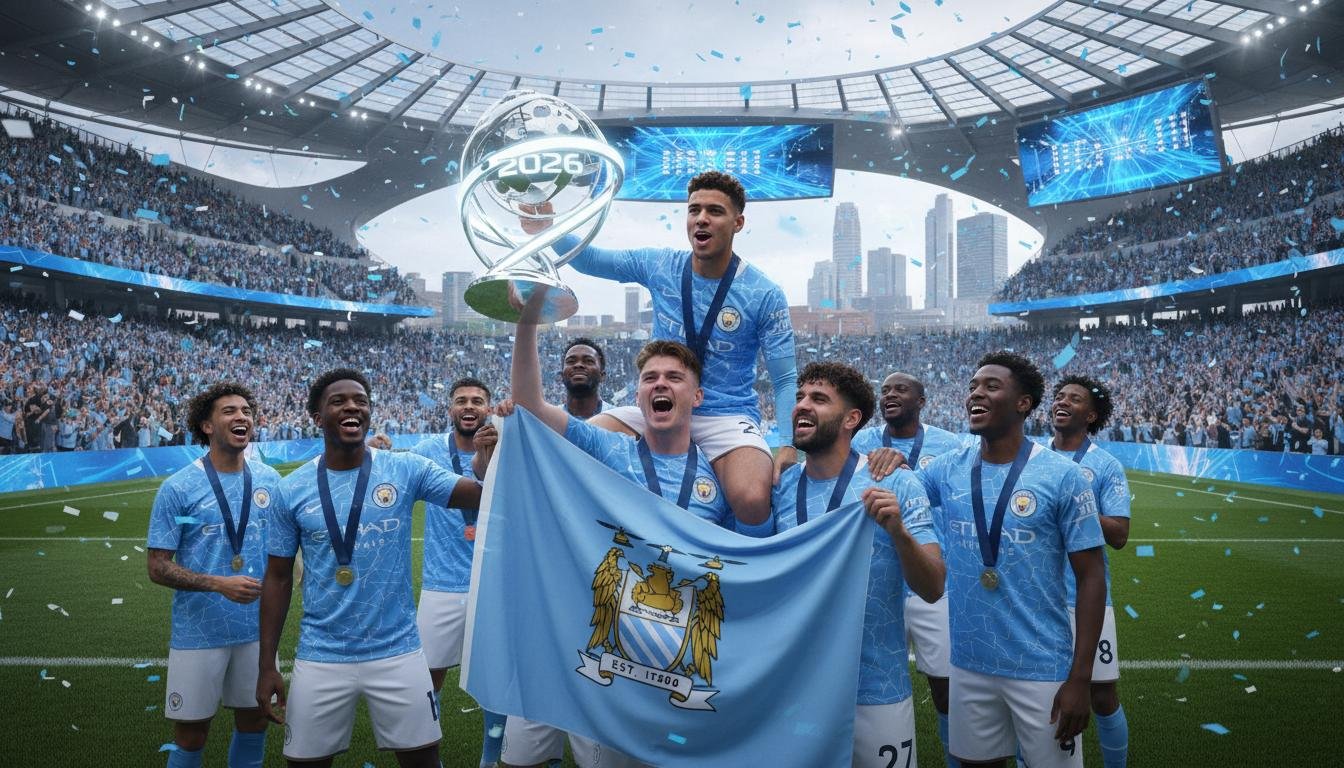
Manchester City remains the archetype of a modern elite club. Their success is not just Pep Guardiola’s coaching genius but an entire organizational system that recruits precisely, rotates intelligently and supports players with top-tier sports science. The club’s depth makes them resilient to injuries and fatigue across congested schedules.
City’s transfer approach mixes targeted signings and smart development loans. They also invest heavily in data and performance analytics, which shows up in consistent control of games and late-stage tactical tweaks that other clubs struggle to counter.
Real Madrid: the clutch specialists
Real Madrid continues to thrive on a mix of history and an astonishing ability to win the big occasion. Their DNA includes an innate sense of timing — bringing the right players to peak at the right moment in European competition. That capacity keeps them relevant even when domestic form fluctuates.
Off the pitch, Madrid’s commercial reach and scouting network allow them to retool quickly. They remain a magnet for elite players and coaches who want to compete at the highest short- and long-term levels.
Bayern Munich: systematic excellence
Bayern’s model is built around domestic hegemony and efficient use of resources. Their academy and Bundesliga pipeline consistently feed first-team talent, so even after blockbuster departures they rarely lose competitive balance. They combine physical strength with clinical attacking play.
The club’s board emphasis on stability — consistent coaching appointments and strategic transfers — keeps Bayern competitive in the Champions League and perpetuates a culture of winning at home.
Barcelona: revival through youth and identity
After a turbulent financial period, Barcelona’s return to elite status has been propelled by smart youth integration and a restored tactical identity. The La Masia tradition remains central, complemented by selective signings that fit a possession-based philosophy.
Barcelona’s challenge remains converting promising young units into a European-winning machine, but their footballing DNA and recent structural fixes make them one of the strongest projects in world football.
Paris Saint-Germain: star power with systemic questions
PSG’s top-end talent puts them among the most dangerous attacking sides, but questions linger about balance and long-term sustainability. When their superstars click, PSG is almost unplayable; when they don’t, structural weaknesses can be exposed against tactically disciplined teams.
Financial backing keeps PSG in the conversation for signings and resources, but sports directors must manage egos and tactical coherence to turn potential into repeat continental success.
Liverpool: a model of pressing and transition
Liverpool’s identity under Jurgen Klopp reshaped how modern teams think about transitions and pressing. Even if personnel changes occur, the club’s recruitment strategy has smoothed rotations and preserved the aggressive, front-foot style that wins matches quickly and decisively.
In 2026 Liverpool remains an elite competitor because of a strong sporting director structure and a clearly articulated style that guides all signings from youth to senior levels.
Arsenal: youth-driven resurgence
Arsenal’s rise has been remarkable for its emphasis on youth, patient recruitment and faith in a coherent tactical plan. By investing in young talent and a progressive coaching staff, they re-emerged as consistent challengers in England and Europe.
Their next step is turning near-misses into trophies; doing so will test their depth and the ability to handle knockout-stage experience against seasoned continental opponents.
Italian duo: AC Milan and Inter
AC Milan and Inter have both rebuilt smartly. Milan blended veteran leadership with a new wave of talent, returning to the upper echelons of European competition. Inter’s balanced recruitment and tactical discipline have made them a tough rival in both Serie A and continental ties.
Italy’s elite teams are again exporting tactical sophistication and young talent, which is healthy for European competitive balance.
Juventus and Atlético Madrid: scale and structure
Juventus’s legacy, infrastructure and market remain enormous assets during their rebuilds. They still attract major signings and can leverage their brand while modernizing sporting direction. Atlético Madrid, under Diego Simeone’s influence, is a model of compact defense and counterattacking efficiency — a system that beats stronger individual lineups through structure and discipline.
Both clubs demonstrate that there is more than one path to elite status: Juventus through scale and resources, Atlético through organizational identity and tactical rigor.
Palmeiras: South America’s consistent exporter
Palmeiras represents the modern South American club that consistently competes for continental honors while developing players who move to top European leagues. Their scouting and development system has become a template for sustainability outside of Europe’s richest competitions.
In 2026, Palmeiras’ continued presence among the world’s most respected clubs underlines how global football ecosystems are increasingly connected; talent, ideas and analytics flow both ways across the Atlantic.
Rising challengers and dark horses
Beyond the established dozen, clubs like RB Leipzig, Benfica, Napoli, and Flamengo are worth watching because they combine smart recruitment with defined tactical systems. These teams can disrupt the top tier in any given season, especially if they maintain continuity in coaching and scouting.
Smaller-market clubs that leverage analytics and youth development have the highest ceiling for long-term growth. A few seasons of stable European competition can push such clubs into the elite conversation permanently.
Tactical and organizational trends shaping 2026
Three trends dominate: first, the widespread adoption of advanced analytics in recruitment and match preparation; second, emphasis on squad versatility so managers can shift formations mid-game without losing identity; third, a renewed focus on in-house youth development to counter inflationary transfer markets.
Clubs that have combined these trends with clear sporting cultures — an identifiable way of playing and a defined recruitment blueprint — are the ones that populate lists of elite teams. Tactical flexibility coupled with cultural consistency is the new premium.
Author’s note and firsthand observations
I’ve watched seasons unfold from stadium stands and data rooms alike, volunteering time with a regional scouting network and attending coaching seminars in Europe. Those experiences taught me that what separates great clubs is often invisible to the casual fan: meticulous planning, a willingness to tolerate short-term discomfort for long-term gain, and an organizational patience rare in modern sport.
Seeing how youth prospects react to pressure in lower-stakes matches versus top-tier nights is especially revealing. Clubs that cultivate that mental readiness in training and the academy tend to enjoy smoother transitions when opportunity knocks.
What could change the pecking order quickly
Key variables that can shuffle this ranking include: major ownership changes, a seismic coaching appointment, regulatory shifts (financial fair play reforms or new competition formats), and unexpected player migrations. Injuries and a single-season collapse can also alter who stands at the summit.
In football, momentum and narrative matter. Clubs that manage to synchronize on-pitch form with strategic clarity off it will usually climb; those that react impulsively to short-term dips risk long-term decline.
How fans and analysts should read these lists
Lists are snapshots, not prophecies. Use them to understand which clubs display durable features — depth, identity, recruitment — rather than to predict a single tournament result. Industry specialists and analysts emphasize systems over stars: players come and go, but the best clubs preserve competitive frameworks.
For supporters, the takeaway is simple: sustained success is built, not bought. Enjoy the drama of individual matches, but recognize when you’re witnessing an organization operating at a different level of consistency.
Below are the main sources and experts I relied on when compiling this overview. Each entry is an authoritative reference on club performance, analytics or football economics.
https://www.uefa.com/ (UEFA)
https://www.fifa.com/ (FIFA)
https://www.statsperform.com/ (Opta / Stats Perform)
https://www.transfermarkt.com/ (Transfermarkt)
https://www.cies-football.org/ (CIES Football Observatory — Raffaele Poli)
https://theathletic.com/ (The Athletic — various analysts)
https://www.bbc.com/sport/football (BBC Sport)
https://www.reuters.com/lifestyle/sports/ (Reuters sports coverage)
https://www.espn.com/soccer/ (ESPN FC)
https://www.ft.com/ (Financial Times — Simon Kuper and football coverage)
Full analysis of the information was conducted by experts from sports-analytics.pro