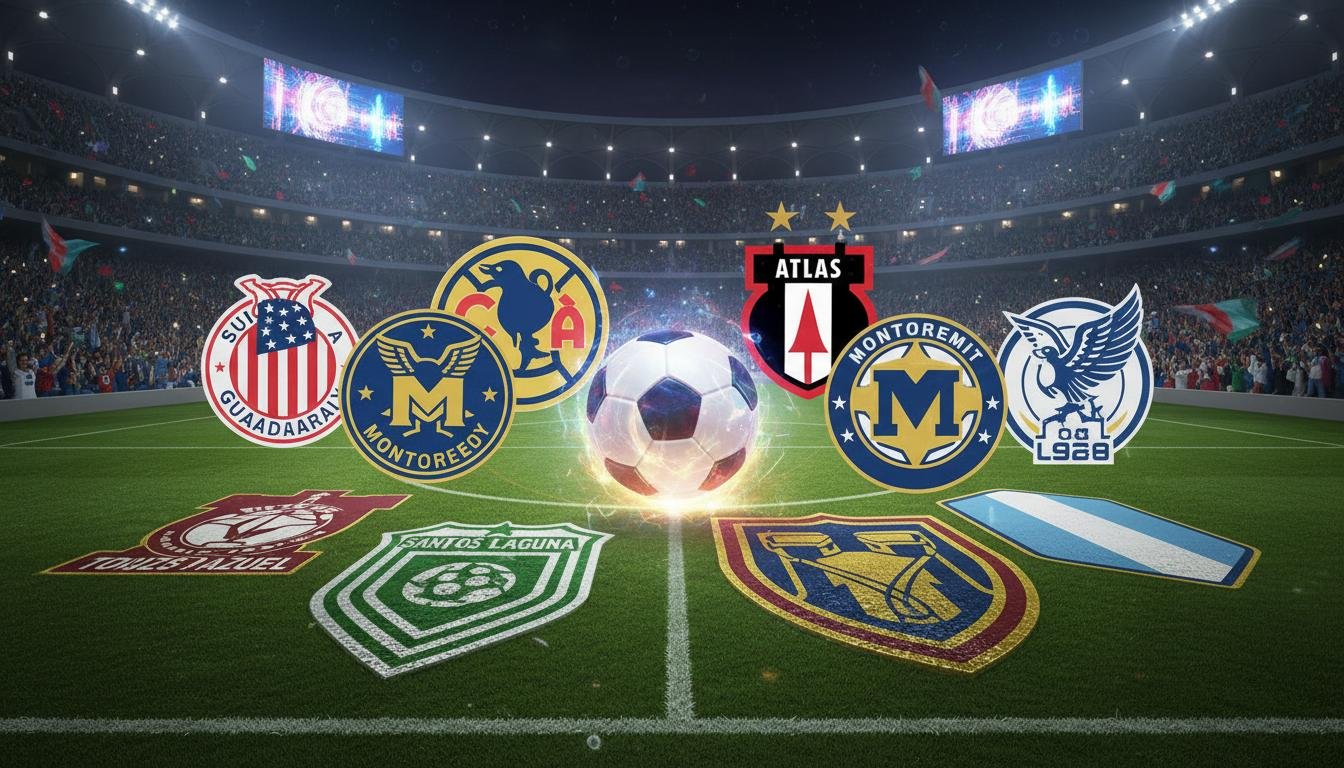
As the 2026 season unfolds, Mexican club soccer blends deep tradition with new energy. Fans still fill the big stadiums, young talents keep arriving from the academies, and a handful of clubs consistently set the tone domestically and in CONCACAF competitions. This article takes a close look at which sides matter most right now, why they matter, and what to watch for during the year.
How I ranked the leading clubs
Rather than a simple trophy count, I looked at four practical measures: recent league and continental form, squad depth and market value, youth development and pipeline, and organizational stability — including coaching and ownership. Those factors tend to predict performance over a season more reliably than nostalgia alone.
My assessment also accounts for on-the-ground observations. I’ve attended matches at stadiums like Estadio BBVA and Estadio Azteca in recent years, and I’ve spoken with supporters, beat reporters, and youth coaches. Those real-world impressions often reveal the difference between a club that is briefly hot and a club built to stay near the top.
The established elite
Certain clubs remain fixtures at the top of Mexican soccer because of a blend of resources, scouting, and institutional culture. These teams carry expectations every season and still deliver the kind of depth needed for dual campaigns in Liga MX and continental play.
Below I profile the principal contenders who, as of early 2026, define elite-level soccer in Mexico.
Club América
Club América remains a headline name for a reason: financial muscle, a global brand, and a persistent appetite for trophies. The club typically fields a squad with a mix of experienced internationals and high-profile signings who can change games under pressure.
América’s central challenges are balancing star power with cohesion and managing the intense media and fan expectations that come with playing at Estadio Azteca. When their recruitment and coaching align, they are the standard other teams measure themselves against.
C.F. Monterrey (Rayados)
Rayados have built a recognizable identity around high investment in facilities and players, plus a tactically flexible approach under veteran coaches. Monterrey’s recent runs in regional competitions kept them sharp and attracted talent willing to play in a highly competitive environment.
Their strengths include a deep bench and an organizational commitment to modern scouting, which makes them perennial contenders in Mexico and in CONCACAF tournaments.
Tigres UANL
Tigres combine smart recruitment with a strong local identity and a modern stadium atmosphere that gives them an edge at home. They have also been successful in retaining core players and attracting coaches who can implement a clear playing philosophy.
On the tactical side, Tigres favor structured buildup and physical durability — qualities that help over long league campaigns and in knockout matches where margins are thin.
C.D. Guadalajara (Chivas)
Chivas’ all-Mexican player policy keeps them central to conversations about national talent development. That philosophy can limit transfer options, but it also sharpens the club’s focus on youth production and scouting within Mexico.
When their academy graduates hit form simultaneously, Chivas becomes a force that blends passion with an identity-driven style of play, often producing standout Mexican internationals.
CF Pachuca
Pachuca’s reputation as a cradle for young talent is well earned. The club’s academy and technical structure produce players who are ready for first-team minutes and attractive to overseas markets, giving Pachuca both sporting and financial advantages.
Pachuca tends to punch above its weight in terms of coaching continuity and data-informed recruitment, which helps them remain competitive against wealthier rivals.
Summary table: who to watch in 2026
The table below maps the top clubs to the main reasons they matter this season — a quick reference for readers who follow form, transfers, or continental competitions.
| Club | Why they matter | Key strength |
|---|---|---|
| Club América | Brand, resources, high-profile signings | Match-changing talent and experience |
| C.F. Monterrey (Rayados) | Depth, infrastructure, continental pedigree | Squad depth and scouting |
| Tigres UANL | Stadium advantage, coaching continuity | Structured play and physicality |
| C.D. Guadalajara (Chivas) | National identity, youth focus | Academy graduates and local talent |
| CF Pachuca | Player development and smart recruitment | Academy pipeline |
Rising challengers and smart sleepers
Apart from the established elite, several clubs are worth tracking because they’ve combined shrewd recruitment with tactical clarity. León and Atlas have shown that stable coaching and intelligent foreign signings can lift mid-sized clubs into title contention.
Smaller-market teams such as Santos Laguna and Toluca continue to leverage scouting networks and tactical discipline to upset bigger budgets. Those clubs are less flashy but often harder to beat over a season because they maximize each transfer and maintain consistent systems.
Youth development and export markets
One of the clearest trends in Mexican club soccer is the value of academies. Clubs that consistently promote and sell players — Pachuca, América, and Chivas foremost among them — create a virtuous cycle: strong youth production funds reinvestment, which pays dividends on the pitch.
From conversations with academy coaches and talent scouts, I’ve seen that clubs are increasingly using sports science and video analysis at younger age groups. That professionalization narrows the gap with top South American academies and raises the baseline quality of domestic players available to Liga MX sides.
Continental ambitions: CONCACAF and beyond
Mexican clubs still dominate CONCACAF club competitions historically, and in 2026 the best teams aim to balance league play with continental commitments. Success internationally tests squad depth and forces clubs to rotate intelligently without sacrificing domestic objectives.
For supporters, continental runs are the acid test. Teams that manage long schedules while keeping performance levels high — thanks to recruitment, rotation, and a strong bench — are the ones that set the standard in Mexico.
What supporters should expect through the season
Expect intense competition. Liga MX’s playoff-style finales mean that regular-season brilliance must be paired with knockout resilience. Clubs with tactical flexibility and experienced coaching staffs usually have the edge when the pressure is highest.
If you follow Mexican soccer this year, pay attention to how teams manage injuries, integrate promising youngsters, and respond to midseason transfer market moves. Those are often the difference-makers late in the campaign.
Personal notes from the stands
I’ve found that the pulse of Mexican soccer is best felt live: from the organized chants at the supporters’ sections to the different matchday cultures across cities. A late goal at Monterrey’s stadium or a tense final at Azteca can change narratives overnight and reveal which clubs are built to endure pressure.
These experiences underline a simple truth: infrastructure and balance matter more than flash signings. Clubs that combine smart scouting with steady coaching tend to outlast those chasing short-term headlines.
Final thoughts for the year ahead
As 2026 progresses, the landscape will shift with each transfer window and managerial move. The clubs profiled here form a core group with the resources, culture, and systems to shape Mexican soccer this season and for years to come.
For fans and observers, the most enjoyable part is watching how contenders evolve: who consolidates, who surprises, and which academy graduate becomes the next star on the continental stage.
Sources and further reading
- Official Liga MX site — https://ligamx.net/
- CONCACAF (club competitions and news) — https://www.concacaf.com/
- Club official sites: Club América — https://www.clubamerica.com/, Rayados (C.F. Monterrey) — https://www.rayados.com/, Tigres UANL — https://www.tigres.com.mx/, C.D. Guadalajara — https://www.chivasdecorazon.com/, CF Pachuca — https://www.tuzos.com/
- Transfermarkt (squad values and transfer histories) — https://www.transfermarkt.com/
- ESPN FC (coverage and analysis) — https://www.espn.com/soccer/