Picking the continent’s strongest clubs in 2026 is less about crowning a single king and more about reading a shifting map of talent, money and management. South American clubs live or die by youth pipelines, transfer windows and continental form, and those forces will shape who stands tallest two years from now. This article looks beyond headlines to the structural reasons certain clubs are likelier to lead the region in 2026.
How to judge a great South American club in 2026
Evaluating clubs across countries requires a mix of short-term and long-term indicators. Continental performance — especially in the Copa Libertadores and Sudamericana — tells you how teams handle pressure and travel, while domestic league consistency shows depth and management quality.
Off-field factors matter just as much: transfer balance sheets, academy productivity and coaching stability determine whether success can be repeated. For many South American teams, selling top talent to Europe is inevitable; the healthiest clubs are those that replace those losses without collapsing.
Brazil: financial muscle and the academy conveyor belt
Palmeiras
Palmeiras has become a template for sustainable success in the recent decade: smart recruitment, steady investment and a productive academy. Their model blends local talent with targeted signings, which often pays off in Libertadores campaigns and domestic titles.
By 2026, Palmeiras should remain a force if they keep reinvesting transfer income into scouting and coaching. Their challenge will be retaining core players or monetizing sales without long performance dips.
Flamengo
Flamengo pairs enormous fan support with aggressive transfer activity; that combination buys short-term firepower and revenue through merchandise and broadcast. The club’s ability to assemble strong squads quickly makes them perennial favorites in both Brazil and continental competitions.
For 2026, Flamengo’s fortunes will hinge on managerial stability and whether the club can convert blockbuster seasons into sustainable structures — youth development and scouting outside the obvious markets.
Fluminense and Atlético Mineiro
Fluminense’s rise in recent seasons has shown that intelligent recruitment and a focus on youth can topple wealthier rivals. The club’s academy continues to produce players who sell well and perform on the continental stage.
Atlético Mineiro, with occasional big-spending cycles and strong local backing, will remain dangerous when their transfer moves align with tactical clarity. Both clubs are realistic top-five Brazilian candidates for 2026 if they balance sales and squad continuity carefully.
Argentina: tradition, tactics and the coaching pipeline
River Plate
River Plate’s infrastructure and coaching pedigree keep them in the conversation even as managers and players come and go. The club’s tactical identity and scouting edge often produce teams that run deep into continental tournaments.
Looking toward 2026, River’s prospects depend on whether they can stabilize key positions and maintain a consistent coaching vision that integrates youth prospects into the first team.
Boca Juniors
Boca Juniors’ global brand and intense home advantage make them a unique entity in South America. They attract high-profile domestic talent and occasionally bring back veterans who lift the club’s level in big matches.
To be among the best in 2026, Boca must resolve financial unpredictability and build a transfer strategy that avoids cyclical peaks and troughs. Domestic dominance alone won’t suffice — continental consistency is the true barometer.
Racing Club and others
Racing Club, Rosario Central and Independiente all remind us that Argentine football is deep. Clubs with sharp scouting networks and coherent teenage-to-first-team pathways can rise quickly if they combine fiscal responsibility with tactical ambition.
By 2026, expect at least one Argentine surprise — a club outside the traditional duo making a serious Libertadores bid thanks to a golden generation or shrewd leadership.
Clubs from outside the big two leagues to watch
Atlético Nacional (Colombia)
Atlético Nacional has long been Colombia’s benchmark for continental ambition. Strong youth systems and intelligent exports to Europe have kept them competitive in Libertadores play even when domestic form fluctuates.
If Nacional retools its scouting across the Andean region and continues to cash in on transfers responsibly, they’ll be among the most capable non-Brazilian/Argentine threats in 2026.
Peñarol and Nacional (Uruguay)
Uruguayan clubs live off raw talent, coaching discipline and deep traditions. Peñarol and Nacional are production lines for both players and managers, shaping footballing minds who often succeed abroad or return bolstered with experience.
Neither club will outspend Brazilian giants, but both can upset the balance in knockout tournaments. A smart draw and a clutch top scorer can take them far in a single Copa Libertadores campaign.
LDU Quito and teams from Ecuador and Chile
Ecuadorian and Chilean clubs are improving their youth models and infrastructure, producing compact, well-coached teams that are hard to break down. LDU Quito’s international history proves that disciplined squads can still win on the continent.
Expect Ecuador and Chile to supply dark-horse candidates in 2026, particularly in knockout ties where tactical discipline and altitude play can be decisive.
A projected top-10 to watch in 2026
No ranking is definitive this far out, but these ten clubs combine recent form, infrastructure and realistic transfer strategies that should keep them competitive.
| Rank | Club | Country | Why to watch |
|---|---|---|---|
| 1 | Palmeiras | Brazil | Strong academy, sustainable model, consistent Libertadores contenders |
| 2 | Flamengo | Brazil | Financial power, large fanbase, aggressive recruitment |
| 3 | River Plate | Argentina | Institutional stability, tactical identity |
| 4 | Boca Juniors | Argentina | Brand, home advantage, clutch performers |
| 5 | Fluminense | Brazil | Youth production, balanced transfers |
| 6 | Atlético Nacional | Colombia | Scouting reach, continental pedigree |
| 7 | Atlético Mineiro | Brazil | Occasional big spending, tactical flexibility |
| 8 | Peñarol | Uruguay | Tradition, youth development |
| 9 | LDU Quito | Ecuador | Altitude edge, tactical discipline |
| 10 | Racing Club | Argentina | Organizational stability, clever recruitment |
Variables that could reshuffle the pecking order
Player exports to Europe are the single biggest variable. A year in which multiple top scorers depart will usually push clubs into rebuilding years, while those who monetize smartly and invest in replacements climb faster.
Other disruptors include changes in coaching staff, ownership shake-ups and macroeconomic swings that affect sponsorship and broadcasting deals. Injuries and the random luck of knockout football also mean surprises are inevitable.
My experience watching South American club football
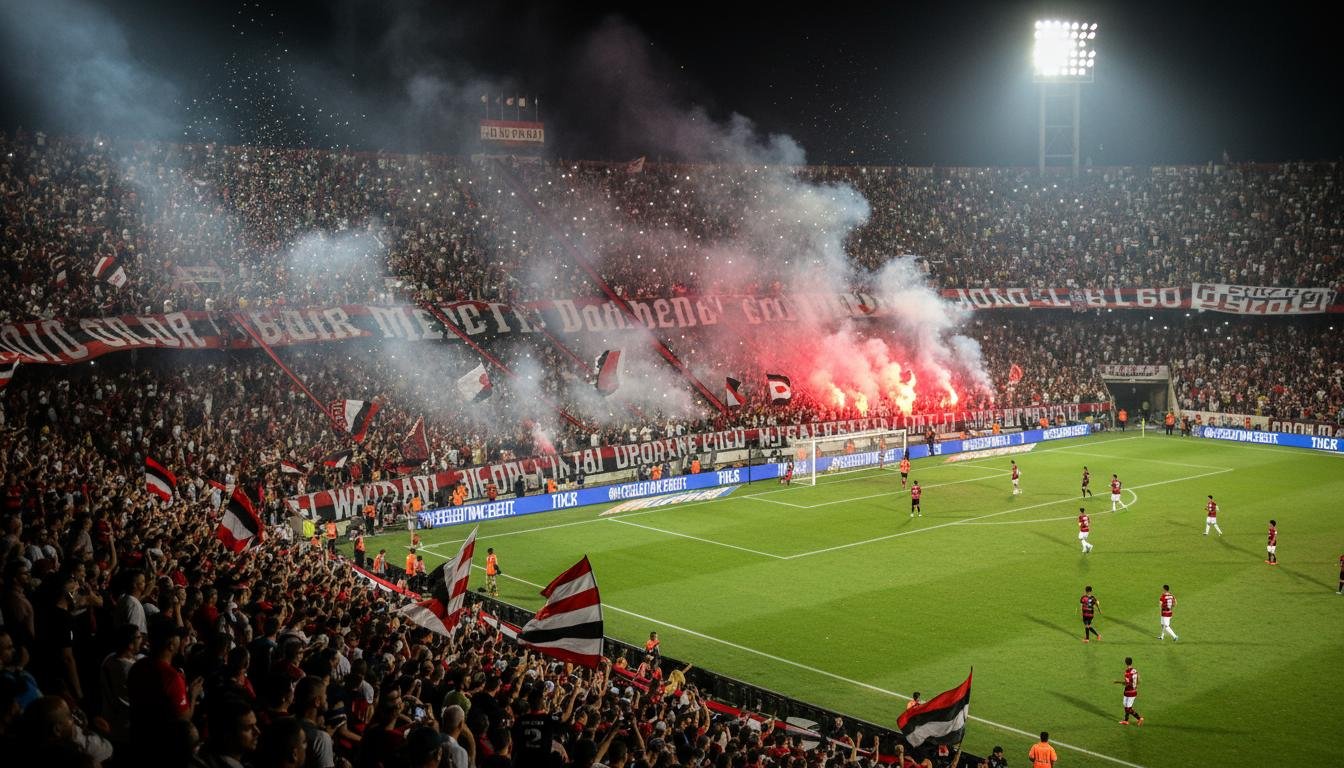
I’ve followed Copa Libertadores campaigns from the stands and on long flights home; the difference in atmosphere between a packed Libertadores night and a neutral European match is striking. The intensity of traveling away to play at high altitude or in hostile stadiums often decides ties more than pure talent does.
Seeing young players arrive at a club and, months later, start a continental quarterfinal gives a real sense of how important a coherent youth-to-first-team plan is. Clubs that blend those internal pathways with sensible sales make the most lasting progress.
Predicting the exact order of the best soccer teams in South America in 2026 is less useful than understanding the patterns that create success: strong academies, pragmatic transfer markets, stable coaching and a hunger for continental silver. Those ingredients will determine which clubs win big in 2026, and why a handful of teams will be favored to lift trophies while others aim to upset them.
Sources and expert reading
- CONMEBOL (official site)
- Palmeiras profile — Transfermarkt
- Flamengo profile — Transfermarkt
- River Plate profile — Transfermarkt
- Boca Juniors profile — Transfermarkt
- Copa Libertadores winners and history — RSSSF
- International Federation of Football History & Statistics (IFFHS)
- Tim Vickery — BBC (South America football expert)