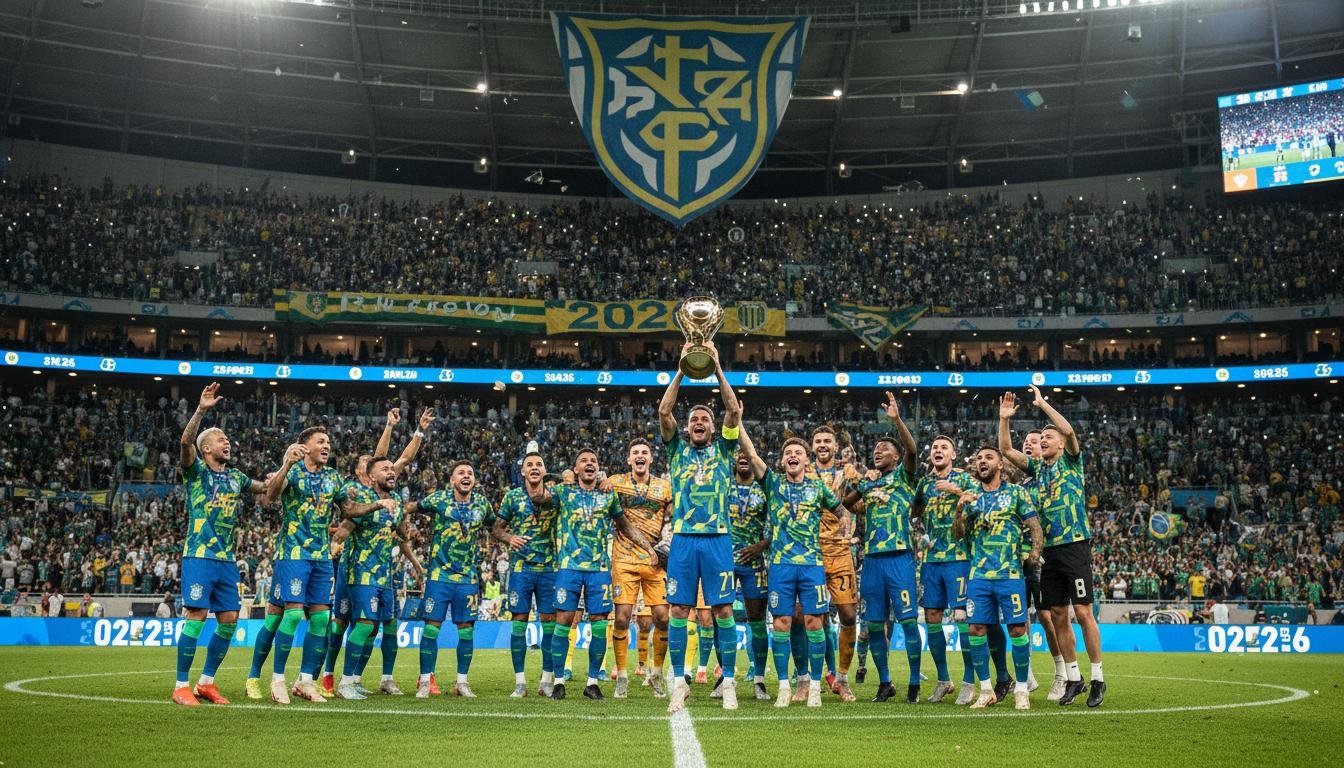
Brazil’s domestic game is a living, noisy organism: stadiums vibrating, chants braided with samba, and a constant churn of talent that feeds the world. By 2026, several clubs have reasserted themselves as national and continental forces, while others continue rebuilding with youth and smarter recruitment. This article maps the landscape, explains why certain sides stand out, and offers a view from the stands based on years of following Brazilian football closely.
The landscape of Brazilian football in 2026
The Campeonato Brasileiro and the Copa Libertadores remain the main proving grounds. Clubs that balance sustainable finances, talent production, and smart coaching have the edge. Television money, sponsorship deals, and the sale of players abroad still shape who can compete season after season.
Infrastructure and scouting networks have become decisive. Teams that invested in training centers, analytics departments, and international scouting during the early 2020s are reaping the benefits now — keeping squads competitive without relying solely on expensive transfers.
Clubs to watch: the established giants
Flamengo
Flamengo still sits near the top of conversations because of its enormous fan base and revenue streams. The club’s ability to attract and retain high-profile managers and to rebuild quickly after departures keeps it in title fights across competitions.
On the pitch, Flamengo mixes experienced internationals with promising academy graduates. The Maracanã nights remain a psychological advantage: few away teams thrive there consistently, and Flamengo’s recruitment has focused on players who perform under that pressure.
Palmeiras
Palmeiras’s model emphasizes a blend of financial prudence and sporting ambition. Investment in a modern training complex and a thorough scouting apparatus allowed them to sustain continental competitiveness while selling assets for profit.
Coaching continuity and a clear identity—high-intensity pressing combined with technical build-up—have kept Palmeiras among Brazil’s most reliable sides into 2026. Their focus on short, efficient transfer windows makes squad turnover manageable.
Corinthians
Corinthians remains a cultural giant with massive matchday pull and a passionate fanbase that influences national conversations. The club’s challenge has been translating that support into consistent top-table finishes, but strategic signings and a renewed emphasis on youth have improved results.
Neo Química Arena provides one of the most hostile atmospheres for visitors, and Corinthians’ recruitment increasingly targets players suited to the physical and tactical demands of domestic competition.
São Paulo
São Paulo FC keeps relying on its renowned youth academy to supply the first team and generate transfer revenue. The club’s continued focus on technical development produces creative players who fit modern systems.
Administrative stability and smarter contract management have helped São Paulo stay competitive. Tactical flexibility under recent coaches has allowed them to adapt between possession-based games and compact defensive sets.
Emerging challengers and regional powerhouses
Atlético Mineiro
Atlético Mineiro rebuilt after a roller-coaster decade and now mixes local talent with experienced internationals. They are a regular threat in knockout competitions because of a pragmatic approach to big matches.
The club’s ability to pull strong results in both state and national tournaments keeps them consistently in the hunt for continental qualification.
Athletico Paranaense
Athletico Paranaense stands out for its organizational approach: strong academy pipelines, modern facilities, and a willingness to sell at the right price. This model keeps them competitive without unsustainable spending.
The club’s progressive coaching hires and a focus on tactical development mean they punch above their weight in the Libertadores and the Brasileiro.
Fluminense
Fluminense’s identity is rooted in player development and smart recruitment. When the club gets its scouting right, they unearth players who thrive in the banded rhythm of Série A.
A strong recent domestic performance cycle has raised expectations, and maintaining that level will depend on keeping key players and continuing their coaching continuity.
Internacional
Internacional has rebuilt a competitive squad through a mix of experienced defenders and attacking prospects. Porto Alegre remains a hotbed of talent, and Internacional draws from that pool effectively.
They still face the challenge of balancing squad renewal with immediate results, but a renewed emphasis on recruitment analytics has given them a steadier trajectory.
How these teams differ: drivers of success
There are three recurring themes behind the top sides in 2026: production, projection, and pragmatism. Production is the academy output — Santos, São Paulo, and Flamengo have long histories here. Projection is the club’s ability to sell players at the right time and reinvest; Palmeiras and Athletico Paranaense do this well. Pragmatism is tactical and financial discipline: Atlético Mineiro and Internacional show how smart coaching and recruitment can compensate for smaller budgets.
Boards that merge long-term planning with short-term competitiveness tend to outlast glory cycles. Clubs that treat scouting as an art and data-driven science have reduced the gap to wealthier opponents.
Transfers, continental competition, and the calendar
The rhythm of South American football — state championships, national league, and continental cups — forces squads to be deep and versatile. Teams with broader rosters and adaptable tactics handle fixture congestion better, which is why clubs investing in depth rather than marquee signings often finish higher over a full season.
Copa Libertadores performances also shape perceptions and finances. A deep continental run brings revenue and raised profile, affecting sponsorships and future transfers. Clubs that manage both domestic and continental calendars successfully gain a competitive feedback loop.
My view from the stands
I’ve watched matches at Allianz Parque and the Maracanã, and the difference is tangible: some clubs carry a sense of organized hope while others feel improvised despite big names. The teams that control atmosphere, not just talent, win more often — because football in Brazil is as much emotional as it is tactical.
Personal encounters with youth coaches and scouts revealed a common thread: those who win consistently have clear philosophies communicated from academy to first team. That continuity is what separates transient success from enduring strength.
Quick reference: leading sides in 2026
| Club | Home stadium | Core strength |
|---|---|---|
| Flamengo | Maracanã | Financial muscle and fan support |
| Palmeiras | Allianz Parque | Infrastructure and recruitment |
| Corinthians | Neo Química Arena | Matchday power and squad depth |
| São Paulo | Morumbi | Youth development and technical play |
| Athletico Paranaense | Arena da Baixada | Academy and analytics |
| Atlético Mineiro | Mineirão | Pragmatic game management |
In 2026, Brazil’s best teams are those that combine footballing identity with off-field discipline. The game here is never static: young stars will emerge, managers will rotate, and the hierarchy will shift again. For now, the mix of historic giants and smarter, modern clubs makes for one of the most exciting domestic scenes in world football.
Sources and further reading
- Confederação Brasileira de Futebol (CBF)
- CONMEBOL — South American football governing body
- FIFA — International football governing body
- Transfermarkt — squad values and transfer histories
- ESPN FC — coverage and analysis of Brazilian football
- Globo Esporte — Brazilian football reporting and statistics
- BBC Sport — including analysis by Tim Vickery on South American football