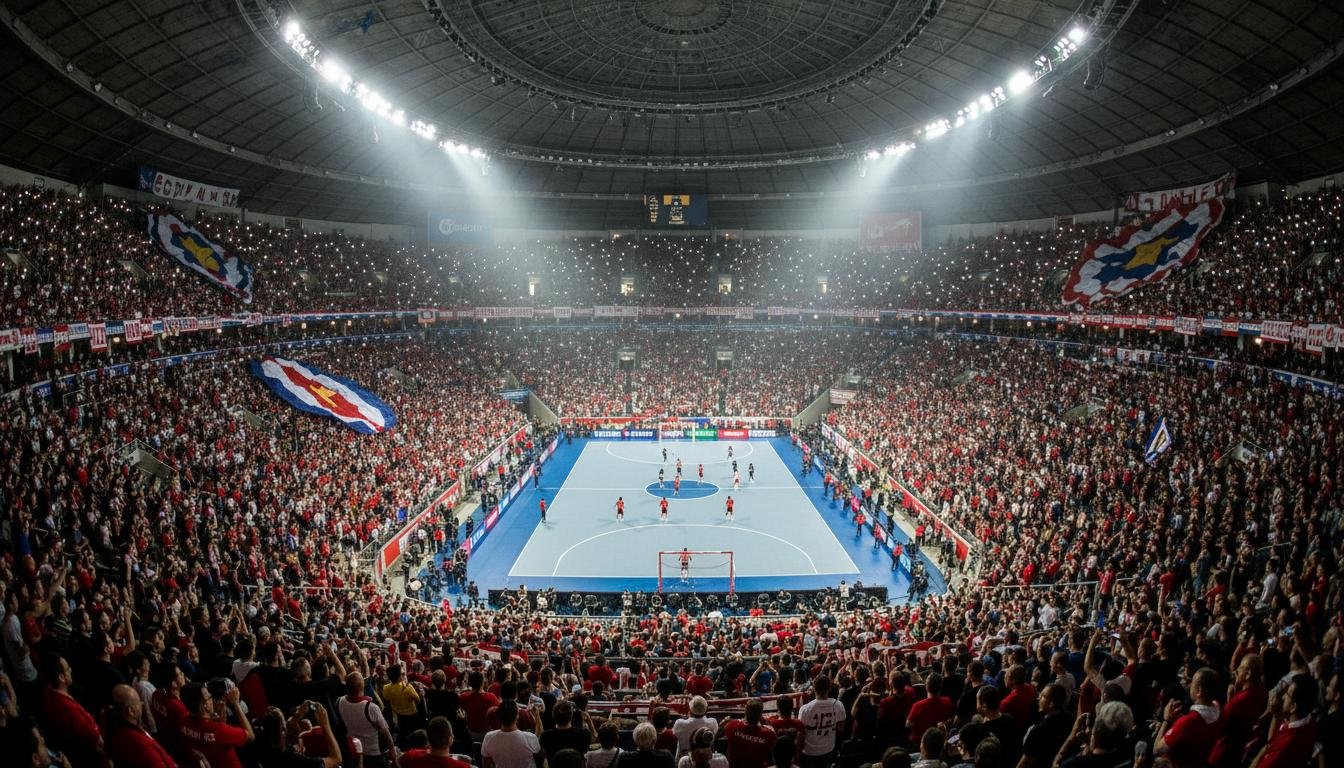
When a country hosts a world championship, the whole nation seems to lean forward—more flags, fuller stands, and an odd confidence that its athletes will shine. This phenomenon is more than theater; decades of research and countless competitions show that playing at home often changes outcomes in measurable ways. The pattern can be subtle in some sports and decisive in others, shaped by crowds, travel logistics, officiating, and the surge in investment that hosting triggers.
Patterns across sports and events
Home advantage appears in team sports and individual events alike, but its scale varies. In soccer and basketball, home teams win a noticeably larger share of matches than visitors. In judged sports like gymnastics or figure skating, subjective scoring can widen the gap. At multi-sport world championships and Olympic Games, host nations typically increase their medal tallies—not always by a landslide, but enough to catch analysts’ attention.
Part of that variability comes from the structure of each sport. Sports with neutral scoring and quick recovery (swimming, athletics) show smaller home effects compared with contact sports and those involving officials’ discretionary decisions. National depth matters too: countries with large talent pools and resources can amplify the hosting boost, while smaller nations sometimes gain an outsized benefit from the same infrastructure and focus.
Why does home advantage exist?
The drivers of home advantage form a web: crowd support, travel fatigue for opponents, venue familiarity, officiating influence, and the larger systemic effects of hosting. Researchers have explored each thread, and the evidence points to a mix rather than a single smoking gun.
First, the crowd. A partisan audience lifts athletes’ morale and can increase perceived pressure on opponents. That emotional energy converts into performance differences—sharper focus, risk-taking at the right moment, or simply the extra yard of effort needed in a tight contest.
Second, travel and logistics. Visiting teams often contend with long flights, time zone shifts, different food, and unfamiliar climates. Even small disruptions to sleep and routine can blunt performance, especially in sports where reaction times and marginal gains matter.
Third, venue knowledge. Home athletes train in the arena, know the lighting, the airflow, the warm-up spaces, and the idiosyncrasies of a particular track or court. Those seemingly trivial details add up when margins are narrow.
Finally, the human element of officiating. Multiple studies point to subtle referee bias favoring home teams, whether through penalty calls, carding, or scoring in judged events. Crowd noise and reaction patterns appear to influence split-second judgments, tilting outcomes over a championship.
Systemic and preparation effects
Hosting a world championship is rarely a last-minute decision. Nations bid years in advance, and that preparation period often triggers sustained investment in coaching, talent development, and facilities. Federations may prioritize home events when selecting cohorts and peaking athletes’ training cycles.
That institutional momentum matters. When countries channel funding and attention into Olympic cycles or world championships on home soil, the resulting performance gains reflect long-term policy rather than a single night in a noisy stadium. This is why host boosts sometimes continue into subsequent competitions—an infrastructure and coaching legacy beyond the event itself.
Evidence from high-profile events
At the Olympics and world championships, the host-country bump is well documented. Hosts frequently climb the medal table relative to recent performances, even after accounting for economic size and sporting tradition. In soccer and many team sports, hosting tends to improve win percentages and progression in tournaments.
Natural experiments underline the causal role of specific factors. For example, when leagues played behind closed doors during the COVID-19 pandemic, many researchers observed a decline in traditional home advantage. With no crowd pressure, refereeing biases diminished and home teams won less often than before, reinforcing the crowd’s crucial role.
Case study: a personal view from a world championship
I attended a recent world championship where the host city’s enthusiasm felt like a living thing. Fans arrived hours early, local volunteers shepherded athletes through the maze of venues, and the home squad’s locker room brimmed with supportive messages. I watched an underdog competitor rise to a podium finish in front of that chorus; afterward, coaches credited everything from the athlete’s familiarity with the competition pool to the crowd’s lift. The win felt engineered by myriad small advantages rather than a single cause.
That experience echoed in conversations with coaches and sports scientists at the event. They described how marginal improvements—an extra training camp, tailored nutrition logistics, or more practice sessions on the main court—cumulatively change outcomes across a week of competition.
How much advantage is “enough” to matter?
Quantifying home advantage depends on the sport and the level of competition. In football (soccer), home teams historically win a noticeably higher share of matches—sometimes 10 to 20 percentage points more than away teams in domestic leagues. At global events the effect on medals or tournament progression is typically smaller but still statistically significant, particularly in smaller sports or for nations on the margin of world-class status.
For stakeholders—national federations, coaches, and athletes—what matters is that the effect is reliable enough to inform strategy. Hosts can exploit small, repeatable edges: schedule familiarization sessions, control travel plans, and use crowd engagement to focus rather than overexcite athletes.
Ethics and fairness: when advantage becomes distortion
There’s a line between genuine home edge and distortions that threaten fairness. A host deliberately tilting logistics to disadvantage visitors—through biased scheduling, restricted practice times, or opaque officiating appointments—can undermine the spirit of global competition.
Governing bodies try to preserve integrity by standardizing officiating protocols, enforcing neutral scheduling where possible, and auditing host arrangements. Transparency and accountability remain essential because the stakes—national pride, athlete careers, and commercial investments—are high enough to incentivize corner-cutting without strong oversight.
Practical takeaways for competitors and organizers
For visiting teams, meticulous attention to travel, sleep, and acclimatization pays dividends. Teams that neutralize jet lag, secure consistent nutritional plans, and simulate venue conditions reduce the home edge. Mental training that frames hostile crowds as background noise also helps.
Hosts should aim to harness advantage ethically. Investing in athlete development yields long-term gain beyond a single championship. Organizers must balance the desire for a raucous, supportive environment with commitments to fair play and even-handed treatment of all competitors.
Policy implications for international federations
Federations can narrow unfair home advantages by enforcing neutral officiating appointments, standardizing practice access, and monitoring scheduling equity. They can also incentivize legacy planning so that hosting benefits broader participation and infrastructure development, not just short-term home success.
At the same time, the spectacle of a partisan crowd is part of what makes world championships compelling. The challenge lies in preserving the electric atmosphere without letting it skew results or erode trust in outcomes.
Sources and further reading
- Courneya, K. S., & Carron, A. V. (1992). The home advantage in sport competitions: A literature review. Research summaries and discussions: https://www.researchgate.net/publication/283347248_The_home_advantage_in_sport_competitions_A_literature_review
- Bernard, A. B., & Busse, M. R. (2004). Who wins the Olympic Games? Economic resources and medal totals. JSTOR: https://www.jstor.org/stable/3211687
- Overview of home advantage (academic summary): https://en.wikipedia.org/wiki/Home_advantage
- Coverage of crowd effects and the COVID-19 natural experiment: The Conversation and journal summaries discussing how empty stadiums affected home advantage—see this accessible discussion: https://theconversation.com/why-empty-stadiums-during-covid-19-hit-home-advantage-in-football-151351
- For policy and officiating insights, consult the International Olympic Committee and major federation statements on hosting standards: https://olympics.com and FIFA governance pages: https://www.fifa.com