Derbies are emotional, noisy, and unpredictable — the sort of matches where form can be tossed aside and the atmosphere becomes a player. That volatility creates opportunity for bettors who prepare, observe patterns, and manage risk instead of chasing adrenaline. This piece walks through practical approaches for cards, totals, and draw markets in derby fixtures, blending market logic with match context.
What makes derbies different from ordinary matches?
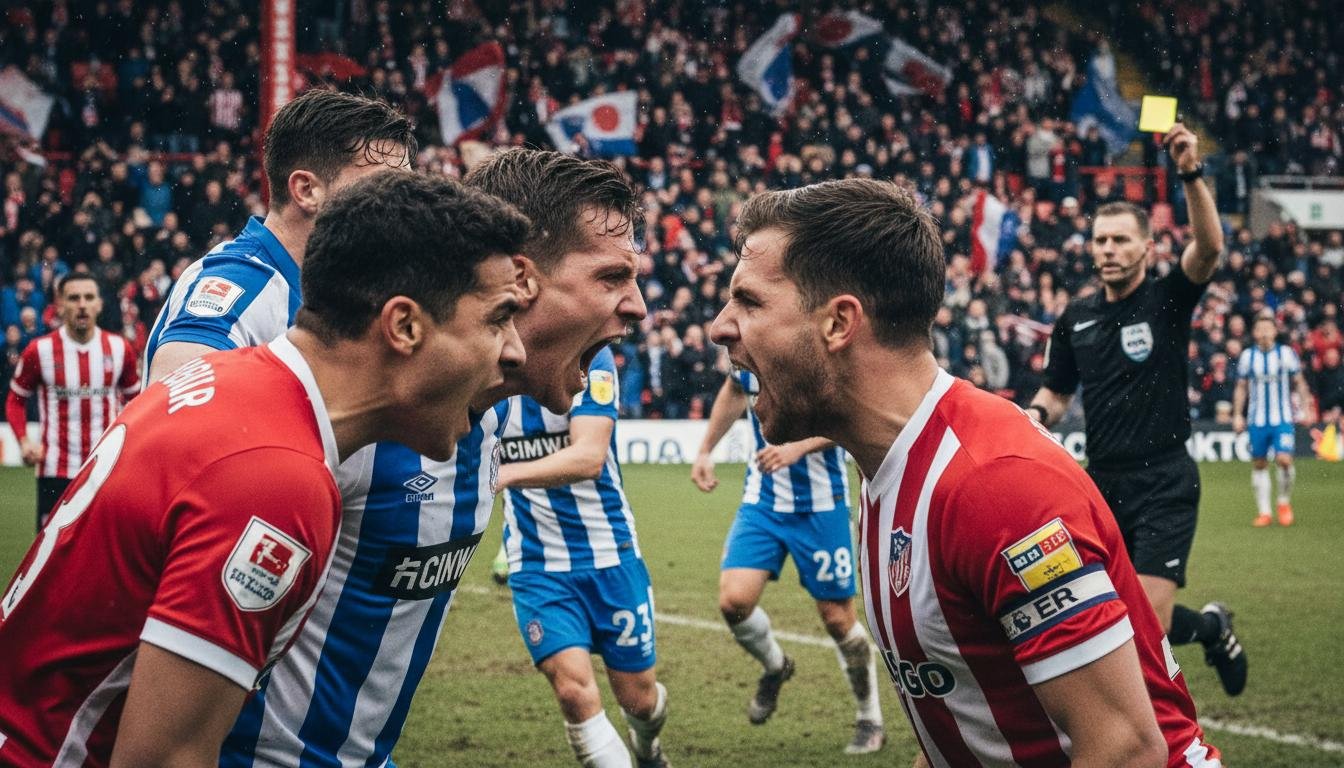
Derbies aren’t just about two teams on the pitch; they’re about history, local pride, and often, elevated referee scrutiny. Players are more likely to engage in confrontations and the crowd can sway tempo and decision-making, which tends to translate into more fouls, stoppages, and disciplinary actions.
That intensity can also produce contradictory outcomes: some derbies open up into chaotic, high-scoring affairs, while others become cagey, defensive duels. Recognizing which pattern a specific rivalry tends to follow is the first task for any serious bettor.
Market behavior and pre-match research
Bookmakers price derbies differently. Odds and cards/totals lines often move as the market absorbs news about injuries, team selection, and crowd conditions. Watching early lines and sharp money flow can reveal where professional bettors are stacking on a scenario.
Quality pre-match research combines head-to-head trends, referee tendencies, recent disciplinary records, and tactical matchups. Use reliable data providers like FBref and Understat to check team xG numbers and defensive styles, and consult official regulation sources for card definitions when needed.
Cards: how to approach yellow and red markets
Derbies generally produce more cards, but the signal strength varies by rivalry and referee. Some referees have reputations for card-heavy control while others prefer verbal management; these tendencies show up clearly in referee match logs.
For cards markets, focus on three things: referee stats, historical rivalry card averages, and game context. If a referee averages a high number of cards and both teams are high on fouls per 90, a “over” on total cards can be a value play, especially when the line looks soft.
Practical rules for card betting
Avoid blind betting for every derby. Instead, look for converging signals: a card-prone referee, heated pre-match rhetoric, and key players who frequently receive bookings. These combined increase the probability that the card total will clear the bookmaker’s line.
In my own experience, a midweek city derby with a referee known for strict control produced predictable edges — I sized stakes conservatively, and the win rate improved once I filtered out neutral referees and low-stakes fixtures.
Totals: when to back over or under goals
Goal markets in derbies are tricky because psychological factors can both stifle and spur goal-scoring. A rivalry with a history of tight scorelines suggests backing under totals, while violent, open rivalries often favor over bets.
Look beyond raw goal averages. Consider changes in personnel (e.g., missing a creative midfielder), weather, and tactical setups. A defensive manager under pressure in a derby may park the bus, pushing the total toward unders even if general form suggested overs.
Indicators for totals
Key indicators include recent xG per match for both teams, shots on target frequency, and the importance of the fixture in the season context. Early-season derbies or cups with knockout implications often see more conservative tactics, nudging totals down.
When markets misprice totals relative to these indicators, there’s value. For instance, if Understat shows both teams have low xG conceded but bookmakers still set a high over/under, a calculated under bet might be appropriate.
Draws: exploiting the oddball market
Derbies frequently produce draws because evenly matched rivals fight more for not losing than for winning. That psychological conservatism raises the value of the draw market in many rivalries, especially mid-table or balanced top-flight contests.
To bet draws effectively, combine match context (must-not-lose scenarios), defensive metrics, and live match flow. In-play, if the game is scrappy with few clear chances and possession is fragmented, draw odds can drift profitably.
When to avoid draw bets
If one side needs a win for survival or title pressure and historically pushes forward in derbies, avoiding the draw market is wise. Similarly, derbies known for open play — where both sides attack despite the risk — are poor places to hunt for draws.
Personal note: a late-season derby where one team needed three points to stay up offered attractive draw odds; however, pre-match lineup and the opponent’s attack-minded selection invalidated the draw edge, and I skipped a tempting but ultimately mispriced market.
In-play tactics and red flags
Derbies are prime territory for live trading because early flashpoints and cards can swing totals and the probability of a draw. Watching for an early booking, injuries, or a referee taking control can inform quick decisions to hedge or increase exposure.
Red flags include disproportionate market moves without clear reason, heavy bet limits on specific markets, or abrupt odds shortening that suggests insider information. In those cases, step back — liquidity and fairness matter as much as edge.
Bankroll management and staking
Volatility in derby betting demands disciplined bankroll rules. Consider reducing stake size relative to your normal limit for single-match derbies, or use smaller flat stakes across a series of signals instead of large concentrated bets.
Model staking on identified edges rather than gut feelings. I use smaller Kelly fractions on derbies because the variance is higher; it keeps the bankroll from swings that erode long-term decision quality.
Quick checklist and sample signals
Below is a compact table you can use before placing a derby bet. It’s a practical checklist, not a guarantee — combine it with live observation and your own limits.
| Signal | Market | Suggested action |
|---|---|---|
| Referee averages >4.5 cards per match | Cards over/under | Consider small over bet if teams have high foul rates |
| Both teams low xG, defensive setups | Totals | Back under totals or low-scoring handicaps |
| Evenly matched, low scoring, must-not-lose context | Draw | Value on draw pre-match or in-play if match is cautious |
Ethics, resources, and further reading
Betting derbies is exciting but carries higher emotional stakes; keep responsible gambling practices front and center. Set limits, avoid chasing losses, and use official resources if you feel the urge to step back.
For deeper reading and data, rely on official rulebooks and reputable stats providers. The IFAB Laws of the Game clarify disciplinary procedures, while FBref and Understat give reliable team and player metrics for objective analysis.
Derbies will always surprise us — and that’s part of their appeal. With careful research, disciplined staking, and attention to referee and tactical signals, you can tilt the odds in your favor without turning a passionate fixture into reckless gambling.