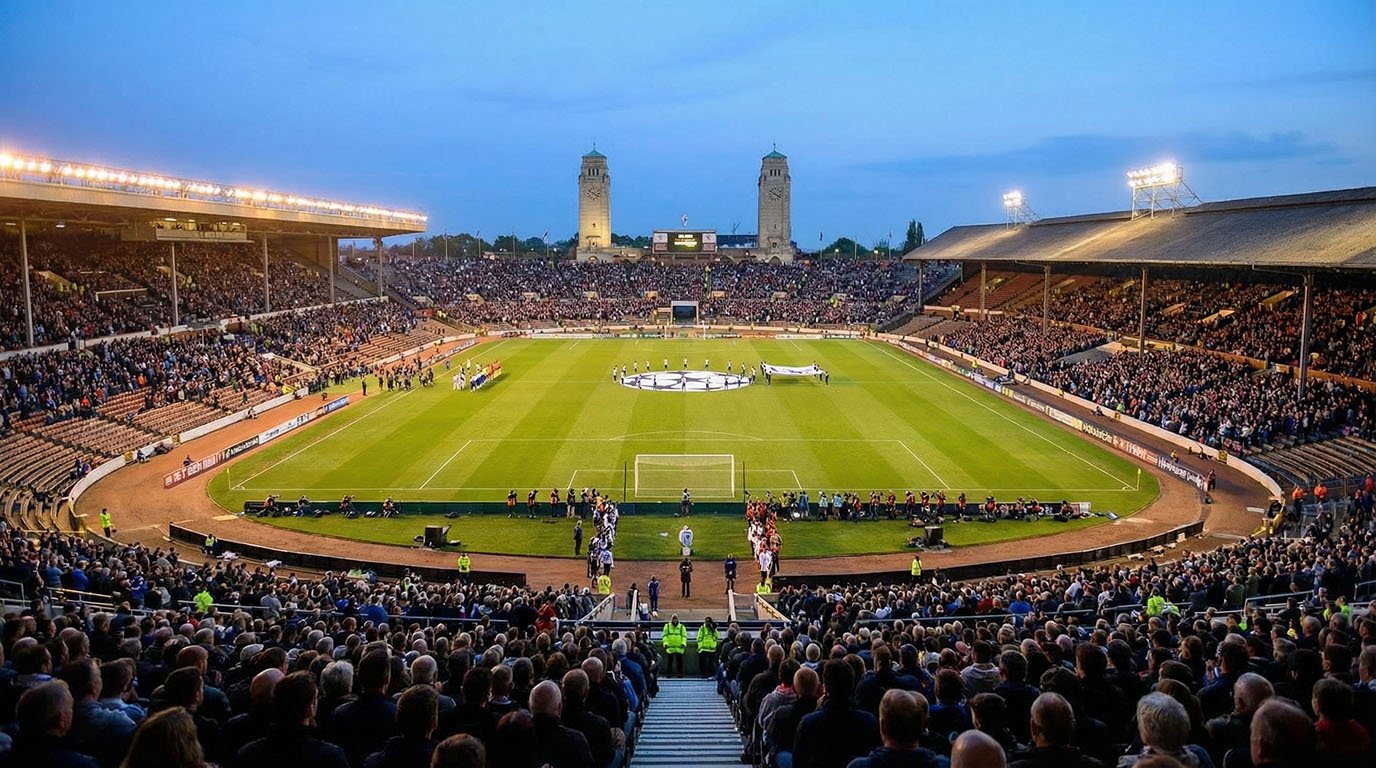
Stadium surfaces are far more than cosmetic: they change how the ball moves, how players cut, and how games unfold. For anyone wagering on football, whether professional or college, those changes can tilt probabilities in subtle but exploitable ways. This article walks through the practical implications of unique playing surfaces, the evidence on injury and performance, and how disciplined bettors can turn a surface-aware approach into an edge.
Why playing surface matters to bettors
A surface affects three bookmaker inputs: scoring environment, player availability, and variance. Faster surfaces often produce quicker ball roll and higher-scoring outcomes, while slower or irregular surfaces can reduce effective speed and create more stoppages. Bettors who treat every stadium as interchangeable miss a layer of context that markets sometimes undervalue.
Home teams that have trained and recruited for a specific surface gain preparation advantages that show up in split records. Visiting teams, especially those changing from grass to synthetic or vice versa, can take a measurable hit in performance. That preparation gap is predictable and, when quantified, tradable.
Types of unique surfaces and how they change play
Not all “turf” is the same. Natural grass, hybrid systems, third-generation (3G) synthetic turf, and extreme examples like dyed “blue turf” or heavily sand-dressed fields each interact with ball physics and player traction in distinct ways. Understanding those differences is the first step toward a surface-informed betting strategy.
| Surface | Typical effects on play | Where commonly found |
|---|---|---|
| Natural grass | Variable roll, softer landings, slower ball speed when wet | Most professional stadiums and older college fields |
| Hybrid grass | Comfort of grass with added durability; consistent ball behavior | Modern European and some MLS stadiums |
| Synthetic turf (3G) | Faster roll, firmer surface, more predictable bounce | Indoor stadiums, some college facilities |
Blue turf or visually distinct surfaces (Boise State’s famous field is an example in college football) are essentially synthetic systems with the same physical characteristics as other 3G pitches. The color affects perception more than physics, but the maintenance profile and composition of those fields still matter to traction and ball behavior.
Injury risk and player availability: what the research says
The literature on injury rates across surfaces is nuanced. Several peer-reviewed studies and systematic reviews conclude that differences exist for specific injury types but that overall risk comparisons depend on sport, level of play, and how “injury” is defined. Simply stating that turf is more dangerous would be an oversimplification.
Organizations such as FIFA and major sports medicine journals have published guidance and reviews noting mixed findings. FIFA’s Quality Programme for Football Turf emphasizes standards that modern synthetic fields must meet; that standardization reduces variability but does not erase it. Bettors should track injury reports and consider whether a team fields athletes with prior surface-related issues (e.g., recurrent ankle sprains) when evaluating lines.
How surfaces influence betting markets: where edges appear
Bookmakers price in surface to some degree, but markets can lag on subtler trends like quarterback footwork on turf, kicker plant-foot concerns, or a wide receiver’s ability to make sharp cuts on a faster surface. These micro-trends create edges for bettors who do the homework.
- Totals (over/under): faster, dry turf often correlates with higher scoring; consider adjusting season-long models for stadium-specific pace.
- Player props: running back yards and receptions can move when shoes and turf favor speed or impede lateral movement.
- In-play markets: turnovers and slips can spike in wet natural grass or poorly maintained hybrid fields—live bettors can profit if they watch early indicators.
Edges are most consistent where sample sizes are trackable. For example, a college program that plays 60% of its snaps on artificial turf should show measurable splits versus opponents that play mostly on grass. Those splits are rarely priced perfectly by casual markets.
Practical models and the data worth tracking
To make practical use of surface effects, build models that include stadium-level features rather than team-only inputs. Useful variables include surface type, surface age, historical team performance by surface, recent maintenance reports, and weather exposure. Each adds explanatory power to expected points and variance estimates.
Track at least two seasons of surface-specific splits before trusting a pattern. Because coaching changes, roster turnover, and field renovations change context rapidly, weight recent data more heavily. I recommend maintaining a simple spreadsheet with columns for surface, opponent, outcome, point differential, turnovers, and key player snaps to identify persistent trends.
Special teams and return game: an overlooked angle
Special teams can be disproportionately affected by surface. Kick returns and punts rely on timing, bounce predictability, and tack—so a surface that produces a low, skidding bounce can convert what was a routine fair catch into a returnable ball. Bettors who favor or fade teams based on special-teams strength should factor surface when evaluating return-yard props and field-position assumptions.
For instance, a return specialist with excellent top-end speed but limited cutting ability may underperform on a slippery grass field. Conversely, a shifty returner can shine on consistent, grippy turf. Those matchup nuances often slip under the radar of general market pricing and can be exploited by attentive players.
Case studies and a bit of author experience
In my own tracking of seasonal college lines, I noticed an early trend: teams that trained on turf but played an early-season grass road game often failed to cover spreads more frequently than expected. I started flagging those matchups as “surface transition” bets and achieved a modest positive return over a season when combined with bankroll discipline.
Another observation: dome stadiums with artificial surfaces tend to produce more stable totals since weather is removed as a factor. Betting totals in domes requires different season-long adjustments than open-air venues; I shifted my projected points model upward by an empirically determined factor after isolating dome games for two seasons.
Risk management and in-play tactics around surfaces
Adjust bet sizing for uncertainty. Surface effects add a form of non-systematic risk—sometimes a fresh rainfall can reverse a field advantage in a game hour. Use smaller stakes when surface creates high variance and increase size when a clear, repeatable surface edge exists.
In-play, watch how the ball behaves in the opening 10 minutes. If returns are poor, footing is yielding more slips than expected, or the ball’s bounce is erratic, those are red flags to adjust live exposure. Successful live bettors treat those opening minutes as high-value scouting time before committing larger stakes.
Checklist for a surface-aware wager
Before placing a bet where surface might matter, run through a quick checklist: Is this a surface transition for either team? Are key players known to struggle or thrive on this kind of turf? What does the injury report suggest? Is the game in a dome or exposed to weather? Does recent data show meaningful splits for either team by surface?
If more than one checklist item flags, require a stronger edge to place a larger wager. Consistently applying a checklist reduces emotional bets and forces discipline when the market feels tempting but the surface story is weak.
Surface-driven edges are rarely single-handed winners; they work best when combined with solid game-level analysis, situational factors, and strict bankroll rules. The turf effect won’t beat you alone, but it will tilt the odds enough to reward bettors who pay attention.
Sources and experts
- FIFA — Football turf and quality programme: https://www.fifa.com/what-we-do/football-technology/football-turf/
- PubMed search results for artificial turf and injury studies: https://pubmed.ncbi.nlm.nih.gov/?term=artificial+turf+injury
- British Journal of Sports Medicine — research repository and reviews on playing surface topics: https://bjsm.bmj.com/
- NFL operations and playing surfaces information (stadium features and standards): https://operations.nfl.com/