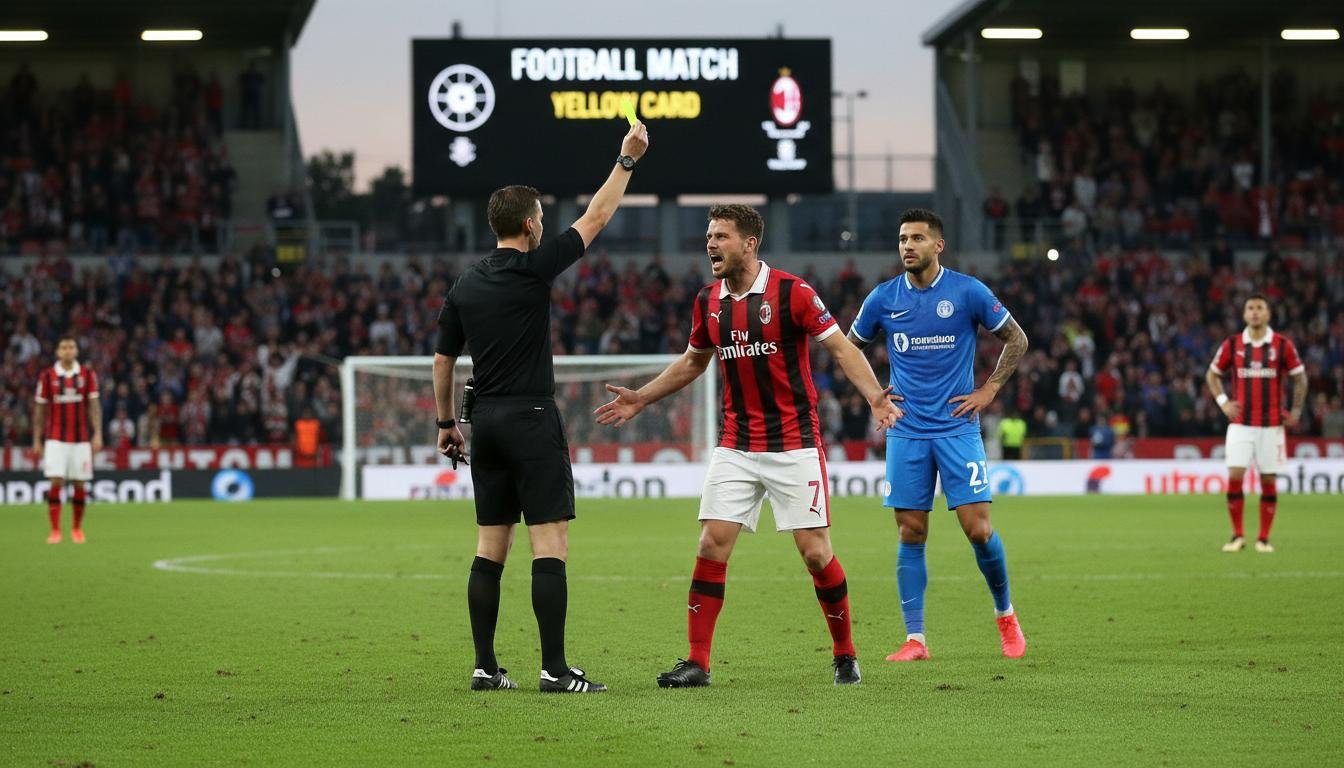
Betting on whether a specific player will receive a yellow or red card is one of those niche markets that rewards preparation more than luck. It’s compact, often offers good value relative to larger markets, and reacts sharply to in-game events. This article lays out a practical, data-driven approach to player card betting that you can apply before kickoff and during matches.
Understanding the market
Player booking markets typically let you bet on a player receiving a yellow card, a red card, or any card (yellow or red). Odds reflect bookmaker liability, public opinion, and basic stats like past bookings and minutes played. The market moves with team news, referee appointments, and live incidents.
Bookmakers treat these bets like micro-outcomes: they’re sensitive to small changes and can offer attractive odds if you spot overlooked information. That sensitivity makes disciplined research and quick decision-making valuable.
Key stats to analyze
Not all statistics carry the same predictive weight for cards. Fouls committed, fouls conceded by the opponent, tackles per 90, and historical yellow-card rates per 90 minutes are the most directly relevant.
Contextual metrics — like team aggression (fouls per match), aerial duel frequency, and the player’s minutes per card — help refine those raw numbers. Combine individual stats with team-level tendencies to avoid false positives.
Quick reference table
| Metric | Why it matters | Threshold to watch |
|---|---|---|
| Fouls per 90 | Direct proxy for card risk | > 2.0 |
| Yellow cards per 90 | Historical booking frequency | > 0.15 |
| Tackles per 90 | Aggressive engagement increases risk | > 2.5 |
| Referee cards per match | Referee strictness affects outcomes | > 3.5 |
Player selection: traits that matter
Certain player types are more likely to pick up cards. Defensive midfielders, fullbacks involved in repeated challenges, and hard-tackling forwards who press high are all higher risk. Conversely, creative midfielders and deep-lying defenders who avoid risky lunges tend to be safer bets against.
Beyond position, consider disciplinary history. Players who get booked early in matches (first 30 minutes) often follow match patterns or tactical roles that expose them to recurring fouls. Also factor in temperament — players with a history of dissent or simulations have amplified risk in heated matches.
Match context and dynamics
Derbies, relegation six-pointers, and knockout fixtures produce more cards than low-stakes league games. The psychological intensity raises physicality and dissent, both leading to bookings. Always weigh the competition’s stakes into your decision.
Weather and pitch conditions also influence fouling: heavy pitches reduce slick passing and increase mistimed challenges. Travel fatigue and congested schedules (midweek fixtures) can increase aggressive challenges too — especially late in the game when fatigue causes sloppy tackles.
Referee profiling
Who’s officiating matters as much as who’s playing. Some referees hand out cards liberally; others prefer talking players down. Track the appointed official’s cards per game, tendency to give yellows for dissent, and how they manage physical contests.
Referee consistency across leagues and seasons is surprisingly reliable, so building a small database of referees you follow will pay off. Combine that with linesman and VAR tendencies: referees who frequently consult VAR for fouls or show more red cards increase player-booking probability.
Pre-game scouting routine
Develop a short checklist to run through before placing a bet: player minutes (expected to start), current bookings (suspension risk), head-to-head intensity, referee card rate, and any team news affecting tactics. Keep the checklist tight so you can act quickly when lines change.
I keep a running sheet with the five metrics in the table above. When three or more exceed my thresholds and the odds offer positive expected value, I consider a small wager. This disciplined approach has been more effective than random picks.
In-play opportunities
Live betting opens the most profitable windows. A hard foul in minute 15 that goes unpunished may increase the chance of a later card for that player or a retaliating opponent. Similarly, substitutions that introduce aggressive players raise immediate card risk.
When betting in-play, watch pitch-side behavior: a player already cautioned will often play more cautiously, reducing card probability. Conversely, a player shown nothing but engaging in cynical fouls after conceding a soft penalty becomes a smart in-play target.
Bankroll management and staking
Micro-markets are volatile. Use flat stakes or a small percentage of your bankroll per bet to avoid variance shocks. I recommend staking no more than 1–2% of your bankroll on individual player-card bets unless you have a substantial edge.
Value is the priority. If your research suggests a 30% chance of a yellow and the market implies 20%, that represents real edge worth pursuing. Don’t chase losses; disciplined sizing keeps you in the game long enough for your method to show results.
Common mistakes to avoid
Relying solely on reputation is dangerous. A player known for physical play might adapt tactics under a new manager. Likewise, overreacting to one-off incidents (a single bad tackle) without considering season-long patterns leads to poor decisions.
A second trap is ignoring substitution patterns. Players on cards are often substituted late to avoid suspension or tactical exposure; if a manager tends to do this, the booking probability for at-risk players drops significantly.
Tools and data sources
Use Opta or StatsBomb-powered stats for fouls, tackles, and card rates. Many betting platforms display referee data and historical bookings, which is handy for quick checks. Combine these with live match feeds, social-insider team news, and, when possible, player interviews that hint at tactical roles.
Automated alerts can save time: set notifications for starting lineups and referee appointments. That early information often triggers the biggest pre-match value swings.
Real-life example
In a mid-season derby I tracked, a defensive midfielder with a high tackle rate was drafted into the lineup after a suspension. The appointed referee averaged 4.2 cards per match and had a history of booking midfield disruptors early. I placed a small pre-match wager at +220 for any card. The game turned physical, the player was cautioned in the 28th minute, and the bet cashed quickly.
That bet combined player profile, referee tendencies, and match context — the same elements you should prioritize. It wasn’t a blind punt; it was a measured position with clear, documented reasons.
Responsible betting and final advice
Card markets can be tempting because of their volatility, but they’re still gambling. Set limits, never stake money you can’t afford to lose, and recognize that streaks of both wins and losses are normal. Use the strategy as a disciplined supplement to broader betting plans.
When you combine consistent data checks, referee profiling, and sensible staking, player-card betting becomes less of a lottery and more of an edge-driven investment. Keep learning, record your results, and refine your thresholds as you gather more outcomes.